Soap Bars and Syndet Bars: Understanding the Formulation Difference
Understand how soap and syndet bars differ, why format and foam do not define gentleness and when dry or eczema-prone skin needs specific washing advice.
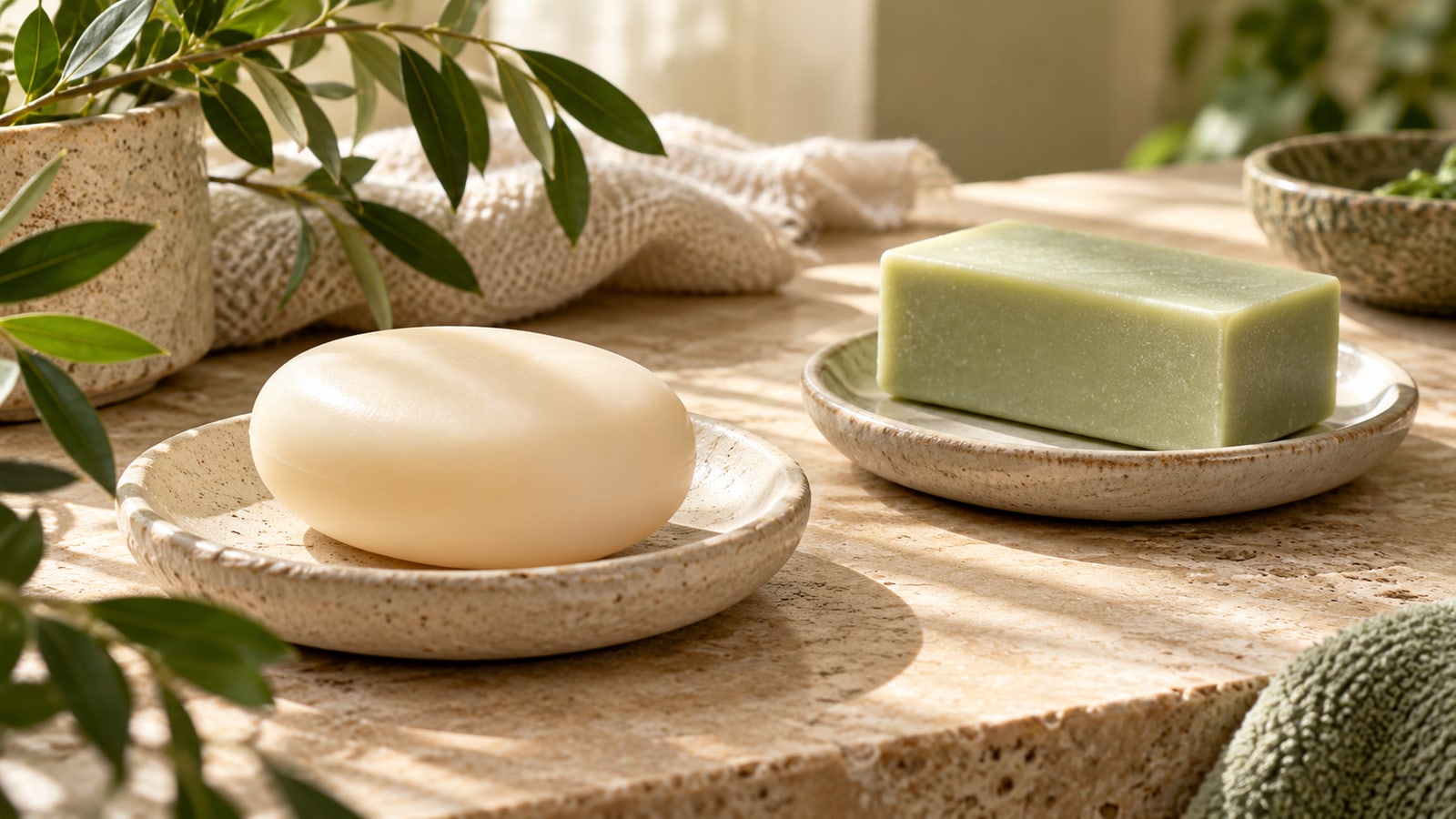
A solid cleansing bar is not necessarily soap in the traditional chemical sense. Some bars use soap, some use synthetic detergent ingredients called syndets, and some combine different cleansing ingredients. The shape of the product cannot tell you how it will behave on your skin.
Understanding that distinction can make labels easier to read, particularly if your skin feels dry or uncomfortable after washing. It does not mean that every soap is unsuitable or that every syndet will suit every person.
Key takeaways
- Soap and syndet describe formulation differences, not simply bar versus liquid.
- Traditional soap is alkaline; syndets can be formulated differently.
- The whole formula and your skin’s response matter.
- Foam does not reliably measure cleaning quality or gentleness.
- People with eczema or persistent irritation may need specific washing advice.
On this page
- What traditional soap means
- What syndet means
- Do not decide by shape alone
- Use pH as one piece of information
- Pay attention to your washing experience
- Formulation before format
- Get specific advice for eczema or very dry skin
- Consider practical storage and use
- Know when to ask for help
- Common questions
- Sources and further reading
What traditional soap means
DermNet describes soap as being made by reacting fats or oils with an alkali, producing salts of fatty acids. Those ingredients help lift material from the skin so it can be washed away.
Traditional soap is alkaline. This is one reason it can feel different from other cleansing formulations, particularly on dry or sensitive skin. Adding a botanical name or presenting a bar as handmade does not remove that chemical distinction.
There is no need to view this as a contest between natural and synthetic ingredients. The useful issue is whether the finished product performs its intended task comfortably in your routine.
What syndet means
Syndet is short for synthetic detergent. These cleansing ingredients can be used in bars or liquids and can be formulated at a different pH from traditional soap. DermNet describes advantages that syndet formulations may offer for dry or sensitive skin.
The word “synthetic” does not itself establish danger, and the word “soap-free” does not guarantee that a product cannot irritate. Fragrance, other ingredients and the overall formulation still matter.
A 2022 review of soaps and syndets discusses how surfactant properties and the complete formulation influence skin effects. That supports considering the product as a whole rather than choosing by one reassuring word on the front.
Do not decide by shape alone
A rectangular bar may be a syndet, and a liquid wash may contain soap or other surfactants. Some products use a mixture. Read the description and ingredient information rather than assuming solid means harsh or liquid means gentle.
If the distinction matters because you have been advised to avoid soap, ask a pharmacist or the manufacturer about a specific product. An unclear ingredient list should not force you to guess.
Our guide to reading an INCI list explains how ingredient names can help while also showing the limits of judging a formula from a list alone.
| Feature | What it can tell you | What it cannot prove |
|---|---|---|
| Soap or syndet description | The broad cleansing system | That the whole formula will suit you |
| Solid or liquid format | How the product is handled and stored | Its exact pH or irritation potential |
| Fragrance information | Whether relevant ingredients may be present | That every other ingredient is tolerated |
| Amount of foam | A sensory feature of the formula | That more foam means better cleansing |
Use pH as one piece of information
The skin surface is normally mildly acidic, and the pH of a cleanser is relevant to how it interacts with the skin. However, a pH claim does not describe every property of the formula or the way a person will use it.
A product with an appealing pH claim may still contain an ingredient you react to. Conversely, a single uncomfortable experience does not establish that all products in a broad category will behave identically.
Do not try to correct a cleanser’s pH by adding acids or mixing household ingredients into it. Choose an appropriate finished product or ask for professional advice rather than altering its formulation at home.
Pay attention to your washing experience
Notice whether the skin feels comfortable after washing and whether dryness, itching or soreness develops. Also consider water temperature, washing frequency and how much rubbing is involved. The product is only one part of the experience.
If you change a cleanser, keep the rest of the routine relatively stable so the result is easier to interpret. A new bar, scrub and active serum introduced together make it difficult to identify which change mattered.
Our guide to contact dermatitis explains why persistent irritation and possible allergy deserve assessment rather than repeated product experiments.
Formulation before format
- Identify: Check whether the product is soap, syndet or a mixture.
- Read: Review directions, fragrance and relevant warnings.
- Use: Keep the technique gentle and appropriate.
- Review: Judge comfort and seek advice for ongoing symptoms.
Get specific advice for eczema or very dry skin
NHS guidance explains that ordinary soaps and shower gels can worsen dry skin and eczema, and discusses using suitable emollients as soap substitutes. An emollient washing plan is not necessarily the same thing as choosing any shop product labelled soap-free.
If you have an established condition, follow the instructions from your clinician or pharmacist. Ask which product is suitable for washing and how it fits with leave-on treatment. Do not assume that a product you use on one area is suitable for every body site.
Our guide to eczema care provides wider context. Ongoing symptoms may need treatment review rather than another round of cleanser shopping.
Consider practical storage and use
Choose a format you can keep clean and use easily. Follow the manufacturer’s storage directions, including allowing a bar to drain if advised. Avoid leaving a product in an unlabelled container where its purpose or age becomes unclear.
If several people use the bathroom, keep personal products identifiable and avoid sharing applicators. A convenient format should support ordinary hygiene rather than create extra uncertainty about what belongs to whom.
Low foam does not mean that you must use much more product. NHS guidance notes that emollient soap substitutes can clean without the foam associated with ordinary soap. Follow the intended method and amount instead of judging performance by bubbles.
Know when to ask for help
If washing repeatedly causes stinging, a rash or worsening dryness, stop the suspected product and seek advice as appropriate. Bring the packaging or ingredient list and explain the timing of symptoms.
Do not assume that an expensive bar, a familiar family brand or a sensitive-skin claim guarantees tolerance. A useful choice is one that meets your needs and fits any medical advice, with a routine you can maintain comfortably.
Common questions
Is every cleansing bar soap?
No. Some bars use syndets or a mixture of cleansing ingredients.
Are all liquid cleansers gentler?
No. Format alone does not establish the properties of the formulation.
Does synthetic mean harmful?
No. Assess the finished product and relevant evidence rather than the word alone.
Does soap-free mean allergy-proof?
No. Other ingredients can still cause reactions.
Is pH the only feature that matters?
No. Formulation, technique and individual tolerance also matter.
Should I add acid to make a soap milder?
No. Do not reformulate a product at home.
Can a low-foam product clean effectively?
Yes. Foam is not a reliable measure of cleaning quality.
What if I have eczema?
Ask about an appropriate washing and emollient plan rather than relying on a generic label.
Sources and further reading
Sources checked 22 October 2026. Formulation categories do not establish individual tolerance or a universal product ranking.
Keep exploring
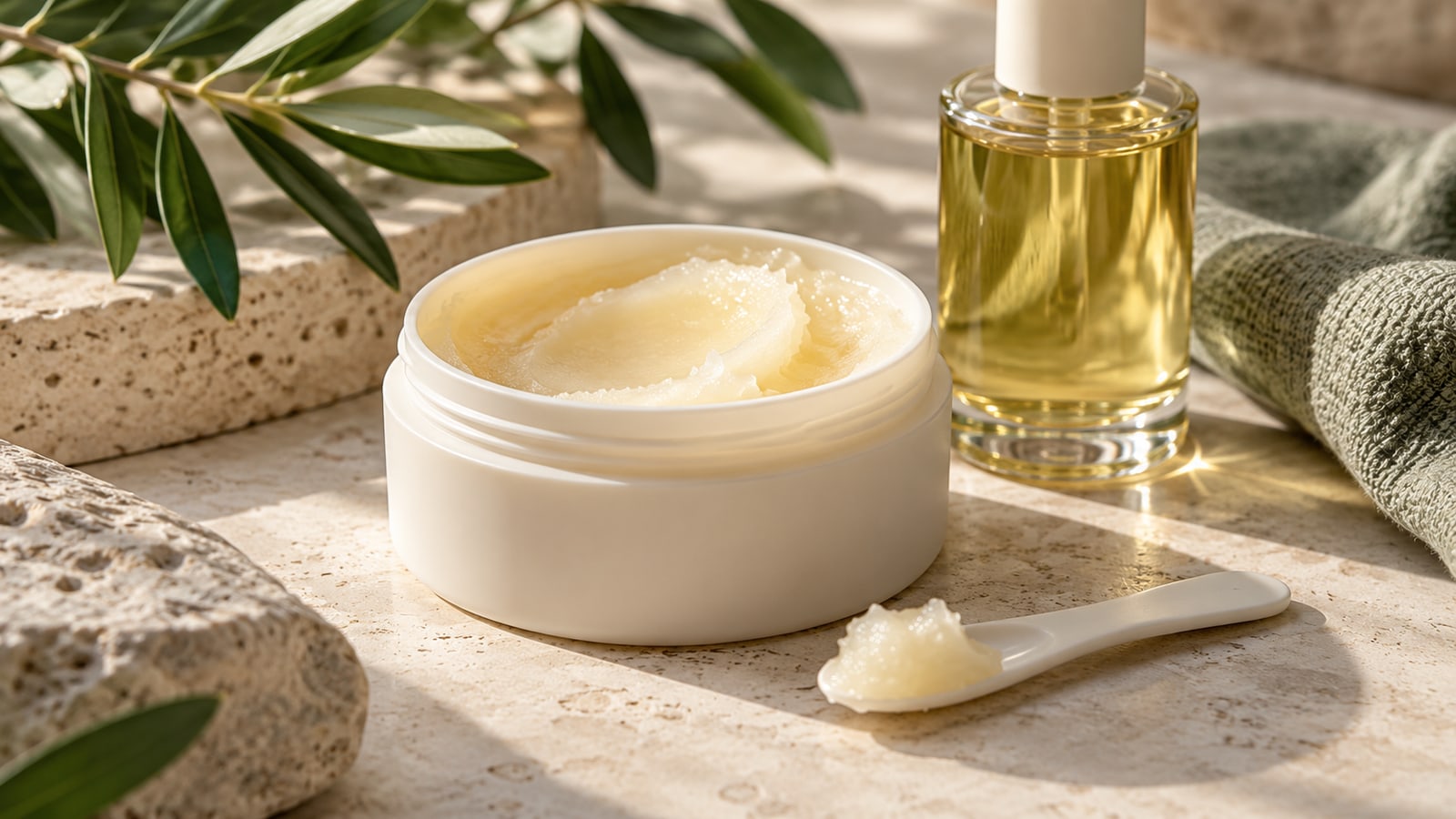
Cleansing Balms and Oils: Emulsifying, Rinsing and Product Residue
Use cleansing balms and oils as intended by checking dry or wet application, emulsifying, rinsing and residue without prolonged rubbing.

Double Cleansing: When a Second Cleanse May Be Useful
Assess whether a second cleanse adds value to your routine, with practical guidance on resistant make-up, product choice and avoiding over-washing.
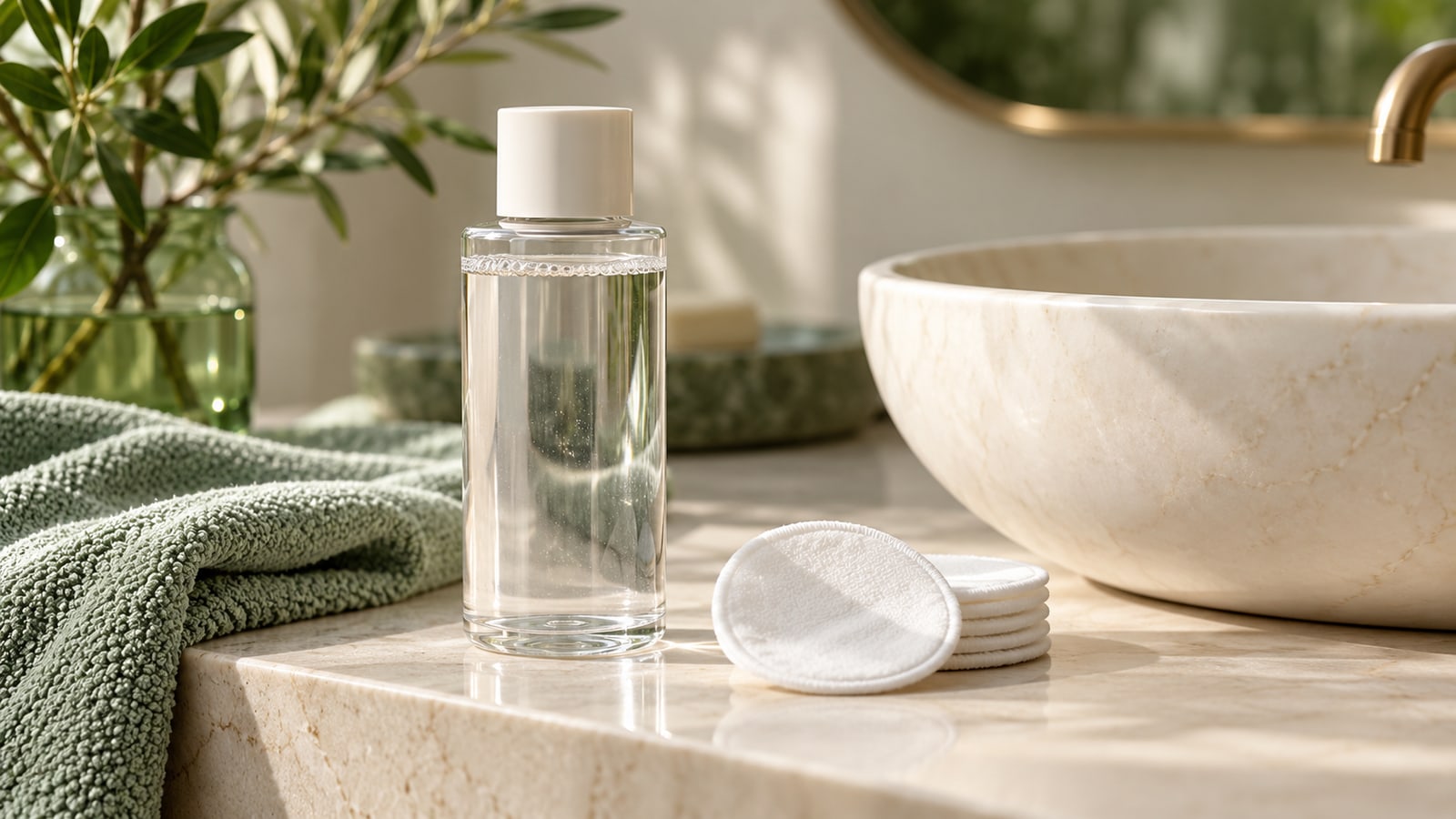
Micellar Water: Should You Rinse It Off After Cleansing?
Decide whether to rinse micellar water by checking the product directions, make-up removal needs, residue and skin comfort rather than a universal rule.
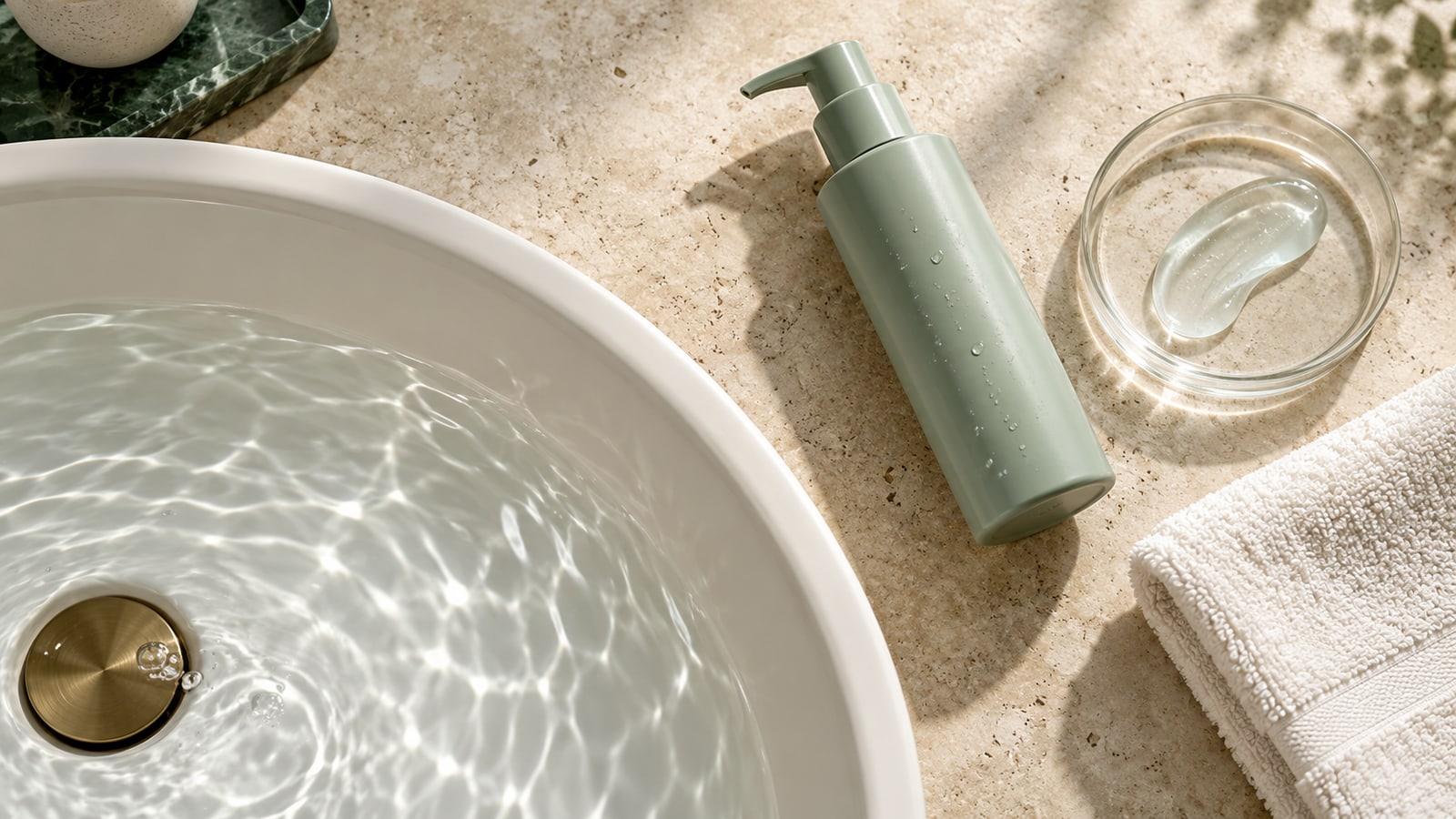
How to Choose a Facial Cleanser for Your Skin’s Needs
Choose a facial cleanser by its purpose, instructions and comfort, with practical checks for labels, budget and your existing skincare.