Double Cleansing: When a Second Cleanse May Be Useful
Assess whether a second cleanse adds value to your routine, with practical guidance on resistant make-up, product choice and avoiding over-washing.

Double cleansing usually means using one cleanser to remove make-up or oily residue, then following it with another cleanser. It can be a useful approach for some routines, but two steps are not automatically better than one effective, comfortable wash.
The decision should begin with what you need to remove and how your skin responds. This guide separates a practical make-up-removal strategy from the idea that every face needs a compulsory second cleanse.
Key takeaways
- Double cleansing describes two steps within one cleansing session.
- It may help with resistant make-up or products that one cleanser struggles to remove.
- Many people do not need the extra step.
- Tightness, soreness and repeated rubbing are reasons to reassess.
- Keep cleansing separate from a need to exfoliate or treat acne.
On this page
- Understand what the term describes
- Identify what one cleanse is missing
- Recognise that the extra step is optional
- Choose the whole formulation, not a category promise
- Keep the technique gentle
- Task first, steps second
- Notice when more cleansing is becoming a problem
- Make a sustainable routine
- Common questions
- Sources and further reading
Understand what the term describes
Cleveland Clinic describes the common method as an oil-based cleanser followed by a water-based cleanser. The first step is intended to help remove materials such as resistant cosmetics, while the second completes cleansing.
This is different from washing in the morning and again at night. It also does not require two products from the same brand or a particular package sold as a system. The useful question is whether the chosen steps solve a real removal problem.
Our facial-cleanser guide explains how to consider the product’s intended job and removal directions.
Identify what one cleanse is missing
Consider a normal evening rather than the most elaborate routine you have seen online. Do you wear long-wear foundation, resistant eye make-up or several layers of sunscreen? Does your current cleanser remove them without repeated scrubbing?
If a product remains, first check whether you are using the cleanser as directed. Some formulas need dry skin at the start, some need water and some require a particular removal method. An instruction mismatch may explain the problem without requiring another purchase.
If removal is already effective and your skin feels comfortable, an additional cleanser may add time and expense without an obvious benefit. There is no need to create a problem simply because a two-step routine is fashionable.
Recognise that the extra step is optional
Cleveland Clinic’s explanation says double cleansing is usually unnecessary and warns about over-washing. It identifies heavier or resistant make-up as a situation where another removal step can be helpful. That is a narrower claim than saying every sunscreen user must always cleanse twice.
You may use different routines on different days. A day with little on the skin and a day with substantial cosmetics need not end in an identical sequence. Consistency can mean responding sensibly to the task rather than rigidly repeating every step.
For a medical skin condition or prescribed treatment, ask the responsible clinician how cleansing should fit. A trend should not override an individual care plan.
| Situation | Question | Possible direction |
|---|---|---|
| One gentle cleanser works well | What would the second step add? | Keep one effective cleanse |
| Resistant make-up remains | Is the remover suited to that product? | Consider a targeted removal step |
| Skin feels tight afterwards | Are the products or technique too harsh? | Simplify and reassess |
| Several active cleansers are used | Am I combining cleansing with unnecessary treatment? | Review the routine with appropriate advice |
Choose the whole formulation, not a category promise
An oil-based cleanser is not automatically suitable for everyone, and a foaming cleanser is not automatically harsh. Product categories are broad. Ingredients, formulation, frequency and the way you use the product all contribute to the experience.
DermNet explains that surfactants influence cleansing, feel and rinsing. It also cautions that combining acne-oriented cleansers with leave-on acne products can lead to excessive dryness and irritation. More active ingredients are not required to make a second cleanse meaningful.
Our guide to fragrance and label claims can help if you are choosing products around known sensitivities. Avoid treating “natural” or “gentle” as proof that a reaction cannot occur.
Keep the technique gentle
The American Academy of Dermatology recommends a gentle, non-abrasive cleanser, lukewarm water and avoiding scrubbing. Those principles remain relevant when more than one product is used.
Follow the first product’s instructions, remove it as directed and then use the second only if it is needed. Do not prolong massage in the hope of extracting every pore or producing visible particles as evidence of success.
If a cosmetic requires repeated hard rubbing, reconsider the remover rather than increasing force. Eye make-up may need an appropriate dedicated product with its own precautions.
Task first, steps second
- Identify: What needs removing tonight?
- Check: Is the first cleanser being used correctly?
- Assess: Is residue left without causing irritation?
- Choose: Add a suitable step only when it serves a purpose.
Notice when more cleansing is becoming a problem
Persistent tightness, stinging, soreness or a new rash should not be interpreted as proof that the skin is finally clean. Pause unnecessary products and seek advice if symptoms persist or are concerning.
Do not automatically add a scrub or strong acid because the skin feels rough after washing. That may introduce another source of irritation. Our guide to over-exfoliation explains why cleansing and exfoliating should not be treated as interchangeable tasks.
Change one element at a time when troubleshooting a routine. For example, compare a simpler evening cleanse with your usual sequence while keeping other products stable, provided this does not conflict with medical advice.
Make a sustainable routine
Consider time, cost and the practical effort of washing applicators or cloths. A routine that is simple enough to follow consistently may be more useful than a complicated sequence you avoid when tired.
Keep products labelled and follow their opening and storage information. Avoid buying several new cleansers at once before you know whether the extra step is needed or comfortable.
The aim is clean, comfortable skin ready for the rest of your care. A squeaky feeling, a long massage or an impressive number of bottles is not a required outcome.
Common questions
Does double cleansing mean washing morning and night?
No. It usually means two cleansing steps in one session.
Does everyone need it?
No. One effective gentle cleanse is enough for many people.
Can it help with resistant make-up?
It may, if the products are appropriate and used as directed.
Must both products come from one brand?
No. Suitability and instructions matter more than matching packaging.
Should the second cleanser contain exfoliating acids?
Not automatically. Consider your existing treatments and tolerance.
Is tight skin a sign of better cleansing?
No. Persistent tightness or discomfort is a reason to reassess.
Can I use one step on lighter make-up days?
Yes, if it removes what is needed comfortably.
What if a rash develops?
Stop the suspected product and seek advice if symptoms persist or concern you.
Sources and further reading
Sources checked 22 October 2026. A second cleanse is presented as an optional removal strategy, not a universal treatment requirement.
Keep exploring
Micellar Water: Should You Rinse It Off After Cleansing?
Decide whether to rinse micellar water by checking the product directions, make-up removal needs, residue and skin comfort rather than a universal rule.
A Simple Skincare Routine: The Essentials Before You Add More Products
A practical starting point for cleansing, moisturising and sun protection, with room for your skin’s needs and your budget.
How to Choose a Facial Cleanser for Your Skin’s Needs
Choose a facial cleanser by its purpose, instructions and comfort, with practical checks for labels, budget and your existing skincare.
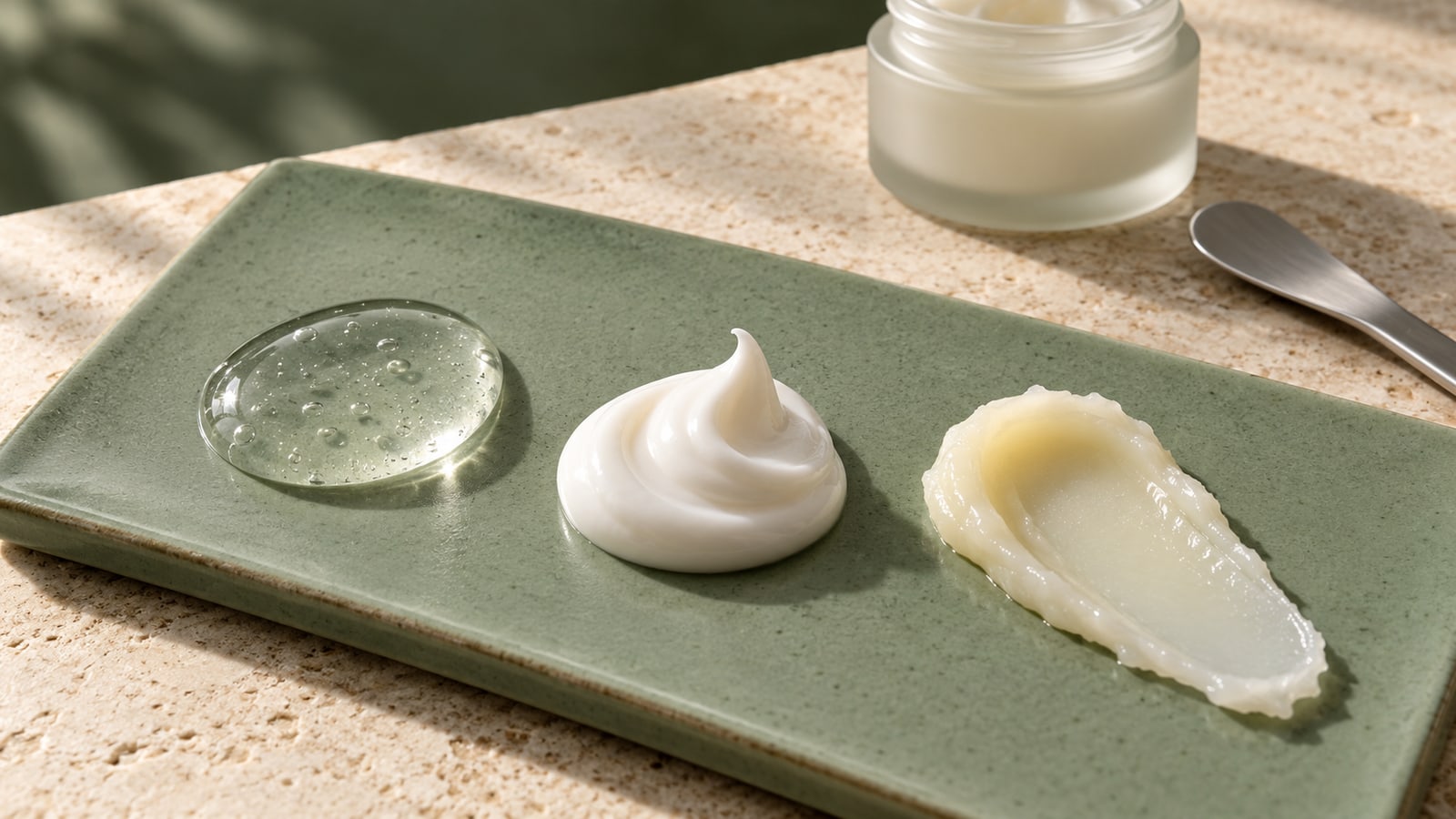
Humectants, Emollients and Occlusives: What a Moisturiser Actually Does
Understand the different jobs moisturiser ingredients perform and how to assess a finished product without buying unnecessary extra steps.