Hyaluronic Acid: What It Can and Cannot Do for Dry-Feeling Skin
Evaluate hyaluronic acid hydration claims, understand the limits of a topical trial and decide whether another product serves a useful purpose.
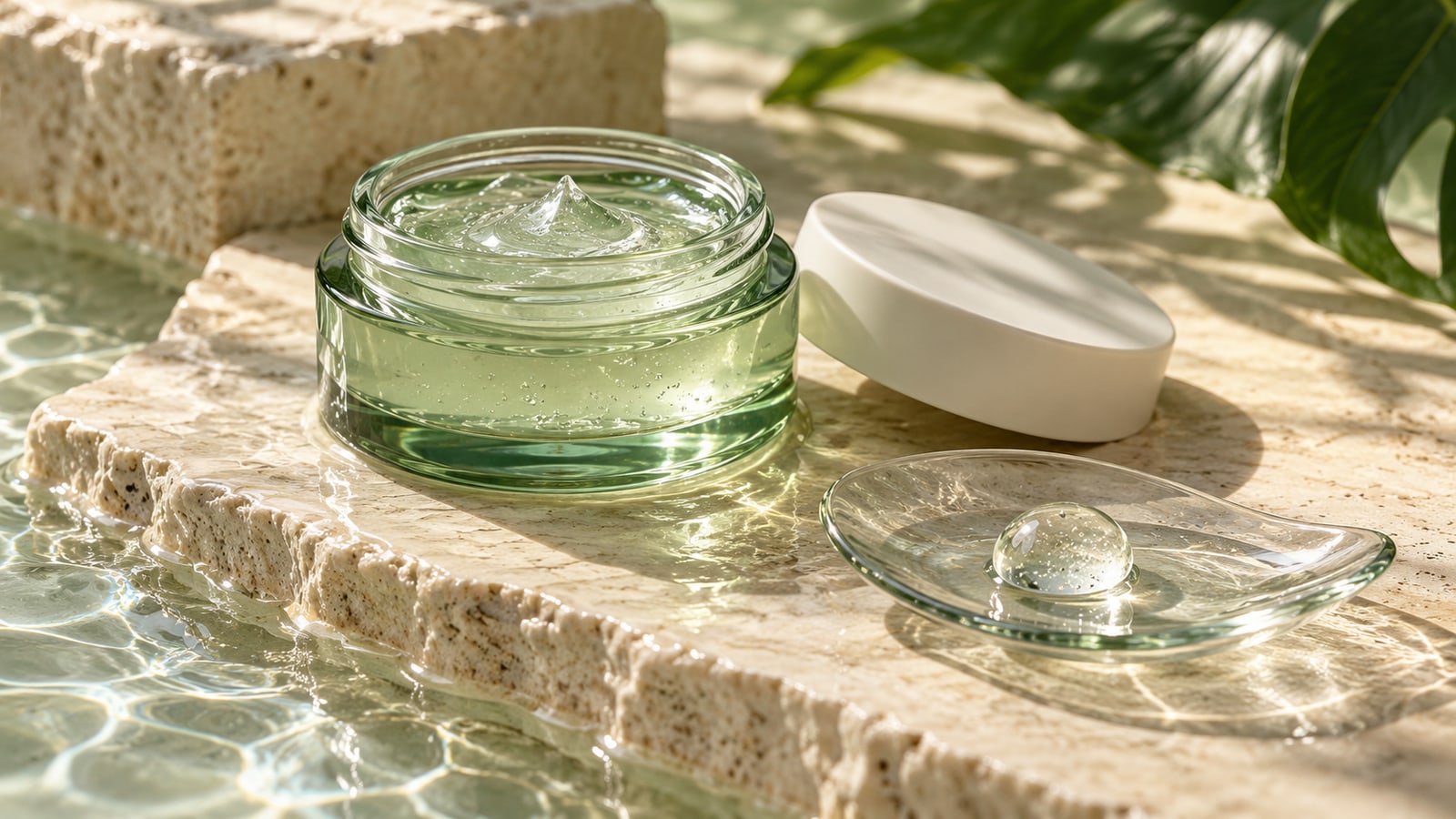
Hyaluronic acid is a familiar name on moisturisers and serums, often accompanied by promises of plumper-looking skin. For someone whose face feels tight after washing, the useful question is simpler: will this particular product make a practical difference to comfort?
A moisturising ingredient can be helpful without being essential in every routine. This guide considers topical skincare for adults, explains one relevant clinical study and shows how to evaluate a product without treating a fashionable ingredient as a complete treatment plan.
Key takeaways
- Hyaluronic acid is used in skincare for its water-binding properties.
- Evidence for a tested cream does not validate every serum containing the ingredient.
- The whole formula matters, including ingredients that soften skin and reduce water loss.
- A separate serum is optional if your existing moisturiser already suits you.
- Persistent soreness, cracking or a rash deserves attention beyond buying another hydrating product.
On this page
What a hydration ingredient contributes
The American Academy of Dermatology’s moisturiser advice identifies hyaluronic acid among ingredients used for moisturising. It also emphasises product texture and skin needs: creams or ointments may suit dry skin better than a light lotion. A label naming one ingredient does not describe everything the product does.
DermNet’s moisturiser overview explains the complementary roles of humectants, emollients and occlusives. Humectants attract and retain water; emollients soften and smooth; occlusive ingredients reduce evaporation from the surface. Many products combine these functions. Hyaluronic acid’s hydration role is therefore one part of a formulation, not a reason to ignore the rest of it.
Consider the question you are trying to answer. Is your current moisturiser uncomfortable, too light, too greasy or simply running out? Choosing a replacement is different from adding a serum to an already comfortable routine. Our moisturiser guide explains those product roles in more detail.
What one clinical trial actually tested
In a 2011 study by Pavicic and colleagues, 76 women aged 30–60 used creams containing 0.1% hyaluronan of different molecular weights around one eye, with a vehicle cream around the other, for 60 days. Researchers reported improvements in hydration and elasticity with the tested hyaluronic-acid formulations compared with the control. Two lower-molecular-weight groups also showed improved wrinkle-depth measurements.
The abstract supports a specific, short-term comparison. It does not show that every commercial serum performs identically, that higher percentages are better, or that everyone needs several molecular weights in one bottle. Participants, body site, formula and measurement methods all constrain the conclusion. We reviewed the primary abstract, not a full independent appraisal of all trial data.
When a product advert cites this research, check whether the advertised product was actually tested. An ingredient study is relevant background, but it is not automatically evidence for a different formula’s exact promise.
Turn marketing language into answerable questions
Words such as “plumping”, “multi-weight” and “intense” can sound precise while leaving the outcome unclear. Ask what changed, how it was measured, against what comparison and for how long. A photograph and a number without those details are difficult to interpret. Product texture, packaging and a pleasant finish may matter to you, but they are separate from evidence of a biological effect.
| Label language | Useful question | What it does not establish alone |
|---|---|---|
| Contains hyaluronic acid | What else is in the formula? | That it meets every moisturising need |
| Multiple molecular weights | Was this particular combination tested? | That more types necessarily give a better result |
| High percentage | What exactly does the percentage describe? | A universal ranking of effectiveness |
| Visible plumping | Which appearance measure changed, and for how long? | A permanent structural change |
| Clinically tested | Who participated and what was the comparison? | A result guaranteed for your skin |
These are evidence questions, not a demand that every affordable moisturiser publish a large trial. A product can be useful because it is comfortable, affordable and straightforward to use. The point is to avoid paying for a stronger claim than the evidence supports.
Fit the product into an ordinary routine
The AAD’s dry-skin advice recommends gentle cleansing, limiting hot-water exposure and applying moisturiser while skin is still damp after washing. It favours creams or ointments for dry skin and lists several potentially useful ingredients, including hyaluronic acid. There is no requirement that those ingredients each arrive in a separate bottle.
Follow the finished product’s directions and any individual advice for a diagnosed condition. A serum and a moisturiser are not interchangeable merely because both use hydration language. If your chosen serum leaves skin uncomfortable without a moisturiser, reassess the whole routine rather than assuming you need a stronger serum. You may decide that a single well-tolerated moisturiser is simpler.
Keep sun protection in the plan. The AAD recommends shade, protective clothing and broad-spectrum sunscreen with SPF 30 or higher; a hydration claim does not tell you that a product supplies this protection. Read the sunscreen label itself. Our simple skincare routine helps organise the essentials before adding optional steps.
Describe what your current routine is failing to do comfortably.
Decide whether you need a moisturiser replacement or an optional extra.
Look for improved comfort without introducing several changes together.
What if the product causes a reaction?
The AAD advises testing a new cosmetic on a small area before widespread use. Its suggested method involves normal application to a small area over seven to ten days, with wash-off products used according to their directions. Stop if a reaction develops. This home tolerance check cannot establish which ingredient caused a problem or substitute for medical allergy testing.
A hyaluronic-acid-containing formula can also contain fragrance, preservatives and other ingredients. Keep the packaging if you seek advice. Record the product name, start date, other changes and symptoms rather than concluding that one named ingredient must be responsible. Our contact dermatitis guide explains why irritation and allergy need different consideration.
If dryness persists despite gentle care, or the skin is painful, cracked or inflamed, seek assessment. Continuing to add cosmetic layers can make the history more confusing without resolving the underlying problem. Bring your current products to the discussion and explain what you expected each to achieve.
Common questions
Do I need a separate hyaluronic acid serum?
No routine requires one automatically. Start by identifying an unmet need. If your moisturiser is comfortable and effective for your purpose, an extra serum may be unnecessary.
Does a higher percentage prove better hydration?
No. Ask what was tested and what the percentage describes. Ingredient concentration alone cannot summarise the behaviour of the complete formula.
Are several molecular weights always better than one?
That conclusion needs evidence for the particular formulation and outcome. Research comparing selected creams does not create a universal rule for every multi-weight product.
Does hydration mean wrinkles are permanently removed?
No. Ask whether the evidence concerns measured hydration, temporary appearance or another outcome. Do not translate a short study into a claim of permanent wrinkle removal.
Can a hydrating serum replace sunscreen?
Only a product with appropriate sunscreen labelling should be assessed as sunscreen. A serum’s moisturising promise does not supply evidence of sun protection.
Must I keep using a product that stings?
No. Discomfort is not proof that hydration is working. Stop a product causing a concerning reaction and seek advice if symptoms are severe or persist.
Does an uneventful home test rule out allergy?
No. It provides limited information about tolerance under those conditions. Recurring reactions deserve assessment even if the product was comfortable on an earlier occasion.
What is a useful way to compare two products?
Compare their purpose, complete ingredients, instructions, texture, cost per usable amount and any evidence behind specific claims. Avoid changing several other products at the same time.
Sources and further reading
Sources checked 21 October 2026. The trial discussion uses its primary abstract. Clinical review is not claimed.
Keep exploring
A Simple Skincare Routine: The Essentials Before You Add More Products
A practical starting point for cleansing, moisturising and sun protection, with room for your skin’s needs and your budget.
How to Choose a Facial Cleanser for Your Skin’s Needs
Choose a facial cleanser by its purpose, instructions and comfort, with practical checks for labels, budget and your existing skincare.
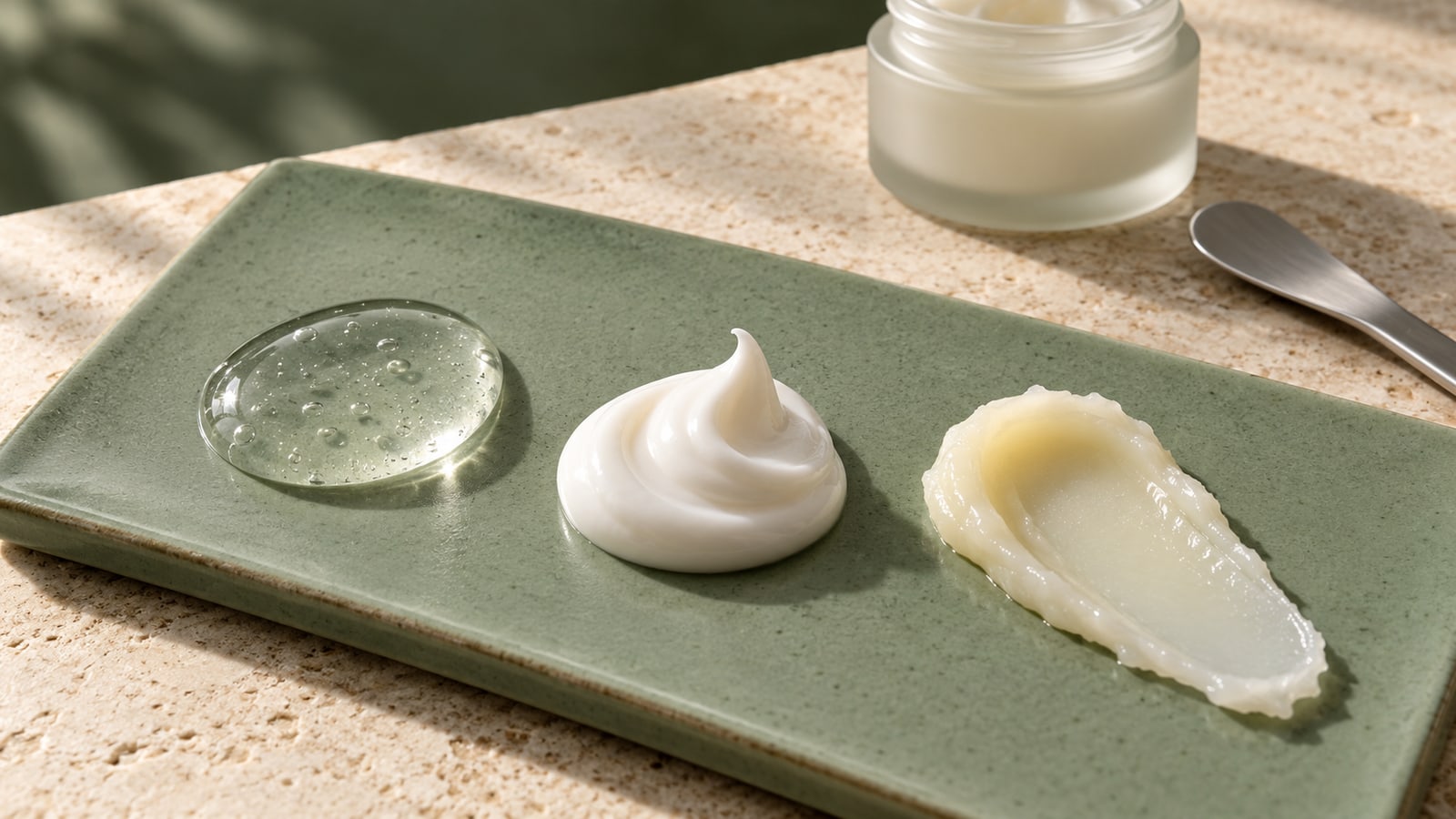
Humectants, Emollients and Occlusives: What a Moisturiser Actually Does
Understand the different jobs moisturiser ingredients perform and how to assess a finished product without buying unnecessary extra steps.
Niacinamide in Skincare: Uses, Evidence and Possible Irritation
Read niacinamide claims in context, understand what small trials studied and assess a finished formula without assuming stronger is better.