Glycolic Acid vs Lactic Acid: Comparing Two Common Exfoliating Ingredients
Compare actual AHA formulations, a direct clinical trial and irritation and sun-sensitivity precautions before adding exfoliation.
Glycolic acid and lactic acid often appear in products promising smoother skin. Both belong to the alpha hydroxy acid family, usually shortened to AHA. That shared category is useful, but it does not make every glycolic toner or lactic-acid cream equivalent.
The better comparison considers the whole formula, its intended use, the evidence behind the claim and your current skin condition. Choosing the highest percentage or assuming that one ingredient is always gentle can miss those practical differences.
Key takeaways
- Glycolic and lactic acids are AHAs used in exfoliating skincare.
- Percentage alone does not describe a finished product’s effect.
- A small older trial found modest benefits from specific creams; it did not establish a universal winner.
- AHAs can cause irritation and increase sensitivity to sunlight.
- A professional peel is not interchangeable with an everyday cosmetic.
On this page
- What the two ingredients have in common
- Why the number on the bottle is incomplete
- What a direct clinical study actually showed
- Turn “better” into a specific question
- Comfort and sunlight precautions matter
- Avoid turning a comparison into an experiment with many variables
- Professional treatment requires a separate decision
- Common questions
- Sources and further reading
What the two ingredients have in common
DermNet describes AHAs as ingredients that encourage shedding of surface skin cells. Glycolic and lactic acid are commonly used members of that family. Their presence on a label can indicate an exfoliating purpose, although the intended effect must be understood in the context of the complete product.
A lotion, a rinse-off cleanser and a professional peel expose skin to different formulations and instructions. It is therefore more useful to compare two actual products than to ask which acid is strongest in the abstract. Neither ingredient is an essential step in every routine.
If your current priority is comfort rather than exfoliation, begin with the basics described in our simple skincare routine. Adding another active ingredient is a choice, not a requirement for looking after skin.
Why the number on the bottle is incomplete
The FDA’s AHA information discusses concentration, final-product pH and sun-protection precautions together. That is a useful reminder that a percentage is not a complete safety or performance description. The base formula and how the product is used also belong in the comparison.
A label may describe the percentage of an acid blend rather than one named acid. Check what the number actually refers to. If the manufacturer does not explain the claim, do not fill the gap by assuming that it means a particular free-acid concentration or that two products are directly comparable.
| Question | Glycolic-acid product | Lactic-acid product |
|---|---|---|
| What is its format? | Identify cleanser, cream, toner or peel | Identify cleanser, cream, toner or peel |
| What does the percentage mean? | Check single ingredient or blend | Check single ingredient or blend |
| What evidence supports the claim? | Look for the actual formula and outcome studied | Look for the actual formula and outcome studied |
| How is it intended to be used? | Follow its own directions and warnings | Follow its own directions and warnings |
| Does it fit the current routine? | Consider other exfoliants and medicines | Consider other exfoliants and medicines |
What a direct clinical study actually showed
A 1996 randomised, double-blind study enrolled 74 women aged 40–70 with moderately severe facial photodamage. It compared 8% glycolic-acid cream, 8% L-lactic-acid cream and a vehicle cream over 22 weeks. The creams were studied on the face and outer forearms.
For facial photodamage, a greater proportion in each acid group achieved at least a one-grade improvement than in the vehicle group. The authors described the creams as modestly useful. One participant withdrew because of irritation and six for personal reasons.
This is evidence about those formulations, participants and outcomes. It does not prove that glycolic acid is always better than lactic acid, or that either will suit sensitive skin, treat acne scars or reproduce the same results in a different toner. The study’s application schedule is not a recommendation for your product.
Turn “better” into a specific question
Before comparing ingredients, write down what you want to change. Is it a rough-feeling surface, an uneven-looking tone or repeated spots? Those are different outcomes. A study about signs of photodamage does not automatically answer a question about active acne.
Also ask how a claimed benefit was measured. A participant rating their skin as smoother, a clinician grading appearance and a laboratory measurement are different forms of evidence. None should be silently substituted for a promise to remove scars or reverse all sun damage.
Our acne marks and scars guide explains why texture and pigment need separate assessment. Buying stronger exfoliation before identifying the concern can make the choice less useful.
Comfort and sunlight precautions matter
The FDA notes that AHA-containing cosmetics can increase sun sensitivity and recommends protection during use and for a week afterwards. This is US regulatory guidance used here for its safety information, not a statement of UK labelling law. Follow the actual product’s warnings and use sensible sun protection.
Burning, rash, swelling and other irritation have been reported with AHAs. Do not treat a strong sting as proof of effectiveness or keep increasing use to chase visible peeling. Stop an optional product that causes a concerning reaction and seek advice if symptoms are substantial, persistent or worsening.
If your skin is already inflamed, or you are using prescribed acne treatment, ask a pharmacist or clinician whether an exfoliant fits the plan. After a procedure, use the product restart checklist to clarify timing with the treating team.
Avoid turning a comparison into an experiment with many variables
Identify the specific concern and whether exfoliation is relevant.
Check the product type, directions and limits of the supporting study.
Consider the existing routine, sun protection and reasons to stop.
Using a new acid alongside a new retinoid, scrub and cleanser makes any reaction difficult to interpret. Keep a record of changes rather than treating several simultaneous additions as a fair test of which ingredient suits you.
Nor is a home comparison a clinical trial. Differences in weather, routine and application can affect your experience. Use that experience to describe tolerability and practical fit, while keeping broader effectiveness claims tied to appropriate evidence.
Professional treatment requires a separate decision
Professional peels can involve different concentrations, contact times and clinical supervision. Do not copy a professional protocol with a product bought online or mix acids to imitate a stronger treatment. Our chemical-peel guide covers the consultation and recovery discussion.
Natural ingredient origins do not remove the possibility of injury. Likewise, a product sold with soothing language still needs clear directions. A sensible decision may be to keep the routine unchanged, especially if the proposed benefit is vague or your skin is currently uncomfortable.
Common questions
Are glycolic and lactic acid both AHAs?
Yes. They belong to the same ingredient family, but the finished products can differ substantially in formulation and intended use.
Is lactic acid always gentler?
Do not assume that from the ingredient name. Concentration, formulation, use and individual skin response matter. Compare actual products and their instructions.
Does a higher percentage guarantee better results?
No. Percentage alone is incomplete and does not establish suitability. Greater irritation is not evidence of a better outcome.
Did the 1996 trial identify a universal winner?
No. It found modest benefits for specific creams compared with a vehicle in a defined population. It cannot rank every modern glycolic and lactic product.
Can I use the study’s schedule for my toner?
No. Research instructions belong to the studied formulation and protocol. Follow your product’s directions and any advice relevant to your skin.
Do I need extra care with sunlight?
Yes. AHA products can increase sun sensitivity. Follow the warnings and use sunscreen, clothing and shade appropriately rather than relying on exfoliation at night alone.
Can I use both acids with a retinoid?
That combination needs consideration of the exact products and tolerability. If you use prescribed treatment or have irritated skin, ask for individual advice before adding exfoliants.
Is exfoliation essential for a healthy routine?
No. A comfortable basic routine may meet your needs. An additional product should have a clear purpose that justifies its cost and potential irritation.
Sources and further reading
Sources checked 21 October 2026. The trial discussion uses its indexed primary abstract and is not a comprehensive evidence review. US guidance is identified as such. Clinical review is not claimed.
Keep exploring
A Simple Skincare Routine: The Essentials Before You Add More Products
A practical starting point for cleansing, moisturising and sun protection, with room for your skin’s needs and your budget.
How to Choose a Facial Cleanser for Your Skin’s Needs
Choose a facial cleanser by its purpose, instructions and comfort, with practical checks for labels, budget and your existing skincare.
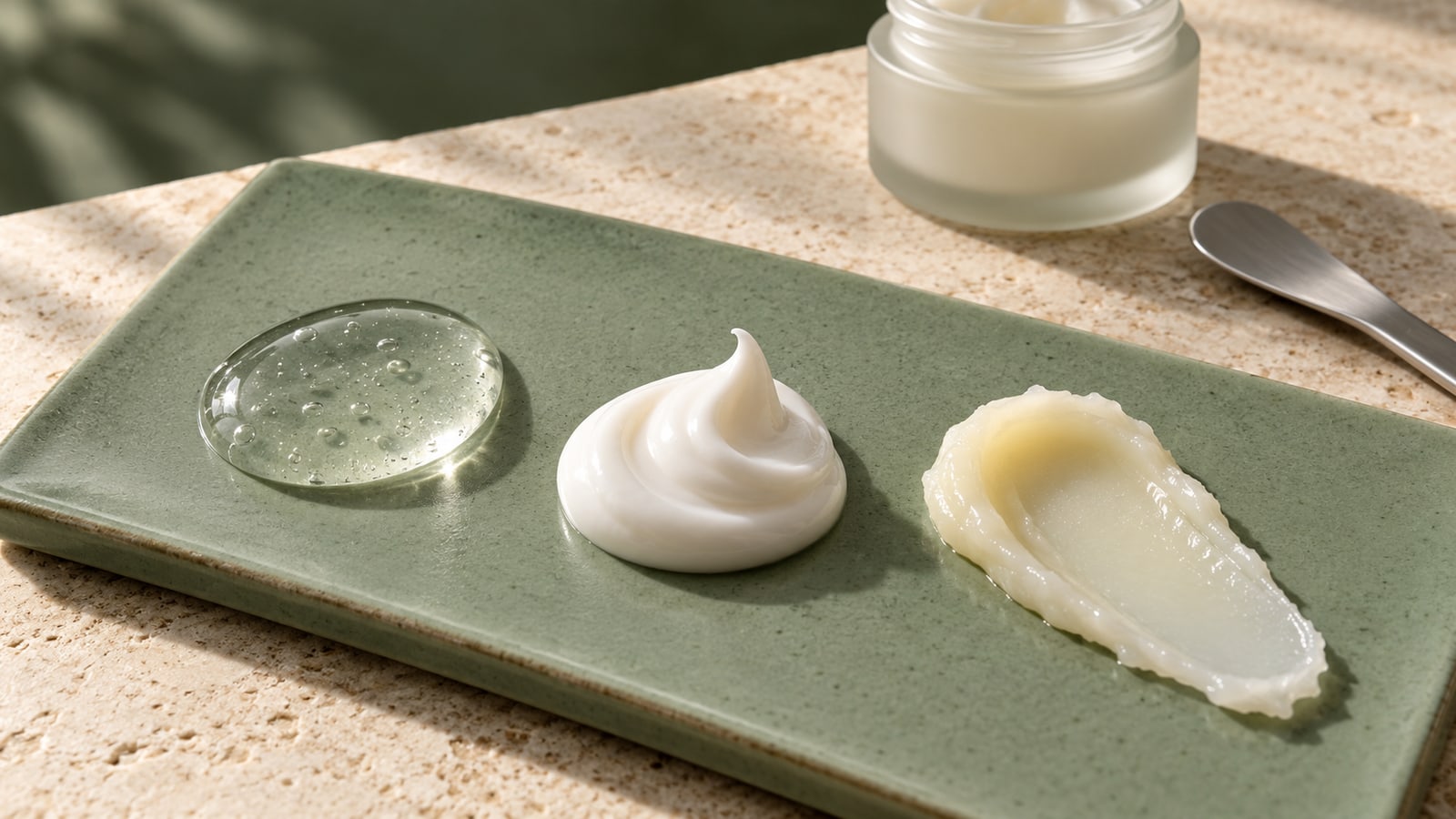
Humectants, Emollients and Occlusives: What a Moisturiser Actually Does
Understand the different jobs moisturiser ingredients perform and how to assess a finished product without buying unnecessary extra steps.
Niacinamide in Skincare: Uses, Evidence and Possible Irritation
Read niacinamide claims in context, understand what small trials studied and assess a finished formula without assuming stronger is better.