Azelaic Acid: Cosmetic Products, Medicines and What to Ask a Pharmacist
Distinguish cosmetic azelaic-acid products from UK prescription preparations and prepare questions about use, reactions and review.
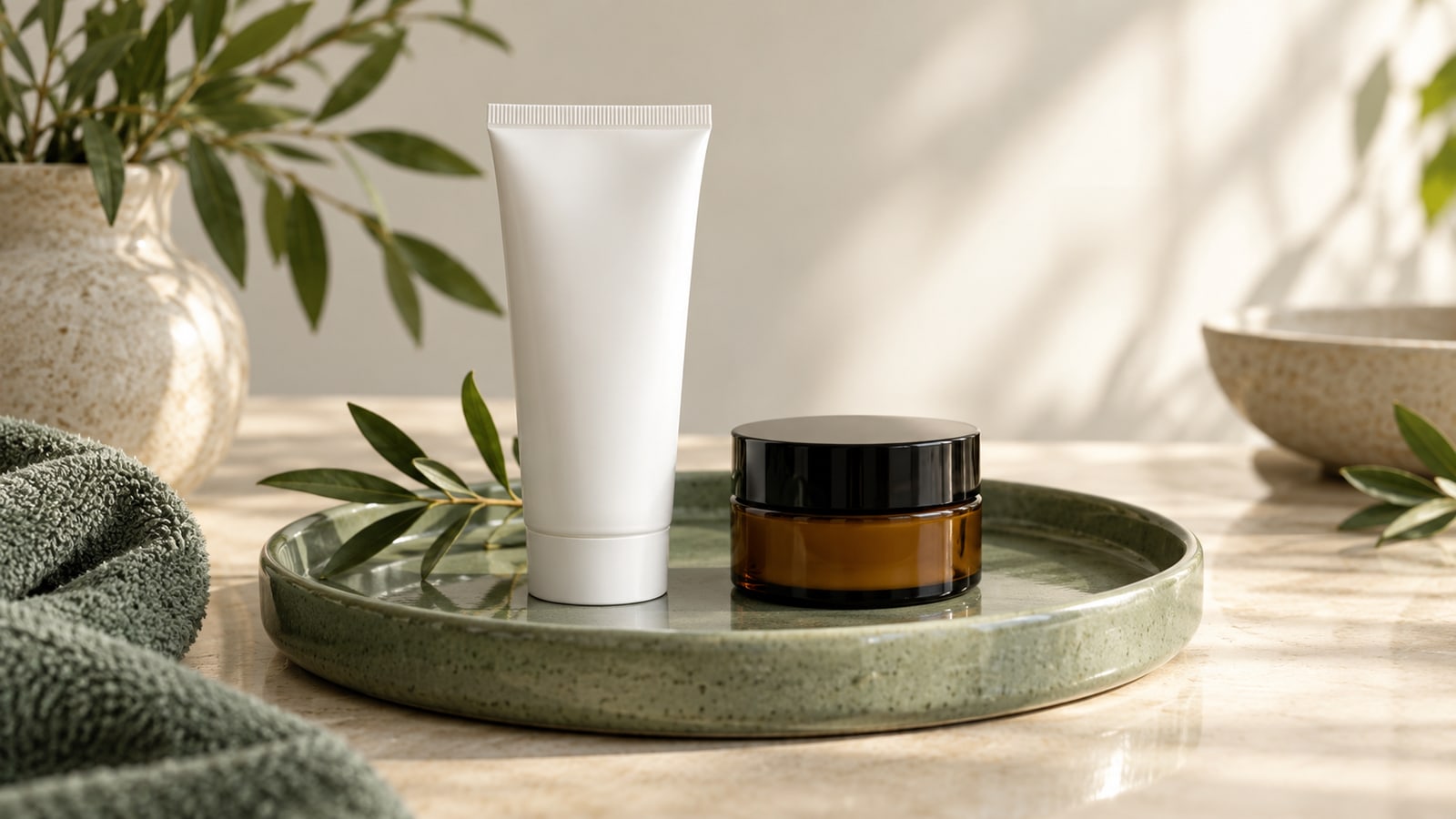
Azelaic acid appears in both cosmetic skincare and prescription medicines. The shared ingredient name can make them look interchangeable, but the formulation, licensed purpose and instructions may differ. A product chosen for a cosmetic claim should not automatically replace a treatment prescribed for acne or rosacea.
A pharmacist can help clarify what you have, what it is intended to do and when a clinician should assess the skin concern. Bring the actual product name and packaging rather than asking only whether “azelaic acid” is suitable.
Key takeaways
- Azelaic acid is an ingredient used in specific acne and rosacea medicines as well as cosmetics.
- Skinoren 20% cream and Finacea 15% gel have different licensed descriptions.
- Percentage alone does not establish that one formula is better for you.
- Burning, itching and other local reactions can occur.
- Ask about the diagnosis, other products, pregnancy or breastfeeding, and the review plan.
On this page
- Start with the condition being treated
- Understand two UK medicine examples
- Bring the whole routine to the pharmacy
- Know the difference between expected irritation and a concerning reaction
- Ask explicitly about pregnancy and breastfeeding
- Agree how to judge progress
- Separate evidence from packaging language
- Common questions
- Sources and further reading
Start with the condition being treated
Acne, rosacea and post-inflammatory marks can overlap in everyday descriptions, but they are not the same diagnosis. A product that helps one feature may leave another unchanged. Ask which part of the problem the proposed treatment is intended to address.
The AAD’s 2024 acne guideline includes a conditional recommendation for topical azelaic acid. That supports a place in selected acne treatment plans; it is not a claim that every cosmetic containing the ingredient has been tested equally or is the best option for everyone.
Our adult acne guide and rosacea assessment guide explain why persistent facial symptoms deserve a clear diagnosis before a complicated routine develops.
Understand two UK medicine examples
The UK product information lists Skinoren 20% cream as a prescription-only treatment for acne vulgaris. Finacea 15% gel is also prescription only; its licensed indications include mild-to-moderate papular-pustular facial acne and papulopustular rosacea.
These are examples of specific licensed products, not an exhaustive list of every available preparation. The rosacea indication should not be expanded into a claim that the gel treats every form of flushing, every visible vessel or every cause of facial redness.
| Product category | What is established | What to clarify |
|---|---|---|
| Skinoren 20% cream | UK prescription medicine for acne vulgaris | Your instructions, tolerability and review |
| Finacea 15% gel | UK prescription medicine with specified acne and rosacea indications | Which indication is being treated in your case |
| Cosmetic product | Claims and formulation belong to that individual product | Whether evidence supports the claimed outcome |
| Combination routine | Several ingredients may affect tolerability | Which items are necessary and how to use them together |
A lower numerical concentration is not enough to judge a gel against a cream. Different bases and delivery characteristics mean the comparison cannot be reduced to 15 versus 20. Do not change a prescribed product solely because another bottle displays a larger number.
Bring the whole routine to the pharmacy
List cleansers, moisturisers, sunscreens, spot treatments, retinoids and exfoliating acids, including products used only occasionally. Give the pharmacist the names of other medicines and explain any previous reactions. Photographs of labels can help if carrying every container is impractical.
Finacea’s product information specifically cautions against potentially irritating topical products in sensitive rosacea skin. This makes a review of the routine useful. Adding a scrub or strong exfoliant to “help it work” may instead make the treatment harder to tolerate.
Our simple routine guide helps identify the basic supporting steps. Ask which optional products should wait and which prescribed treatments must remain part of the plan.
Know the difference between expected irritation and a concerning reaction
The medicine information describes local burning, itching, pain or irritation among possible adverse effects. The appropriate response depends on severity and the actual prescription. Ask in advance what to do if discomfort develops rather than pushing through every reaction or abandoning treatment without advice.
A severe or unusual reaction needs prompt assessment. Call 999 for sudden throat or tongue swelling, difficulty breathing or other signs of anaphylaxis. NHS guidance treats these as an emergency; do not wait for a routine pharmacy appointment.
Both medicines’ product information also notes rare reports of worsening asthma. Tell the prescriber if you have asthma and seek advice if symptoms change. This does not mean every sensation after application is an allergy, but it does mean significant breathing symptoms should not be dismissed as ordinary skin irritation.
Ask explicitly about pregnancy and breastfeeding
If pregnant, planning pregnancy or breastfeeding, discuss the exact product with a pharmacist or prescriber. The UK medicine information advises caution rather than providing a blanket claim of safety for every use. A cosmetic label and a prescription leaflet should not be treated as interchangeable advice.
Skinoren’s information says infants must not come into contact with treated skin or the breast. Ask how this applies to the area you need to treat and how to avoid contact. Do not apply a product where a baby could ingest it or transfer instructions from another person’s prescription.
Bring any other skincare medicines into the same discussion. The relevant question is the whole treatment plan during pregnancy or breastfeeding, not whether one ingredient has a reassuring reputation online.
Agree how to judge progress
Record its name, formulation and whether it is a medicine or cosmetic.
Ask which diagnosed concern or cosmetic outcome it is meant to address.
Know the instructions, reaction advice and when to reassess benefit.
Ask what improvement should be assessed and when to contact the prescriber if it does not occur. Follow the instructions for your actual medicine; different indications can have different review advice. Do not borrow a friend’s schedule or increase application to try to accelerate the result.
A brief record of use and reactions can make a review more useful. Note whether the issue is ongoing spots, discomfort, pigment or another concern. “It did not fix my skin” is understandable, but a more specific description helps identify whether the target or the treatment needs reconsideration.
Separate evidence from packaging language
If a cosmetic cites research, check whether it involved the same finished formulation, the same outcome and a comparable group of people. Evidence for a licensed medicine does not automatically establish the performance of a different serum containing the same ingredient.
There is no need to choose a prescription simply because it sounds stronger, or a cosmetic simply because it sounds gentler. The appropriate choice depends on the concern, suitability and evidence. A pharmacist can help you understand the distinction and advise when assessment is needed.
Common questions
Is azelaic acid always a prescription medicine?
No. It also appears in cosmetics. Specific UK products such as Skinoren and Finacea are prescription medicines with defined product information and indications.
Is 20% cream automatically better than 15% gel?
No. The formulation and intended use matter. Do not compare suitability by percentage alone or switch a prescribed product without advice.
Does Finacea treat every kind of facial redness?
No. Its rosacea indication is specific. Persistent redness, flushing or eye symptoms may need assessment rather than an assumption about the appropriate medicine.
Can I add exfoliating acids to make it work faster?
Ask first, especially with sensitive or rosacea-prone skin. Extra irritating products may make the routine harder to tolerate without improving the intended outcome.
Should I tolerate strong burning?
No. Ask the pharmacist or prescriber how to respond to irritation, and seek prompt advice for substantial or worsening reactions. Breathing difficulty or throat swelling is an emergency.
Can I use it during pregnancy?
Discuss the exact preparation and treatment need with a pharmacist or prescriber. Do not use a general online claim as a substitute for individual advice.
What should breastfeeding parents check?
Confirm suitability and how to prevent an infant contacting treated skin. The product’s own instructions and the area being treated matter.
What if the treatment is not helping?
Follow the agreed review plan and describe the outcome and any irritation. Do not keep escalating use or assume that a different percentage will solve the problem.
Sources and further reading
Sources checked 21 October 2026. Product information is specific to the named medicines; this article does not provide a personal prescription. Clinical review is not claimed.
Keep exploring
A Simple Skincare Routine: The Essentials Before You Add More Products
A practical starting point for cleansing, moisturising and sun protection, with room for your skin’s needs and your budget.

How to Choose a Facial Cleanser for Your Skin’s Needs
Choose a facial cleanser by its purpose, instructions and comfort, with practical checks for labels, budget and your existing skincare.
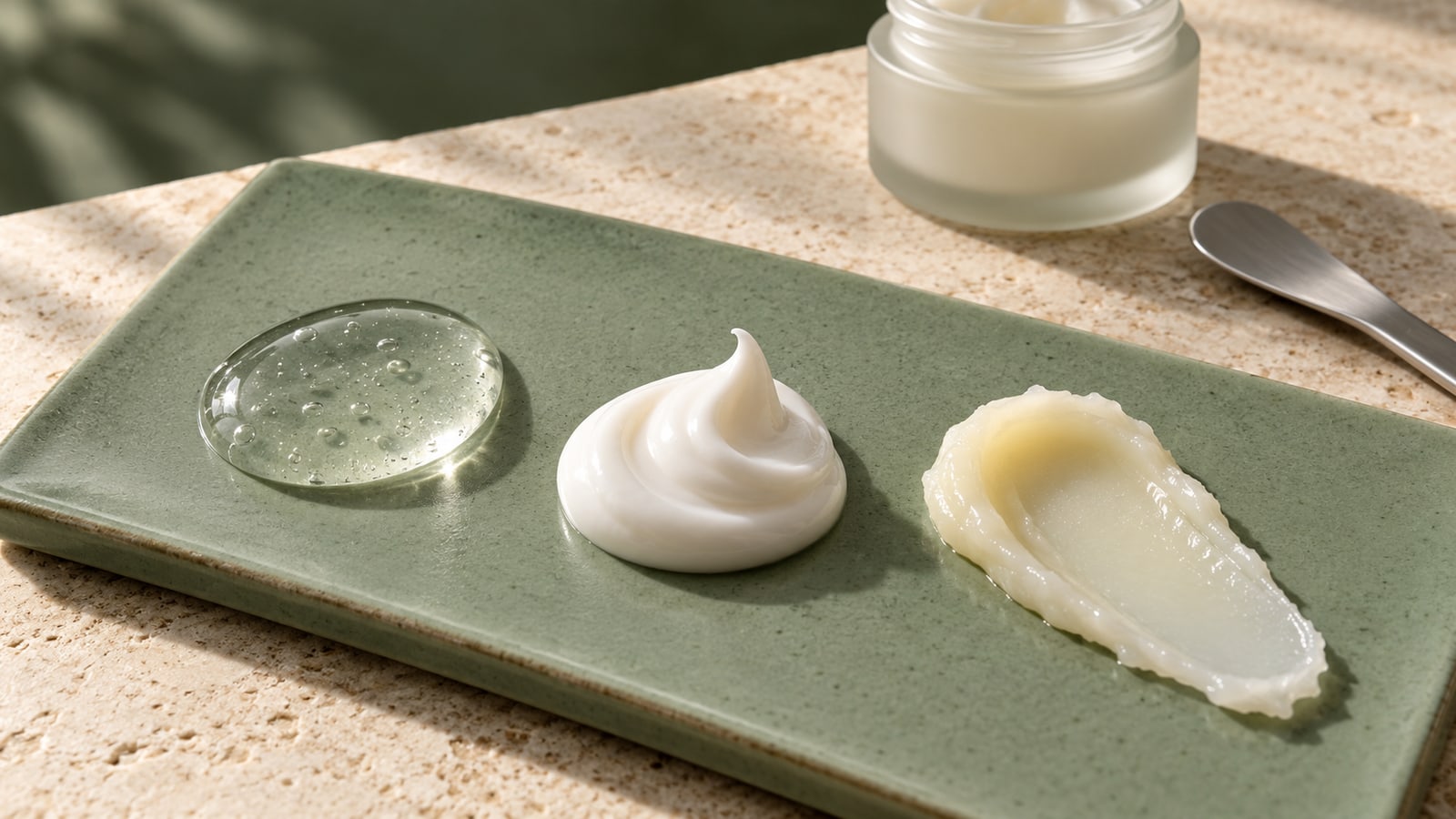
Humectants, Emollients and Occlusives: What a Moisturiser Actually Does
Understand the different jobs moisturiser ingredients perform and how to assess a finished product without buying unnecessary extra steps.
Niacinamide in Skincare: Uses, Evidence and Possible Irritation
Read niacinamide claims in context, understand what small trials studied and assess a finished formula without assuming stronger is better.