Wellbeing & Aftercare
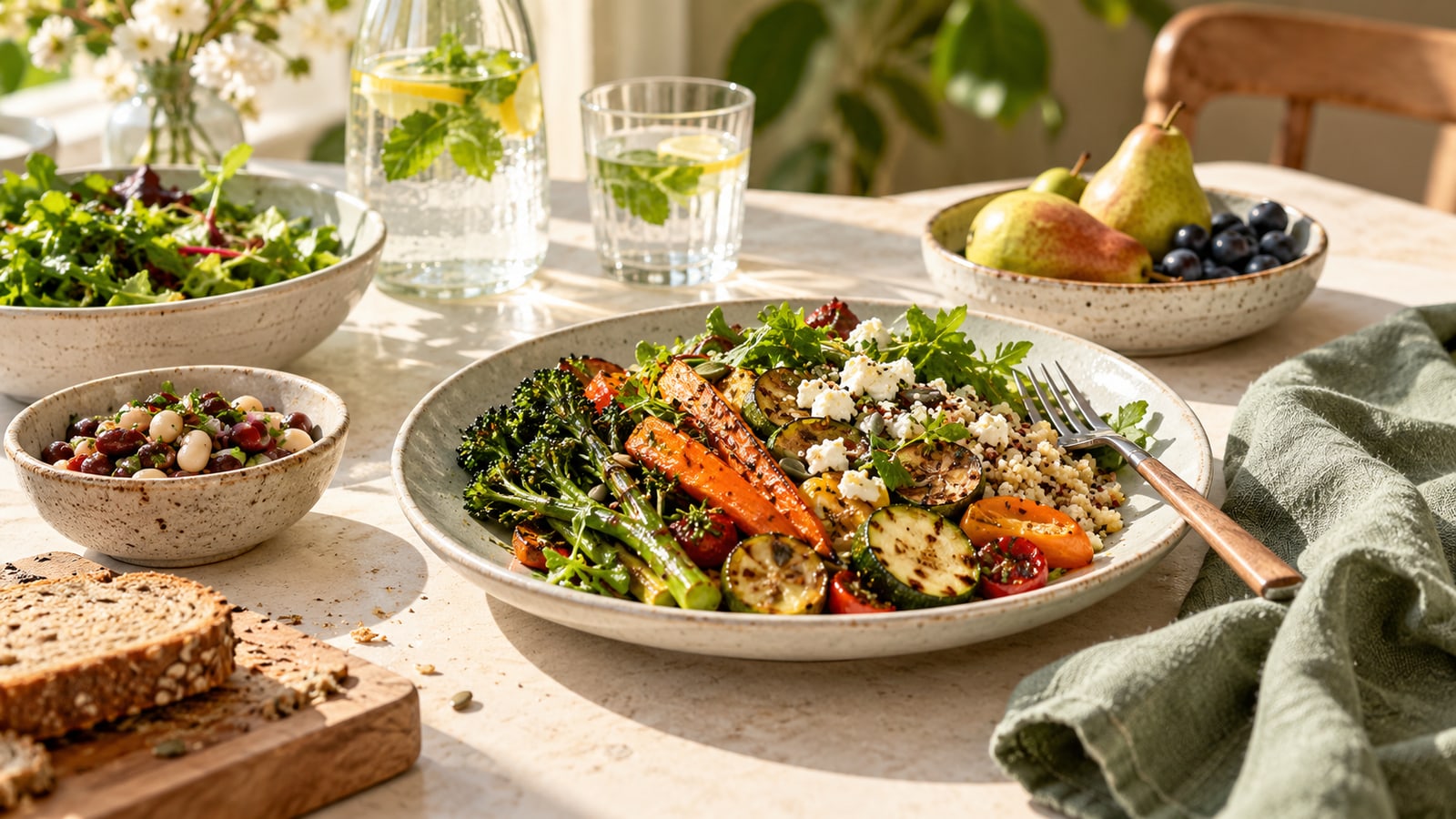
Food and Acne: Reading the Evidence Without Unnecessary Restriction
Read food-and-acne research in context, avoid unnecessary restriction and prepare useful questions about diet alongside an acne-treatment plan.
The skin & wellbeing journal
Read food-and-acne research in context, avoid unnecessary restriction and prepare useful questions about diet alongside an acne-treatment plan.
Assess hair-supplement claims, distinguish deficiency treatment from routine use and understand why biotin matters when arranging blood tests.

Understand how scar type affects procedure choices, why active acne matters and what to ask about evidence, skin tone, recovery and cost.

Compare squalane and squalene, understand stability and safety claims, and check the full product formula and source before adding an oil.

Understand why folliculitis and ingrown hairs can look alike, how shaving contributes and when painful or persistent bumps need medical advice.

Check insurance wording, provider eligibility, authorisation and personal costs before private skin treatment, and understand how to query a refusal.

Put filtered skin images in context, assess product claims and recognise when appearance comparisons are affecting your wellbeing.
Prepare for a minoxidil discussion with a pharmacist, including the cause of hair loss, product-specific precautions and ongoing treatment review.

Understand why local body contouring differs from weight-loss treatment, how to assess evidence and what to ask about suitability, risks and cost.
Explore panthenol's moisturising evidence, the limits of combination-product trials and why a cosmetic B5 serum is not universal wound care.