Water-Resistant Sunscreen: What to Do After Swimming and Sweating
Understand water-resistant sunscreen labels and plan reapplication after swimming, sweating and towel drying, with UK advice separated from US labelling.
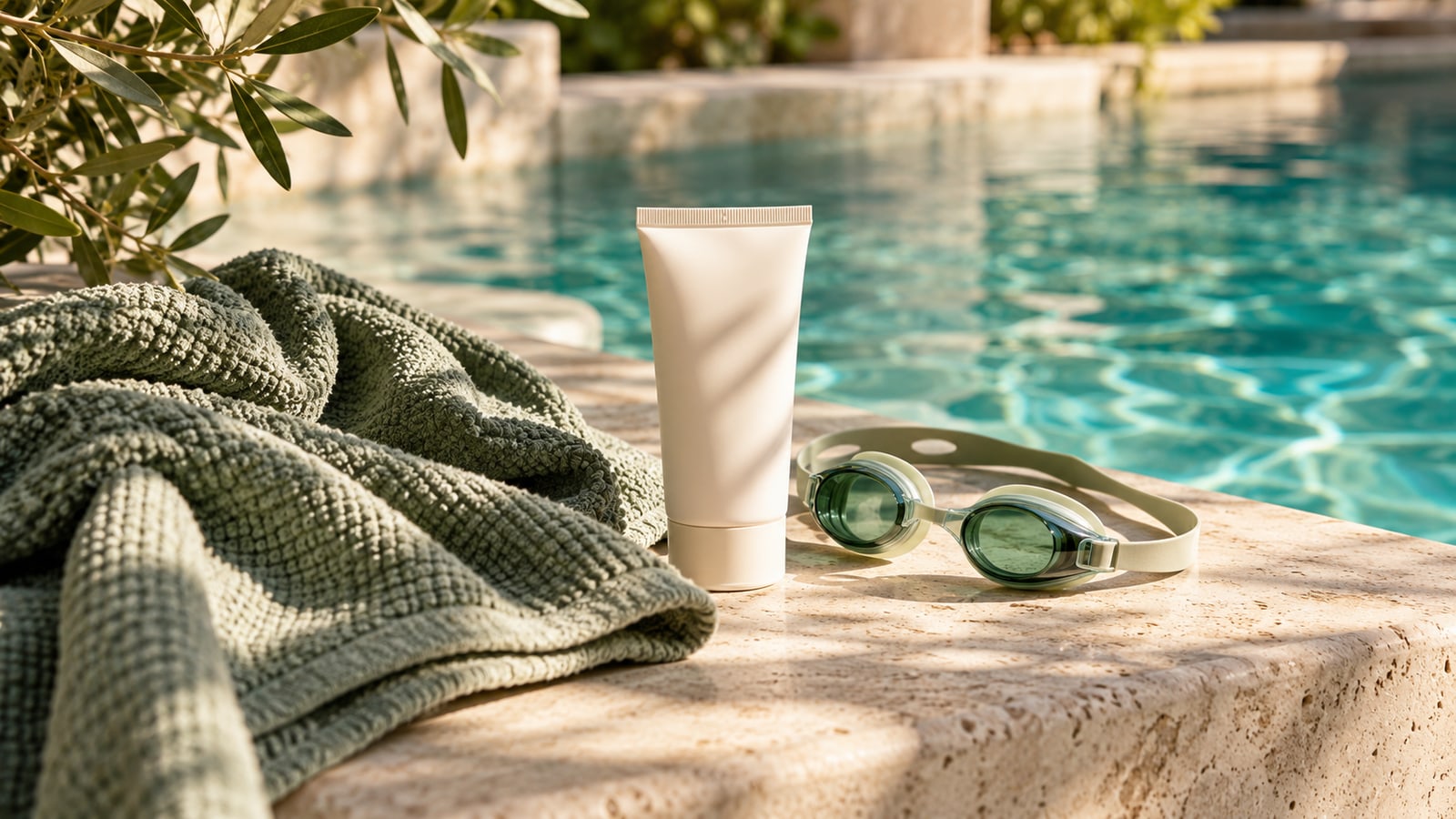
Water-resistant sunscreen is useful when swimming or sweating, but the label does not mean that protection stays intact indefinitely. Water, towels, clothing and activity all make reapplication part of the plan. The useful question is what you will do before, during and after the activity.
In the UK, NHS advice is clear that sunscreen should be reapplied after being in water even when it is described as water resistant. A bottle’s claim should support your protection routine rather than become a reason to postpone renewing it.
Key takeaways
- Water resistant does not mean waterproof.
- Follow product directions before entering the water.
- Reapply after swimming, towel drying, sweating or rubbing product off.
- US forty- or eighty-minute labels describe a specific labelling system.
- Arrange shade, clothing and accessible sunscreen before the activity starts.
On this page
Understand what the claim is telling you
Water resistance is a performance claim under specified conditions, not a guarantee that your original application will survive every real-world activity. Read the complete directions rather than extracting one reassuring phrase from the front of the container.
The US Food and Drug Administration explains that US water-resistant sunscreens state whether they meet the relevant test for forty or eighty minutes of swimming or sweating. It also states that no sunscreen is waterproof and that reapplication directions remain necessary.
Those numbers should be identified as US labelling information, not presented as a universal rule for every UK product. If you have bought sunscreen abroad, read its directions carefully and ask a pharmacist or manufacturer when the wording is unclear.
Use the UK reapplication advice
NHS guidance recommends reapplying straight after being in water, including when using a water-resistant product. It also identifies towel drying, sweating and rubbing off as reasons to reapply, alongside the general two-hour advice during sun exposure.
That means an elapsed-time reminder is only part of a useful routine. A swim followed by drying can create a reason to renew protection before your two-hour alarm would otherwise ring.
Our guide to sunscreen labels explains how water resistance fits alongside SPF and UVA protection. None of these features should be read in isolation from the instructions.
Plan the first application before the activity
Read how far ahead of exposure the product should be applied and whether it needs dry skin. Do not assume a formula is intended for wet application unless the manufacturer says so. Give yourself enough preparation time to follow the directions properly.
At a pool, it may be easier to organise application before entering a busy changing area or joining friends outside. At the beach, think about which areas become exposed when outer clothing comes off.
Keep a simple routine for checking coverage. Work through exposed areas methodically, and arrange help for areas you cannot comfortably reach. A rushed application after the activity has begun is harder to assess and easier to interrupt.
| What happens | What to check | Practical response |
|---|---|---|
| You leave the water | Product directions and exposed areas | Reapply as advised, even with water resistance |
| You towel dry | Where the towel has rubbed | Renew protection instead of relying on the earlier layer |
| You sweat during exercise | Whether product has been removed | Take a suitable break to reapply |
| You change clothes | Newly exposed areas and rubbing | Include those areas in the protection plan |
Make the after-swim step easy
Put sunscreen somewhere accessible rather than at the bottom of a bag under wet clothes. Choose a shaded place where you can dry and reapply according to the label without feeling hurried back into the activity.
If you are supervising children or managing equipment, decide in advance when everyone will pause. A practical break is easier to maintain than expecting each person to remember independently while distracted.
Keep a separate space for the bottle so it is not confused with shampoo or another product. A clear label and familiar packaging can help when several similar containers are being passed around.
Before, out, dry, renew
- Before: Apply a suitable product as directed.
- Out: Move to a practical place after swimming.
- Dry: Follow the product’s application requirements.
- Renew: Reapply before continuing exposure and repeat when needed.
Sweating needs its own plan
A walk, outdoor class or sports session may involve sweating without any swimming. Consider how often you wipe your face, adjust equipment or change clothing, and make room for reapplication rather than assuming the absence of water solves the problem.
Our guide to planning activity during a skin flare discusses adapting activity to comfort. If your skin is already sore or reacting, seek suitable advice about products and the activity itself rather than pushing through discomfort.
Choose a sunscreen format you can use thoroughly in that setting. Our comparison of sprays, sticks and creams explains why quick dispensing is not the same as adequate application.
Protect the product as well as remembering it
The FDA advises protecting sunscreen from excessive heat and direct sun. Follow the storage instructions on your bottle. A place in the shade can be more appropriate than leaving it exposed on a hot ledge throughout the afternoon.
Check the expiry and the condition of the container before an outing. If the cap no longer closes or the label has become unreadable, resolve that before relying on it away from home.
A simple bag checklist can include enough sunscreen, clothing, a hat and the things needed for a comfortable break. Treat protection as part of preparing for the day rather than an extra job that must compete with the activity once it starts.
Common questions
Does water resistant mean waterproof?
No. Sunscreen can be removed, and reapplication remains necessary.
Should I wait two hours after a swim?
No. NHS advice is to reapply after water exposure, including with water-resistant products.
Does towel drying matter?
Yes. Rubbing with a towel can remove product and is a reason to renew protection.
What do forty and eighty minutes mean?
They are water-resistance test claims used in US sunscreen labelling, not universal UK application intervals.
Can sunscreen always go onto wet skin?
Only use it that way if the product directions support it.
Do I need to plan for sweating?
Yes. Exercise and wiping can disturb protection even without swimming.
Can I leave the bottle in direct sun?
Follow storage instructions and protect it from excessive heat and direct sunlight.
Is sunscreen the only protection needed?
No. Include shade and suitable clothing as part of the wider sun-safety plan.
Sources and further reading
Sources checked 22 October 2026. US labelling claims are explicitly distinguished from UK NHS reapplication advice.
Keep exploring
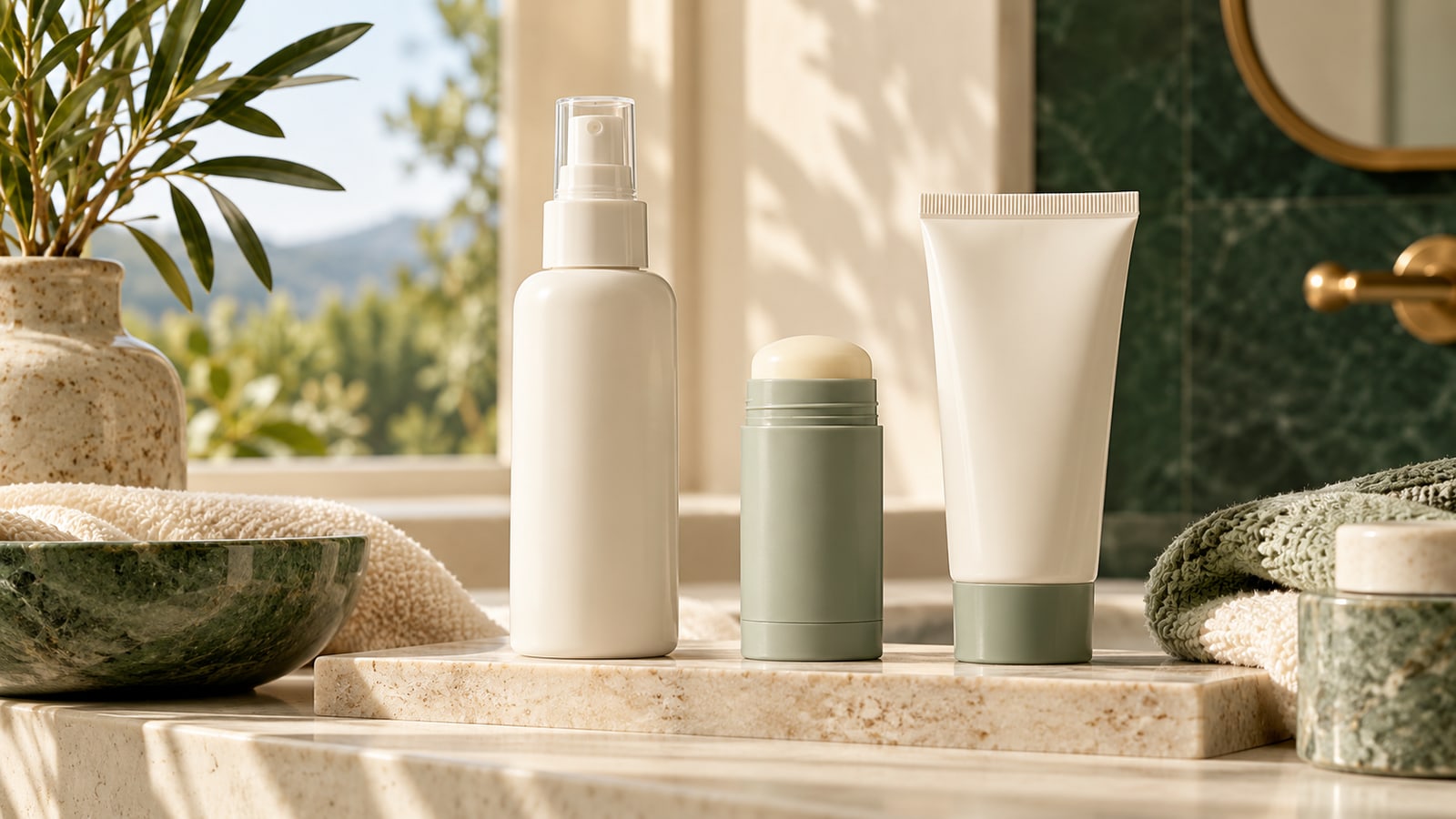
Sunscreen Sprays, Sticks and Creams: Application Trade-Offs
Compare sunscreen sprays, sticks and creams by coverage, practical handling and application precautions without assuming one format suits every situation.
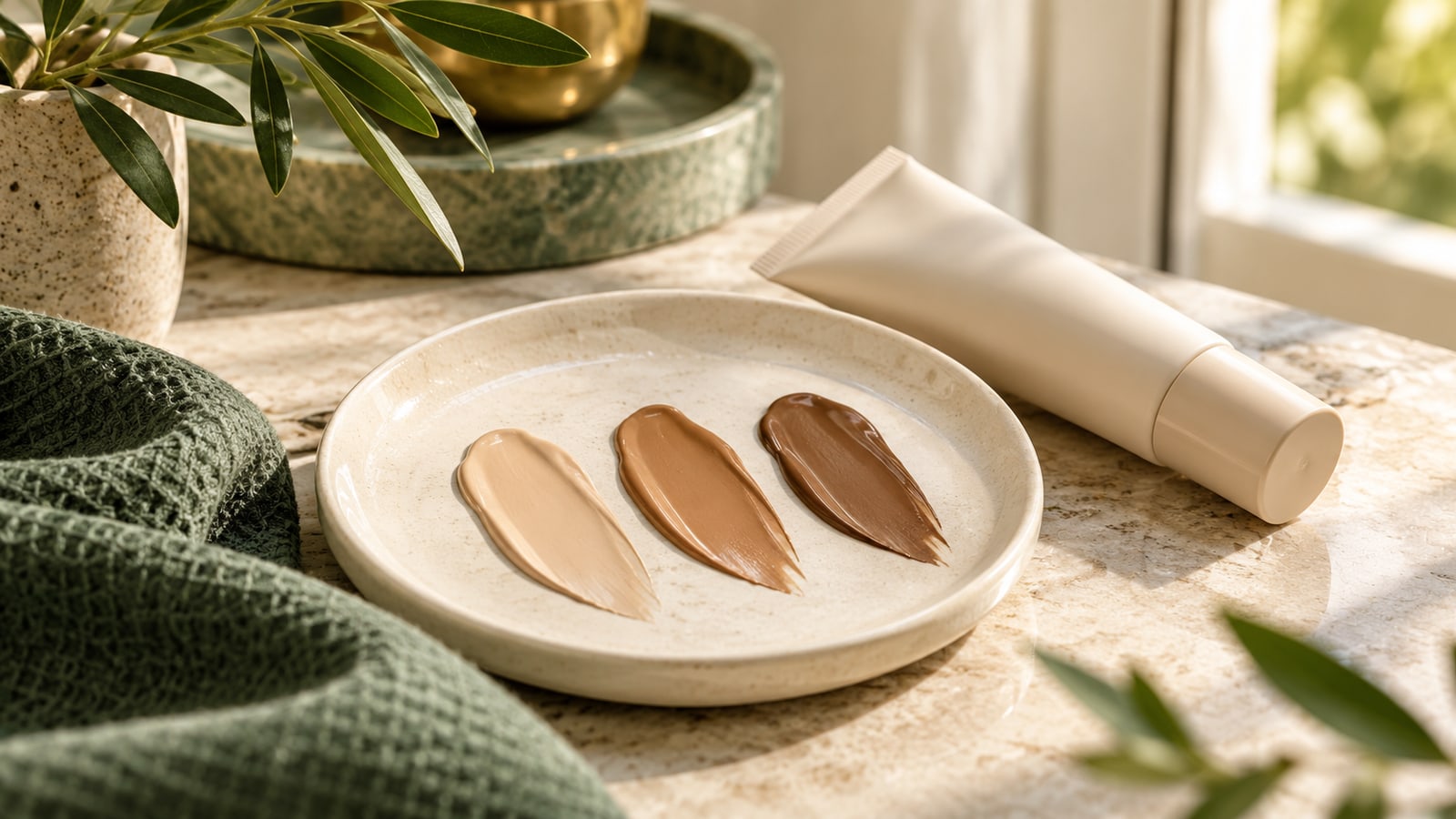
Tinted Sunscreen: Shade Matching, Iron Oxides and Visible-Light Claims
Compare tinted sunscreen by UV protection, iron oxides, shade fit and application amount, with clear limits on what melasma research can establish.
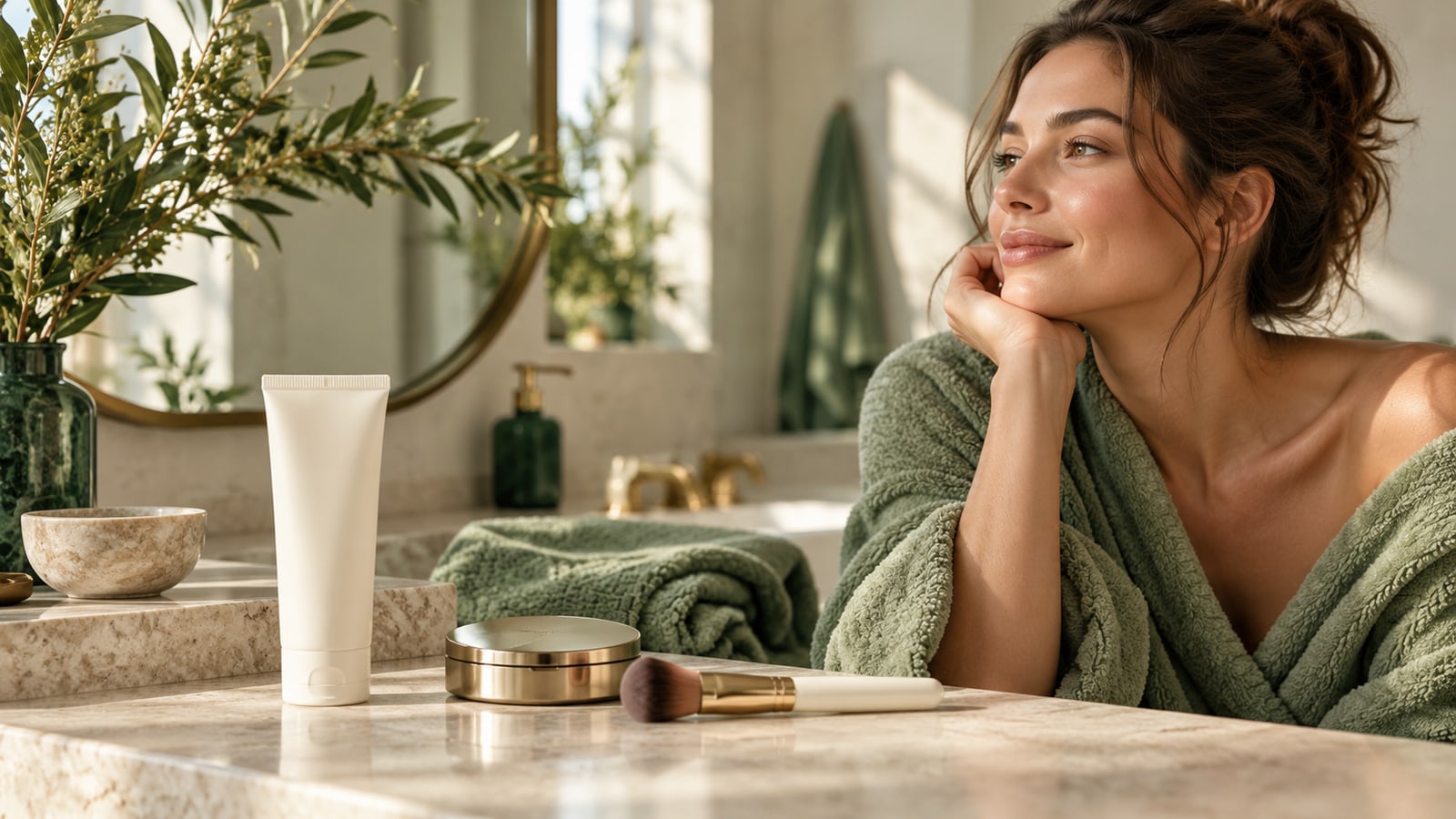
Sunscreen Under Make-Up: Applying Both Without Relying on SPF Cosmetics
Apply sunscreen beneath make-up with adequate coverage, manageable layering and a practical reapplication plan rather than relying on light SPF cosmetics.
Why Skincare Products Pill: Application, Layering and Troubleshooting
Troubleshoot rolling skincare particles by identifying the step, simplifying optional layers and checking application while preserving sunscreen coverage.