Drinking Water and Skin Hydration: Separating Everyday Needs from Beauty Claims
Separate everyday fluid needs from beauty claims, understand limited skin-hydration research and know when dryness or dehydration needs advice.
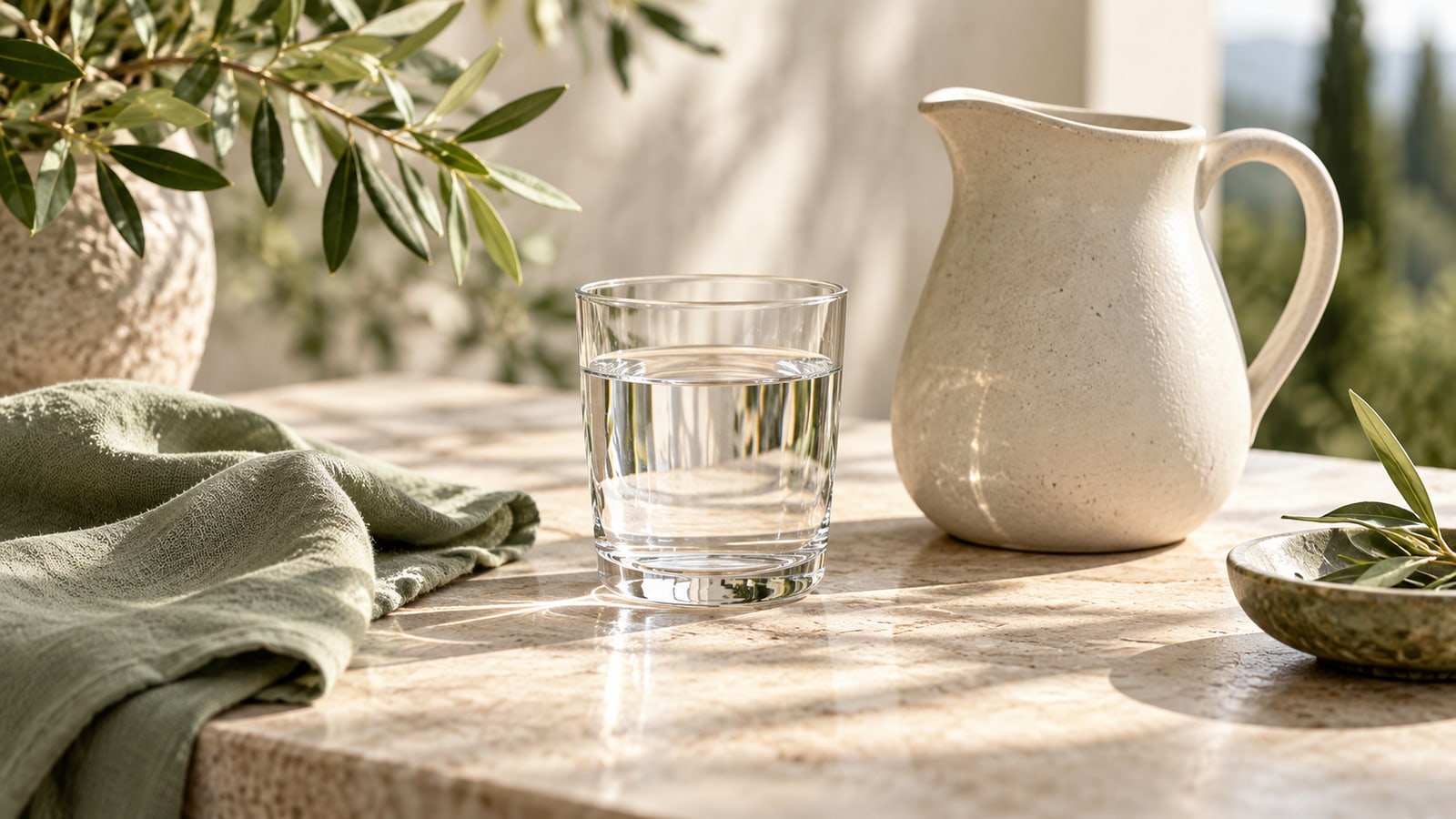
Drinking enough fluid supports everyday health, but beauty advice often adds a stronger promise: drink more water and your skin will become clearer, smoother or younger-looking. Those claims need to be separated from the ordinary need to avoid dehydration.
This guide looks at the research on extra fluid and skin hydration, explains general drinking guidance and offers a practical way to respond to dry-feeling skin without turning water intake into a beauty challenge.
Key takeaways
- Adequate fluid intake matters for health.
- Evidence that extra water delivers substantial cosmetic benefits is limited.
- Skin hydration measurements are not the same as treating a skin condition.
- General fluid guidance is a starting point, not a personal prescription.
- Persistent skin symptoms or signs of dehydration deserve appropriate advice.
On this page
- Separate two different questions
- What does the skin research show?
- Understand the outcome being measured
- Use general drinking guidance sensibly
- Make access easier rather than chasing a target
- Dry-feeling skin needs its own assessment
- A balanced approach
- Recognise when hydration needs medical advice
- Be specific about what you expect to change
- Common questions
- Sources and further reading
Separate two different questions
“Am I getting enough fluid?” and “Will drinking additional water improve my skin?” are different questions. Answering the first does not automatically establish a benefit from continually increasing intake.
If you are thirsty, unwell or struggling to drink, the priority is appropriate hydration and care. If you are already drinking normally and want to change a cosmetic feature, ask what evidence connects that feature with extra water.
A photograph of glowing skin beside a water bottle does not answer either question. Lighting, skincare, makeup and image selection can all affect appearance, as our guide to online skin imagery explains.
What does the skin research show?
A 2018 systematic review included six studies in healthy adults and judged the evidence weak in both quantity and methodological quality. It found some signs of slightly increased skin hydration after additional water, particularly among people who had previously consumed less.
The review did not establish clear relationships with every skin measure, and the authors called for further research into whether increased fluid intake reduces dry-skin signs. These findings do not demonstrate that extra water treats acne, eczema or ageing.
The study date and population matter. This is a limited research base in healthy adults, not a personalised instruction for children, people with medical fluid restrictions or anyone with an undiagnosed skin problem.
Understand the outcome being measured
A research device may detect a change in water content in the outer skin layer. That can be scientifically interesting without telling you how much difference someone will notice in daily life.
Ask whether a claim concerns a measured skin property, a participant’s comfort or a visible change assessed consistently. These outcomes should not be merged into a general promise that skin is “fixed”.
Likewise, a small average improvement in a study does not tell you that doubling your own intake will double the benefit. The relationship cannot be inferred from a simple more-is-better assumption.
| Claim or concern | What to ask | Practical implication |
|---|---|---|
| I may not be drinking enough | Are there symptoms or circumstances affecting fluid needs? | Address everyday hydration and seek advice when needed |
| Extra water will clear my skin | What condition and outcome were actually studied? | Do not replace appropriate skin care with a promise |
| A device measured more skin water | Was the change meaningful and reliably assessed? | A measurement is not a universal treatment result |
| My clinician set a fluid limit | What individual plan should I follow? | Do not override that advice for cosmetic reasons |
Use general drinking guidance sensibly
NHS advice describes six to eight cups or glasses of fluid a day as a general guide. Needs can increase with heat, prolonged activity, pregnancy, breastfeeding or illness. Water, lower-fat milk and lower-sugar drinks, including tea and coffee, can contribute; food also supplies fluid.
The same guidance suggests drinking regularly and using pale-yellow urine as a general indication of adequate intake. It is not a requirement to force a fixed volume into every person regardless of circumstances.
If a clinician has given you an individual fluid plan or restriction, follow that advice and ask before changing it. A beauty article should not override instructions linked to your medical care.
Make access easier rather than chasing a target
Think about why drinking is difficult on a typical day. You may forget during work, dislike carrying a heavy bottle or have limited access to drinks. A practical change should address that barrier.
You could keep a drink where you take breaks or pair it with a regular meal. There is no need to buy a special bottle or track every sip if a simpler routine works for you.
If a habit tracker makes you anxious about missing a number, reconsider whether it is helping. The aim is adequate everyday intake, not winning a contest or earning permission to feel comfortable about your skin.
Dry-feeling skin needs its own assessment
Do not diagnose whole-body dehydration solely because your face feels tight. Describe the skin symptoms, products used and any recent changes. A pharmacist or clinician can help assess persistent dryness or irritation.
Our guides to a simple skincare routine and glycerin in moisturisers explain topical care questions separately from drinking habits.
Neither a moisturiser nor extra water should be expected to answer every symptom. If dryness is accompanied by a persistent rash, significant itch, cracking or other concerns, explain those details rather than repeatedly buying products labelled “hydrating”.
A balanced approach
- Drink: Maintain a practical everyday fluid routine.
- Check: Follow any individual medical advice.
- Question: Ask what a beauty claim actually proves.
- Assess: Get help for persistent skin symptoms or dehydration concerns.
Recognise when hydration needs medical advice
NHS guidance lists thirst, darker urine, reduced urination, dizziness and dry mouth among dehydration symptoms. Urgent advice is needed for concerns such as persistent dizziness on standing, unusually reduced urination or a fast heartbeat.
Confusion, difficulty breathing or being difficult to wake alongside dehydration signs requires emergency help. If vomiting or diarrhoea is causing fluid loss, a pharmacist can advise about an appropriate oral rehydration solution.
Do not interpret these symptoms as a cosmetic issue or wait for your skin to look different. Seek the level of care appropriate to how unwell you are.
Be specific about what you expect to change
If you want to evaluate a new routine, define the question first. “I want to remember drinks during work” is a different goal from “I want a persistent rash to disappear”. The first may be a habit problem; the second needs appropriate assessment.
Keep expectations about appearance modest and avoid attributing every good or bad skin day to fluid intake. Many things can change at once, and one person’s online diary cannot isolate them.
Water remains a useful everyday drink without needing an exaggerated beauty promise. A sensible routine can support wellbeing while leaving treatment decisions to evidence relevant to the actual skin concern.
Common questions
Can drinking enough fluid support health?
Yes. Avoiding dehydration is an ordinary health need.
Does extra water guarantee better-looking skin?
No. Research on additional intake and cosmetic outcomes is limited.
Can it replace acne or eczema treatment?
No. Appropriate assessment and treatment remain important.
Must all daily fluid be plain water?
No. Other suitable drinks and food contribute.
Is six to eight glasses a personal prescription?
No. It is general guidance; circumstances and medical advice can differ.
Should I ignore a medical fluid restriction for my skin?
No. Follow the individual plan and ask your care team before changing it.
Does a tight-feeling face prove dehydration?
No. Skin symptoms need their own context and assessment.
When should I seek help?
For concerning dehydration symptoms or persistent skin problems, with emergency help if seriously unwell.
Sources and further reading
Sources checked 22 October 2026. The skin-hydration evidence summary reflects the indexed abstract of the 2018 review and its stated limitations.
Keep exploring

Stress and Skin Conditions: Understanding the Connection Without Blaming Yourself
Understand the two-way connection between stress and skin symptoms, with practical support and treatment discussions that avoid blame.
Skin Picking: Recognising When a Habit Needs Professional Help
Recognise when skin picking needs support, prepare for a GP conversation and learn about behavioural care, practical strategies and wound warning signs.

Living with Visible Skin Differences: Finding Practical and Emotional Support
Find practical ways to discuss visible skin differences, set boundaries and explore peer or professional support with current availability in mind.

Body Image and Cosmetic Treatment: Giving Yourself Space to Decide
Give yourself space before cosmetic treatment, clarify expectations and learn when appearance-related distress deserves professional support.