Skin Camouflage: What It Is and Where to Find Advice
Understand skin camouflage, its limits, colour matching and current UK advice routes, with questions about skin suitability, products and prescriptions.
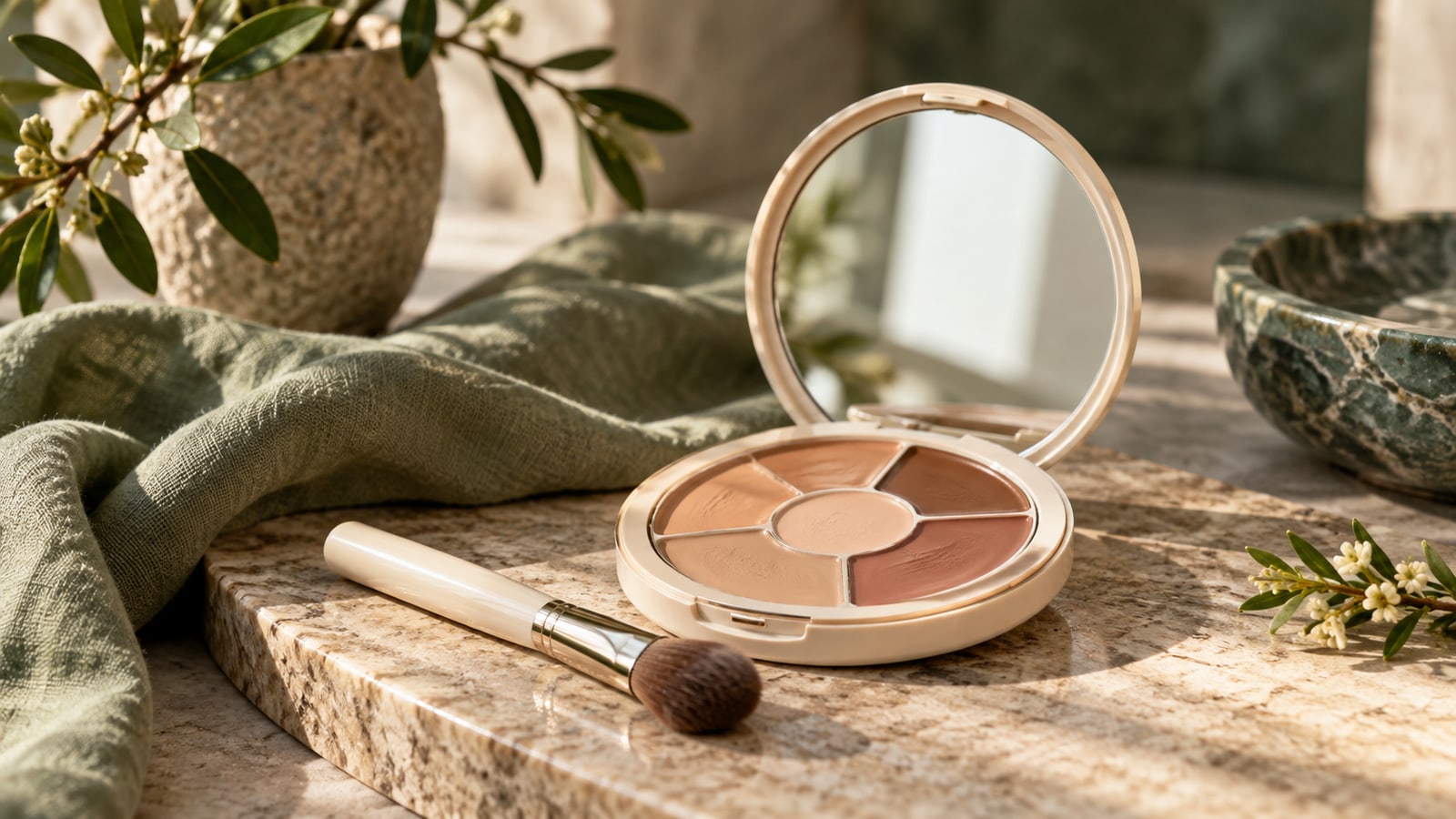
Skin camouflage uses highly pigmented creams and powders to make a visible mark or colour difference less noticeable. It is an option for how you want to look on a particular day, rather than a requirement to hide your skin or a treatment that removes the underlying condition.
Specialist advice can help with colour matching, application and realistic expectations. Availability varies, so it is worth checking current local services instead of relying on an older directory or assuming every referral route is still open.
Key takeaways
- Camouflage changes the visible colour contrast while it is worn.
- It does not flatten raised scars or fill indentations.
- Do not apply it to broken, infected or inflamed skin.
- Colour matching and application advice can be helpful.
- Appointments and prescription access depend on current services and local arrangements.
On this page
- What camouflage can and cannot do
- Keep the choice personal
- Check whether your skin is ready
- What a colour-matching appointment involves
- Check current service availability
- Choose coverage on your terms
- Ask about prescriptions without assuming entitlement
- Fit it into a manageable routine
- Common questions
- Sources and further reading
What camouflage can and cannot do
Changing Faces describes camouflage as a way to reduce the appearance of a scar, mark or skin condition using specialist products. Its guidance is clear that these products do not change skin texture. A raised scar remains raised even if its colour becomes less noticeable.
This distinction helps set a realistic goal. You might want to reduce the contrast of a mark for an event or use coverage regularly. You may also decide that the time and feel of the products do not suit you.
Camouflage does not replace assessment of a new or changing lesion. If you are unsure what a mark is, seek appropriate advice before focusing only on covering it.
Keep the choice personal
Some people appreciate having another option for their appearance; others prefer not to use coverage. Both are reasonable choices. You can use camouflage occasionally, regularly or not at all without making a statement about how confident you ought to be.
Tell the practitioner what you would like help with rather than assuming you need the fullest possible coverage. Your preferred result may be subtle, practical or limited to a particular area.
Our guide to living with visible skin differences discusses support beyond products. Camouflage can be one choice alongside emotional support, without being presented as the solution to other people’s behaviour.
Check whether your skin is ready
Changing Faces states that camouflage should not be applied to infected, inflamed or broken skin. If an area is sore, weeping or still healing after a procedure, ask the treating professional before adding coverage.
The NHS advises seeking help for a scar that is painful or concerning, with urgent advice for features such as warmth, swelling or pus. Do not let a product cover up a change that needs attention.
Bring information about allergies and products that have caused reactions. If you use prescribed creams, ask how camouflage fits around them. Do not change a medical treatment schedule simply to make a cosmetic layer sit more smoothly.
| Topic | Question | What to clarify |
|---|---|---|
| Suitability | Is my skin ready for these products? | Active inflammation, wounds and treatment needs |
| Appearance | What colour difference can coverage reduce? | Texture changes that will remain |
| Practical use | How do I apply and remove it? | Time, tools and products required |
| Access | What services and prescriptions are available locally? | Eligibility, waiting times and ongoing cost |
What a colour-matching appointment involves
The NHS describes a trained professional matching creams and powders to the skin and showing how to use them. Ask whether the appointment includes time for you to practise and whether you will receive written product details.
Tell the practitioner about the situations in which you expect to wear the product. Everyday indoor use, a long event and an area that rubs against clothing raise different practical questions. Ask about transfer, water exposure and removal for the specific formulation.
Take notes on the shade names, product sizes and any mixing advice. Check that you understand which items are essential and which are optional. A short clear list is easier to use later than a photograph of several similar containers.
Check current service availability
At the time of checking on 22 October 2026, Changing Faces lists free face-to-face camouflage appointments at its Bridgend clinic for Welsh residents. Its current request page says in-person appointments are not available through the charity in England, Scotland or Northern Ireland.
That is a description of this charity’s current service, not a statement that no camouflage advice exists elsewhere. Ask your GP or dermatology service about local arrangements and check the charity’s latest information before making travel plans.
If considering a private appointment, ask about practitioner training, the fee, the expected length of the session and whether products are included. Do not assume a remote appointment can provide the same colour match as an in-person assessment; clarify its limits first.
Choose coverage on your terms
- Assess: Check the condition and whether the skin is suitable.
- Match: Explore the shade and level of coverage you prefer.
- Practise: Learn application, removal and product care.
- Review: Adjust the routine if needs or skin condition change.
Ask about prescriptions without assuming entitlement
Changing Faces explains that some products can be obtained on prescription and provides information to discuss with a GP. Availability depends on the product and local arrangements. A recommendation from a camouflage practitioner is not a guarantee that every item will be prescribed.
Ask what you would need to buy yourself and how often supplies are likely to need replacing. Compare the full routine, including any setting or removal products, rather than only the price of one cream.
Keep the product name, shade and pack size accurate when discussing a prescription or purchase. If an item is unavailable, ask for advice rather than assuming a similarly named shade in another range will match.
Fit it into a manageable routine
Follow product-specific instructions for application, removal and storage. Keep applicators clean and avoid sharing them. If the product irritates your skin, stop using it and seek advice rather than repeatedly covering the reaction.
Our guide to trying a new product explains the limits of a home spot test. A small trial does not establish that an allergy is impossible.
Ask how sunscreen should fit into the routine; do not assume cosmetic coverage alone supplies adequate protection. Our guide to sunscreen labels helps you understand the separate information to check.
Common questions
Does camouflage treat the condition?
No. It changes appearance while worn rather than removing the cause.
Can it flatten a raised scar?
No. Colour coverage does not change the underlying texture.
Can I use it on broken or inflamed skin?
No. Seek advice about the skin problem first.
Must I use it every day?
No. The choice and frequency are yours.
Are Changing Faces appointments available throughout the UK?
Its current in-person service is listed for Welsh residents in Bridgend. Check for updates and local alternatives.
Are all products available on prescription?
No. Ask about the specific products and local prescribing arrangements.
Should I keep shade details?
Yes. Record the product, shade and size so future purchases are accurate.
Does coverage replace sunscreen?
Do not assume so. Ask how appropriate sun protection fits your routine.
Sources and further reading
Sources checked 22 October 2026. Service geography and prescription information can change; verify current arrangements before booking.
Keep exploring

Stress and Skin Conditions: Understanding the Connection Without Blaming Yourself
Understand the two-way connection between stress and skin symptoms, with practical support and treatment discussions that avoid blame.

Skin Picking: Recognising When a Habit Needs Professional Help
Recognise when skin picking needs support, prepare for a GP conversation and learn about behavioural care, practical strategies and wound warning signs.

Living with Visible Skin Differences: Finding Practical and Emotional Support
Find practical ways to discuss visible skin differences, set boundaries and explore peer or professional support with current availability in mind.

Body Image and Cosmetic Treatment: Giving Yourself Space to Decide
Give yourself space before cosmetic treatment, clarify expectations and learn when appearance-related distress deserves professional support.