Returning to Exercise After Cosmetic Treatment: Questions for Your Clinician
Prepare a specific return-to-activity discussion covering effort, movement, water exposure, equipment and the healing criteria for your procedure.
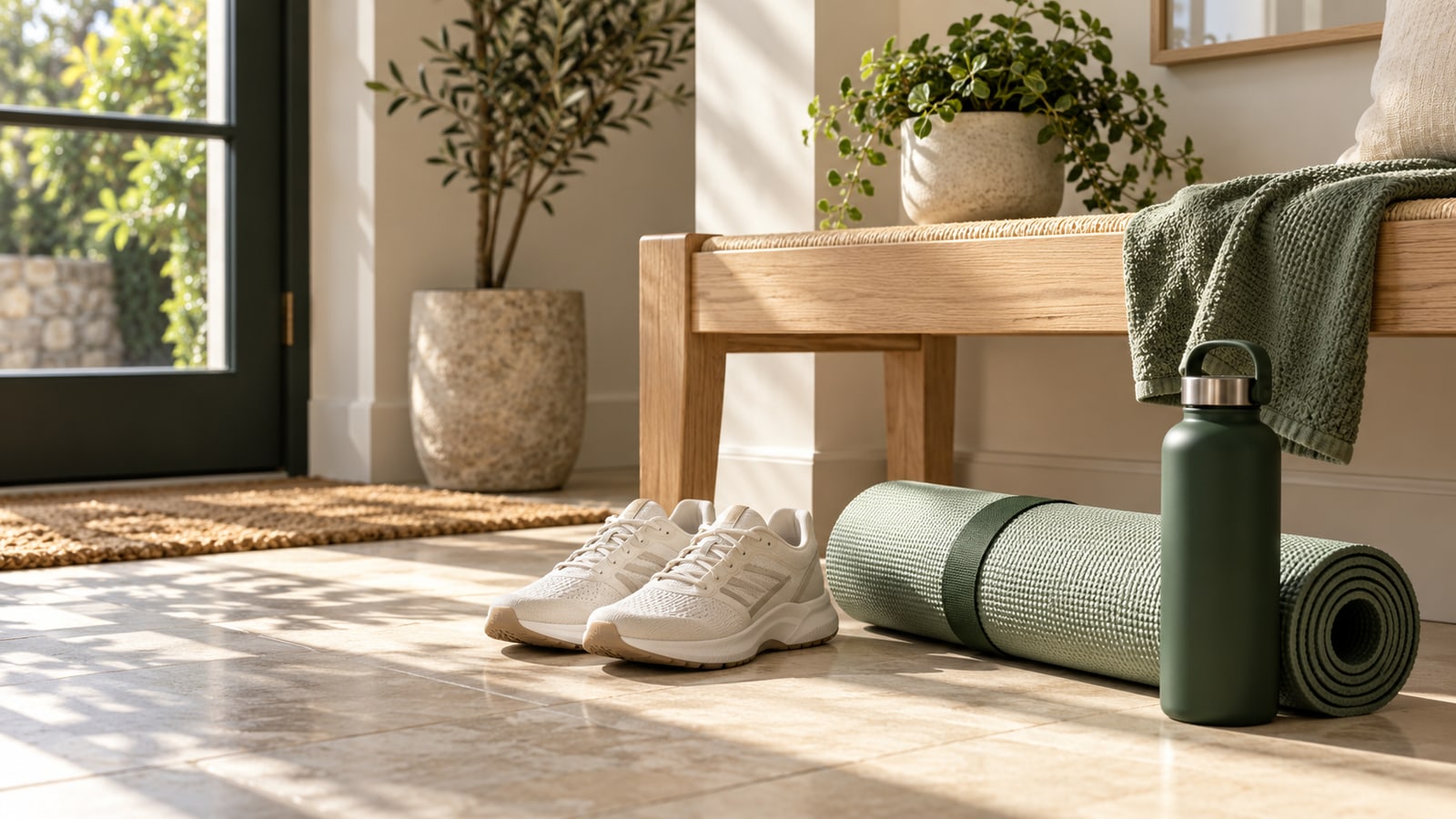
“When can I exercise again?” sounds like a question that should have a single answer. After a cosmetic procedure, it is often too broad. A short walk, a heavy lifting session, swimming and a contact sport place different demands on the body and the treated area.
The useful aim is a written return plan that describes your activities, the procedure and the signs that require review. This guide helps you ask for that plan; it does not provide clearance for exercise after an individual treatment.
Key takeaways
- Name the activity, intensity, equipment and environment when asking about exercise.
- Advice for a surgical wound cannot automatically be applied to a peel or injectable treatment.
- A restriction on strenuous activity does not necessarily mean complete immobility.
- Swimming, friction and pressure may need separate questions from general fitness.
- A planned event should not determine whether your recovery is ready.
On this page
- Describe the actual session you want to resume
- Why procedure and wound location change the answer
- Ask separately about walking and everyday movement
- Swimming needs its own answer
- Build a plan with milestones, not just a calendar date
- What if symptoms change after activity?
- Common questions
- Sources and further reading
Describe the actual session you want to resume
Instead of saying “I go to the gym”, explain what happens there. Do you lift weights, cycle in a heated studio, swim, practise yoga or play a team sport? Mention how long a session lasts, whether it includes straining or bending and whether equipment presses on the treatment area.
Include activities outside formal exercise. Carrying children, moving stock at work, gardening and cycling to the station may be relevant to the same restrictions. A plan that mentions only gym attendance can leave the most demanding part of your day unaddressed.
Write down a typical week before the consultation. Mark commitments that can be postponed and those for which you need help. This turns a vague discussion about downtime into practical decisions about transport, work and daily responsibilities.
Why procedure and wound location change the answer
Cambridge University Hospitals’ skin-surgery advice warns that bending, straining and heavy lifting can cause a wound to open or bleed. It advises avoiding vigorous activity until stitches are removed and the affected area has healed. This is guidance for skin surgery, not a universal timetable for all cosmetic treatments.
Ask how your specific movement affects the treated area. A shoulder wound may raise different questions about reaching and lifting from a wound on the leg. You do not need to calculate those forces yourself; explain the movement and ask the treating team to translate it into a restriction or an allowed alternative.
For procedures without stitches, the absence of a stitched wound still does not supply an exercise clearance. Ask for the rationale relevant to the actual treatment and products or device used. Our chemical peel guide and microneedling guide show why a precise treatment description matters.
| Activity detail | Example | Question to ask |
|---|---|---|
| Effort and straining | Heavy lifting or intense intervals | What intensity or load restriction applies to me? |
| Movement of the area | Reaching, twisting or deep bending | Which movements could disrupt my recovery? |
| Water exposure | Pool swimming or open-water training | What healing milestone is required before immersion? |
| Contact and equipment | Helmet, goggles, straps or contact sport | Should pressure or friction on this area be avoided? |
| Environment | Heated studio or outdoor endurance session | Do heat, sun exposure or the setting change the advice? |
Ask separately about walking and everyday movement
The NHS guide to recovery after surgery encourages gradual activity within medical advice and recommends asking the doctor which exercises to do. It also warns against immersing a wound until it is healed or the doctor says it is safe. Recovery advice should therefore distinguish appropriate movement from activity that places unwanted stress on a healing area.
If you are told to rest, ask what that means in your circumstances. Can you move around the home, take a short walk or climb stairs? Does the answer change after a review? Avoid interpreting a restriction on strenuous exercise as an instruction to remain completely still, or treating permission for gentle movement as permission for training.
For larger operations, ask whether you have a specific mobilisation or physiotherapy plan. Follow that plan rather than applying instructions from somebody else’s cosmetic procedure. Tell the team about any pre-existing mobility problem that makes their suggested movements difficult.
Swimming needs its own answer
Chelsea and Westminster’s skin-surgery guidance advises avoiding swimming until a wound has healed. It also restricts strenuous exercise while sutures remain. Those are separate considerations: reaching a planned stitch-removal date does not mean you should ignore the condition of the wound.
Ask whether a dressing is intended to tolerate ordinary washing or actual immersion. Do not assume that a product advertised as waterproof changes the clinical advice. Mention whether you swim in a pool, sea or lake, and ask the treating team for the relevant clearance criteria.
If a holiday or competition includes swimming, raise it before booking treatment. Rescheduling an elective procedure may be simpler than trying to negotiate around a recovery plan afterwards.
Build a plan with milestones, not just a calendar date
University Hospitals Sussex’s minor-surgery information gives restrictions linked to stitches and the operation, and notes that some patients need a longer break from exercise. Differences between hospital leaflets are a reminder that general advice must be applied to the particular wound and procedure.
Ask what must be true before each step: a review completed, a wound healed, symptoms settled or a specific restriction lifted. Write the team’s actual instructions rather than inventing your own milestone. Clarify who can confirm readiness if the scheduled return date arrives but recovery is slower than expected.
Include training, travel and physical tasks at home or work.
Write permitted activities, restrictions and the reasons given by your clinician.
Use the agreed review or healing criteria before increasing activity.
What if symptoms change after activity?
Stop the activity and follow your aftercare instructions if it causes concerning pain, bleeding or another unexpected change. Tell the clinic what you did, when symptoms began and whether they are worsening. Do not use pain relief simply to push through a restriction or cover up a new problem.
Our post-procedure warning-sign guide explains urgent escalation. For planning, keep the contacts from your aftercare plan available during the first return to activities, including what to do outside clinic hours.
Common questions
Is there one waiting period for all cosmetic treatments?
No. The procedure, treatment area, recovery and activity all matter. A universal number of days can hide the details that determine your individual advice.
Does “no gym” include a gentle walk?
Ask what the instruction means. A gym restriction may concern effort, straining or particular movements, but only your treating team can clarify what is permitted in your situation.
Can I train if the area no longer hurts?
Comfort alone is not the same as clearance. Follow the agreed healing or review criteria; do not replace them with a single symptom check.
Are stitches being removed the only milestone?
No. Ask about the condition of the wound and any continuing restrictions. Skin-surgery guidance often considers healing as well as stitch removal.
Can a waterproof dressing let me swim sooner?
Do not assume so. Ask specifically about immersion and the wound. A dressing’s marketing description should not override your clinician’s recovery advice.
Should I mention a physically demanding job?
Yes. Describe lifting, bending, heat, protective equipment and shift length. Work may involve the same demands as exercise even if it is not described as training.
What if I have a race or holiday booked?
Discuss it before treatment and allow for changes in recovery. Consider moving the elective treatment or event rather than treating a booking as evidence that you will be ready.
Who should decide when I can increase intensity?
Use the plan from the team responsible for your treatment, including any arranged review. A trainer can help adapt a permitted programme but should not replace clinical clearance.
Sources and further reading
Checked 21 October 2026. Surgical examples illustrate why individual instructions matter; they are not recovery schedules for all cosmetic treatments. No clinical review is claimed.
Keep exploring

Living with Visible Skin Differences: Finding Practical and Emotional Support
Find practical ways to discuss visible skin differences, set boundaries and explore peer or professional support with current availability in mind.

Body Image and Cosmetic Treatment: Giving Yourself Space to Decide
Give yourself space before cosmetic treatment, clarify expectations and learn when appearance-related distress deserves professional support.

Skin Picking: Recognising When a Habit Needs Professional Help
Recognise when skin picking needs support, prepare for a GP conversation and learn about behavioural care, practical strategies and wound warning signs.

Social Media Skin Filters: Setting Realistic Expectations for Your Own Skin
Put filtered skin images in context, assess product claims and recognise when appearance comparisons are affecting your wellbeing.