Make-Up After Skin Treatment: Hygiene and Timing Questions to Ask
Plan make-up timing, product hygiene and gentle removal around the instructions for your procedure and recovery.
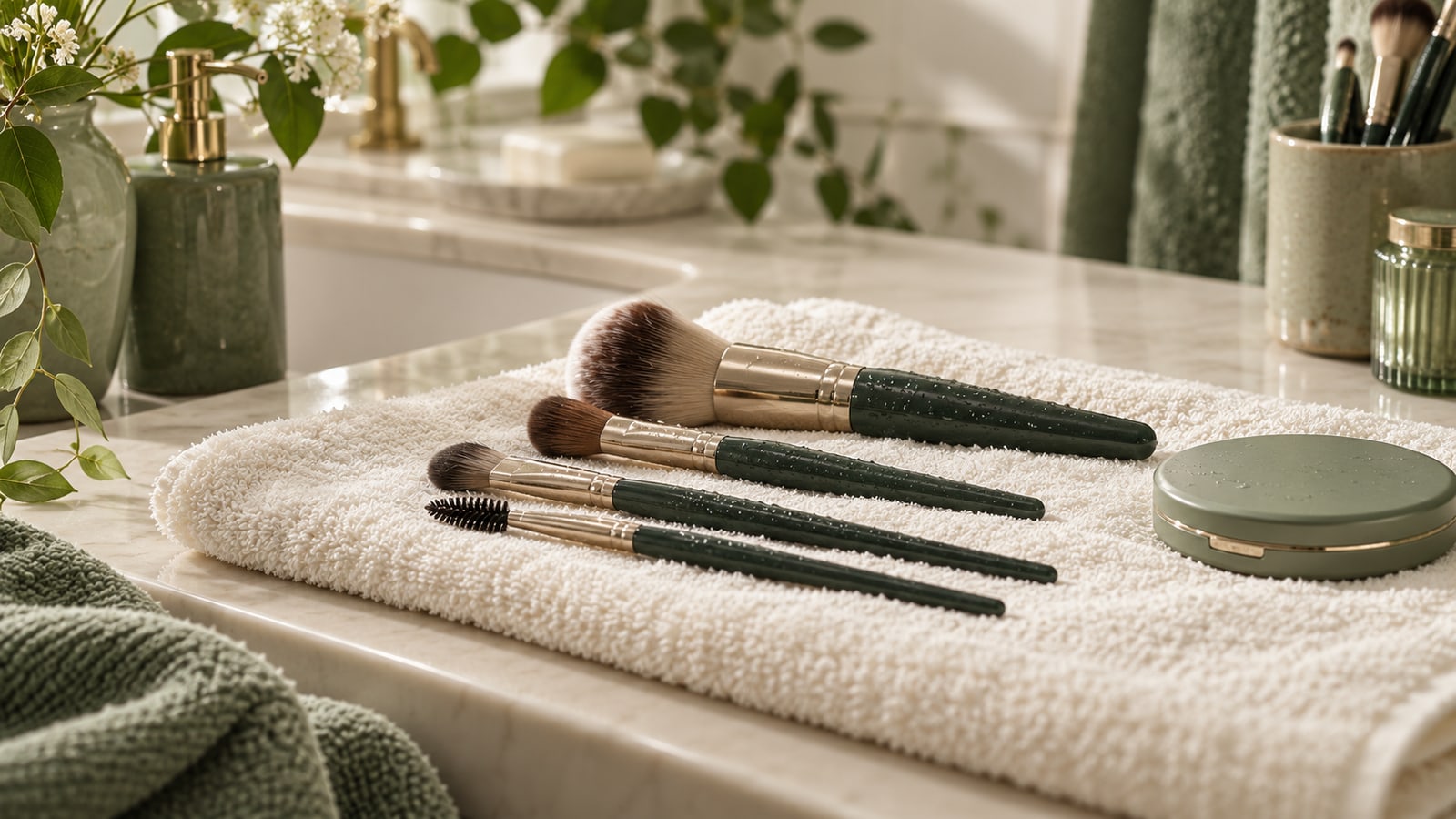
Make-up after a skin treatment raises two separate questions: when is the treated area ready, and how will the products and tools be kept clean? A fresh brush does not make an unhealed area ready for foundation, while permission to resume cosmetics does not remove the need for hygiene.
The answer depends on the procedure and your recovery. Ask for instructions before treatment, particularly if you have work, photographs or an event approaching. A plan made in advance is easier to follow than a last-minute attempt to conceal a reaction.
Key takeaways
- Get timing advice for the exact procedure and treated area.
- Do not apply ordinary make-up over an open wound or against wound-care instructions.
- Clean tools, clean hands and suitable product storage remain important after clearance.
- “Mineral”, “natural” or “breathable” does not establish suitability for healing skin.
- Ask about removal as well as application, and report worsening symptoms.
On this page
- Why timing varies between procedures
- Ask about the exact area and products
- Cleanliness is useful; it is not sterility
- Prepare brushes and sponges before you need them
- Think through the end of the day
- Plan events and professional make-up appointments honestly
- Do not cover a concerning change instead of seeking advice
- Common questions
- Sources and further reading
Why timing varies between procedures
The American Academy of Dermatology advises waiting 24 hours before applying make-up after microneedling. Its chemical-peel guidance gives different expectations according to peel depth. These are procedure-specific examples, not permission to use one timetable after every treatment.
Your clinician may give a longer or otherwise different instruction based on the treatment and skin response. Ask whether clearance depends on an examination, the absence of a particular wound-care stage or another defined condition. If recovery changes, the original estimate may need review.
Our aftercare planning guide helps record instructions and contacts. Put make-up on that list even if it feels like a small question; the answer can affect how you organise the following days.
Ask about the exact area and products
A full-face procedure and a small treated patch are different situations. Ask which areas should remain free of cosmetics and whether products applied nearby could spread onto them. Do not assume that avoiding direct application is enough if a brush or remover will still pass over the site.
Take the names of foundation, concealer, primer, setting products and removers to the consultation. Include products containing exfoliating ingredients or retinoids. The word “make-up” can hide several different formulations and a much longer routine than the clinician expects.
| Decision | Question to ask | Detail to record |
|---|---|---|
| Timing | When can cosmetics touch this area? | Procedure-specific instruction or review point |
| Product | Is this exact formula suitable? | Name and any restrictions |
| Tools | What cleaning or single-use arrangements are needed? | Advice appropriate to the recovery stage |
| Removal | How should the product be removed? | Suitable cleanser and handling instructions |
| Problems | What reaction needs a call? | Contact route and urgency |
Cleanliness is useful; it is not sterility
The FDA advises washing hands before applying cosmetics, keeping containers clean and not sharing products. It also warns against adding water or saliva, which can introduce microorganisms and interfere with the preservative system. Store products according to their instructions.
These are general cosmetic-hygiene principles. They do not make an ordinary product sterile or suitable for an open treatment wound. If the clinical team has supplied a dressing or specific wound-care product, keep following that plan rather than substituting a concealer.
A new product is not automatically a better option than a familiar one cleared by the clinic. Newness, packaging colour and a reassuring marketing label do not answer the question of suitability. Ask for a reason if a particular product is required.
Prepare brushes and sponges before you need them
The AAD recommends regular brush cleaning and describes rinsing the tips, washing them with a suitable shampoo, rinsing thoroughly and letting them dry flat with the tips beyond the edge of the surface. Follow the tool manufacturer’s care instructions as well, particularly for specialised materials.
Build drying time into the plan rather than washing a tool immediately before rushing out. Keep clean tools apart from used ones. For sponges, follow the cleaning and replacement instructions rather than assuming that a quick surface rinse has made them ready.
Ask the treating team whether general cleaning is sufficient for your stage of recovery or whether they want a different approach. A standard everyday cleaning interval is not a wound-care protocol and should not override the instructions after a procedure.
Think through the end of the day
A product may be easy to apply but difficult to remove without rubbing. Before choosing heavy coverage, ask how it will be taken off while following your aftercare plan. Waterproof or long-wear claims describe performance, not suitability for newly treated skin.
Our skincare restart guide helps identify ingredients and routines that need separate clearance. A cleansing step should not quietly reintroduce an exfoliant that the clinic asked you to pause.
If removal causes discomfort or a product stings, do not solve the problem by repeatedly scrubbing the area. Follow the clinic’s advice and contact them if symptoms persist or the plan is unclear. Keep the product details available for that conversation.
Plan events and professional make-up appointments honestly
Use the clinical instruction for the procedure, area and healing stage.
Follow hygiene and storage instructions without assuming sterility.
Check the full routine and know whom to contact if problems develop.
If a make-up artist is involved, share the relevant restrictions with them and discuss their hygiene arrangements. A professional application cannot overrule a medical instruction to leave an area uncovered. If the timing does not fit, changing the appointment or procedure date may be the more workable choice.
For an important event, ask how much uncertainty remains in recovery. The work and social recovery guide explains why an estimated return to usual activities is not a guarantee of being ready for close-up photography.
Do not cover a concerning change instead of seeking advice
Make-up should not become a way to avoid reporting worsening pain, spreading inflammation, discharge or feeling unwell. NHS wound-care guidance identifies these as reasons to seek clinical advice. Use the clinic’s urgent contact route, or seek NHS help when appropriate.
Our post-treatment symptoms guide helps prepare a clear account. Tell the clinician what has changed and which products have touched the area. Cosmetic coverage can wait until the concern has been assessed.
Common questions
Can I use the 24-hour microneedling advice after every procedure?
No. It is a specific example from AAD guidance. Follow the instructions for your own treatment and recovery, which may require a different interval.
Is mineral make-up automatically safe on healing skin?
No. The label does not establish wound suitability or sterility. Ask about the exact product and wait until cosmetics are cleared for the area.
Can I cover an open treatment site with concealer?
Do not apply ordinary cosmetics over an open wound or replace the prescribed wound-care plan. Ask the clinical team what is appropriate.
Should I share a brush if it looks clean?
No. Appearance does not establish hygiene. Keep personal tools and products separate and follow appropriate cleaning instructions.
Does buying a new foundation guarantee suitability?
No. A new product still has its own formulation and limitations. Check it with the clinic rather than relying on new packaging or marketing claims.
Why ask about make-up remover?
Removal may involve ingredients or rubbing that conflict with aftercare. Agree the whole routine, not only the product applied in the morning.
Can a make-up artist clear me to wear cosmetics?
The treating clinical team should decide readiness after the procedure. An artist can help with application and hygiene once that clearance is in place.
What if the skin reaction is getting worse?
Seek advice rather than covering it. Explain the procedure, timing, symptoms and products used, and follow the clinic’s instructions for urgent contact.
Sources and further reading
Sources checked 21 October 2026. General hygiene guidance does not replace procedure-specific wound care. Clinical review is not claimed.
Keep exploring

Living with Visible Skin Differences: Finding Practical and Emotional Support
Find practical ways to discuss visible skin differences, set boundaries and explore peer or professional support with current availability in mind.

Body Image and Cosmetic Treatment: Giving Yourself Space to Decide
Give yourself space before cosmetic treatment, clarify expectations and learn when appearance-related distress deserves professional support.

Skin Picking: Recognising When a Habit Needs Professional Help
Recognise when skin picking needs support, prepare for a GP conversation and learn about behavioural care, practical strategies and wound warning signs.

Social Media Skin Filters: Setting Realistic Expectations for Your Own Skin
Put filtered skin images in context, assess product claims and recognise when appearance comparisons are affecting your wellbeing.