Hand Dermatitis: Managing Skin Irritation from Frequent Washing
Understand hand irritation from frequent washing, practical skin care and when persistent symptoms need assessment.
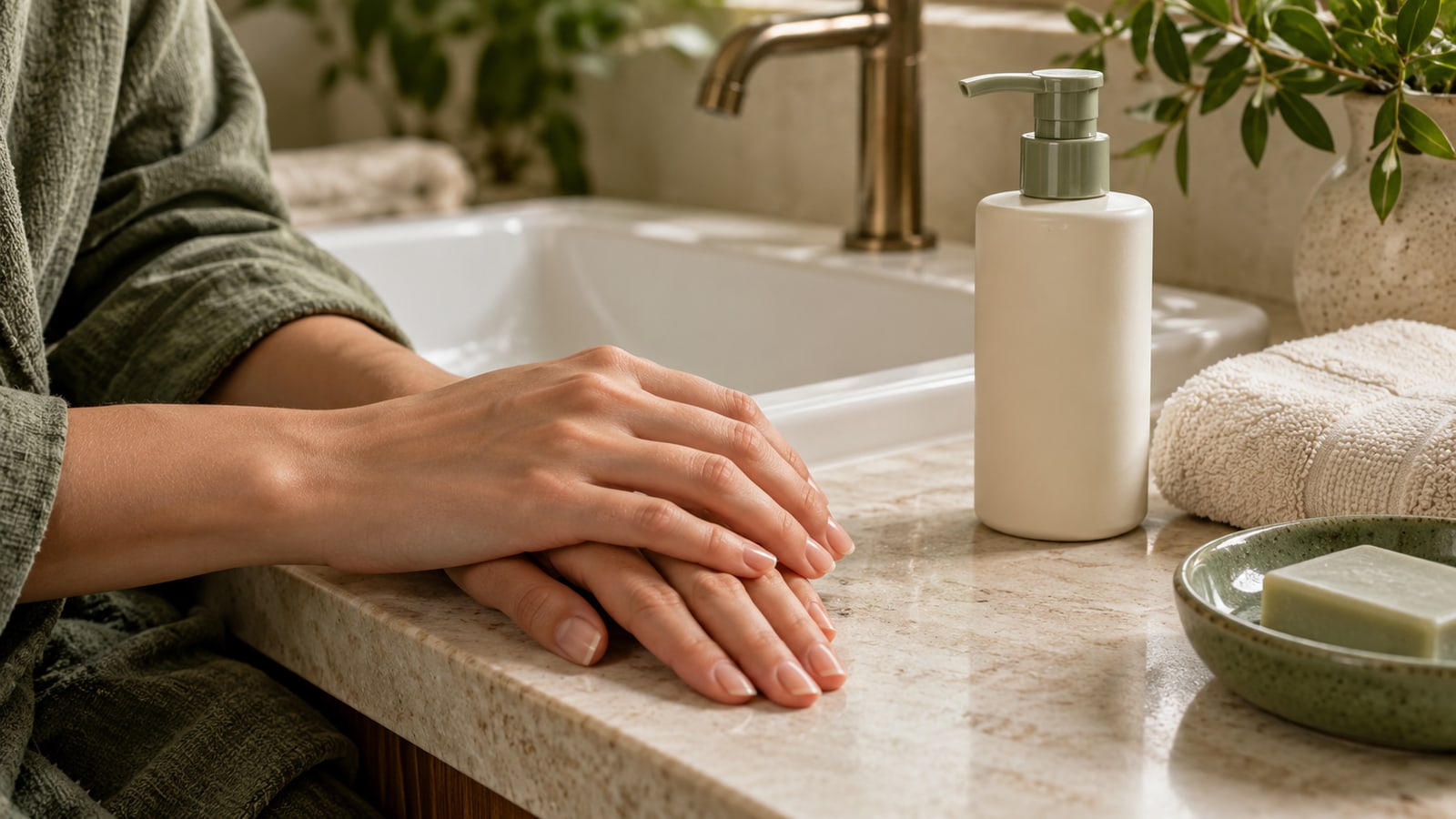
Frequent washing, cleaning products and repeated wet work can leave hands dry, sore and cracked. Hand dermatitis is more than a cosmetic inconvenience: it can make cooking, working, sleeping and ordinary touch uncomfortable. Early advice can help prevent a cycle of irritation and worsening skin damage.
The aim is to protect the skin while maintaining necessary hygiene. Do not abandon infection-control requirements or workplace protective measures. Instead, review how washing, drying, moisturising and exposure protection fit together.
Key takeaways
- Repeated water and detergent exposure can contribute to hand dermatitis.
- Dryness, cracks, itch or soreness deserve attention before they become severe.
- Moisturiser supports skin care but does not replace protective gloves against chemicals.
- Persistent symptoms may need prescribed treatment or investigation for contact allergy.
- Rapid worsening, discharge, increasing pain or feeling unwell requires prompt medical advice.
On this page
Understand the pattern of exposure
The British Association of Dermatologists describes repeated contact with water and irritants as a risk for hand dermatitis. Soap, detergents, cleaning chemicals and some work materials can contribute. More than one exposure may be involved, particularly when hands move between wet tasks throughout the day.
Allergic contact dermatitis is another possibility. A clinician may consider ingredients in products or glove materials when the history suggests an allergy. Our contact-dermatitis guide explains why irritation and allergy are related but different questions.
Write down what your hands encounter at work and home, including products used only occasionally. Note whether symptoms improve during time away from a task. That pattern can help the clinician, but it does not prove that a single product is responsible.
Improve washing without compromising hygiene
HSE advice for frequent hand cleaning recommends cool or tepid water, thorough rinsing and gentle drying. Patting with a suitable clean towel or soft paper is preferable to repeatedly rubbing sore skin. Pay attention to areas between fingers where moisture can remain.
BAD hand-care advice includes using an appropriate soap substitute for routine skin care and applying emollient after washing. However, a skin-care substitute does not automatically meet every infection-control requirement. In healthcare, food handling or another regulated task, ask occupational health or the relevant team which products are compatible with the required hand-hygiene process.
If a mandatory product stings or worsens symptoms, report the problem rather than silently skipping the process. The practical question is how to maintain protection while making the routine tolerable. Ask whether an approved alternative or a change in task organisation is available.
Make moisturising practical
BAD recommends applying emollients repeatedly, including after handwashing and when the skin feels dry. A product that you can actually keep nearby and use is more helpful than an elaborate routine that is impossible during a working day.
Different textures may suit different times. Discuss a comfortable daytime option and whether a richer product is useful when you are not handling objects. If a product causes persistent irritation, ask a pharmacist or clinician about an alternative rather than assuming every moisturiser will feel the same.
Check compatibility with protective gloves and workplace requirements. Keep containers clean and follow storage and use instructions. NHS guidance also warns that emollient residue on clothing, bedding or dressings can increase fire risk: keep affected fabrics away from smoking, flames and other ignition sources.
| Task | Possible issue | Useful question |
|---|---|---|
| Frequent washing | Repeated exposure and incomplete drying | Can the required process be made gentler? |
| Cleaning | Direct chemical contact | Which protective gloves and tools fit the task? |
| Long glove use | Heat, sweat or a material reaction | Are liners, suitable breaks or another material appropriate? |
| Moisturising | Product inaccessible or uncomfortable | Which practical formula fits the work routine? |
| Persistent rash | Uncontrolled inflammation or possible allergy | Do I need treatment or further investigation? |
Choose protection for the actual task
Gloves need to match the substance and work being done. HSE emphasises that a moisturising or so-called barrier cream is not a true chemical barrier. It cannot replace appropriate protective equipment when skin contact with a harmful substance must be prevented.
Ask about glove material, fit, safe changing and disposal, and what to do if the inside becomes damp. Suitable cotton liners or planned glove breaks may help in some tasks, but they must be compatible with the work and hygiene requirements. Do not improvise changes that leave a hazardous exposure unprotected.
If gloves themselves appear to provoke symptoms, tell occupational health or a clinician. Repeatedly buying a different box without understanding the material may not resolve an allergy. Keep the packaging details so that a suspected trigger can be investigated accurately.
Seek treatment when skin care is not enough
Hand dermatitis may need prescribed anti-inflammatory treatment. BAD describes topical steroids as a common option, used according to professional instructions. The choice depends on the affected skin and severity; a friend’s prescription or an old tube is not a substitute for a current assessment.
Ask where to apply treatment, how long to use it and how it fits with moisturiser. Follow the specific directions rather than assuming that more frequent application will work faster. Arrange a review if the plan is not controlling symptoms or is difficult to follow.
Persistent or recurrent dermatitis may prompt investigation for contact allergy. Our patch-testing distinction guide explains why trying products on a small area at home is not the same as a specialist allergy investigation.
Recognise deterioration
NHS contact-dermatitis guidance advises prompt medical help for a severe reaction or suspected infection. Warning changes include rapidly worsening symptoms, discharge, increasing pain or feeling generally unwell. Do not repeatedly cover a deteriorating area with more cosmetic product and hope it settles.
Explain when the change occurred and what has been applied. If a chemical exposure caused an acute injury, follow the product’s emergency instructions and seek appropriate urgent help. Routine hand-eczema care is not a replacement for managing a chemical burn.
Make work and home changes sustainable
Ask whether tools, task rotation or a different cleaning process can reduce unnecessary direct contact. At home, consider which jobs can be shared or done with appropriate equipment. The goal is a workable reduction in irritation, not an impossible promise never to wet your hands.
Tell the clinician about effects on sleep, work and daily function. These details help show severity beyond the appearance of a photograph. A simple note of exposures and symptoms can make a follow-up appointment more focused.
Our fragrance and label-claims guide may help when comparing products. Marketing descriptions cannot replace a known-allergen avoidance plan or the practical requirements of your workplace.
Identify wet work, products and glove use.
Wash appropriately, dry gently and moisturise.
Address persistent inflammation and urgent deterioration.
Common questions
Should I stop necessary handwashing?
No. Maintain required hygiene and ask how products, drying and moisturising can be adjusted to protect the skin.
Does moisturiser replace chemical-protection gloves?
No. Appropriate equipment is needed for the exposure. A cream is not a reliable chemical barrier.
Can gloves worsen dermatitis?
Heat, dampness or a material allergy can contribute. Discuss suitable alternatives and work practices rather than abandoning protection.
How often should I moisturise?
Use an appropriate emollient regularly, including after washing and when dry, following any workplace or clinical instructions.
Should I borrow a steroid cream?
No. Ask for treatment suited to your hands and current symptoms, with clear use and review instructions.
Can a home product trial diagnose allergy?
No. Specialist patch testing answers a different question and may be considered when persistent dermatitis needs investigation.
When should I seek prompt help?
Rapid worsening, discharge, increasing pain or feeling unwell should be assessed rather than treated as ordinary dryness.
Does the effect on work matter?
Yes. Explain functional difficulties and ask occupational health or your clinician about a practical protection plan.
Sources and further reading
Sources checked 22 October 2026. Skin-care advice does not replace infection-control or chemical-protection requirements. Clinical review is not claimed.
Keep exploring

Hidradenitis Suppurativa: Recognising Symptoms and Finding Support
Recognise recurring painful lumps, understand HS without stigma and prepare questions about treatment, wound care and support.

Sunburn: Sensible First Steps and Signs You Need Medical Advice
Learn sensible first steps for sunburn, when to seek urgent advice and how to recognise heat illness that needs emergency help.

Vitiligo: Pigment Changes, Treatment Choices and Support
Understand vitiligo, assessment, sun protection and treatment choices, with practical questions and support without pressure to change your appearance.

Persistent Itching Without an Obvious Rash: When to Get It Checked
Understand persistent itching without a visible rash, what to tell a GP, gentle comfort measures and symptoms needing prompt medical advice.