Facial Oils and Moisturisers: Different Roles in a Skincare Routine
Compare facial oils and moisturisers by function, texture and tolerance, and understand why essential oils and natural claims need careful attention.
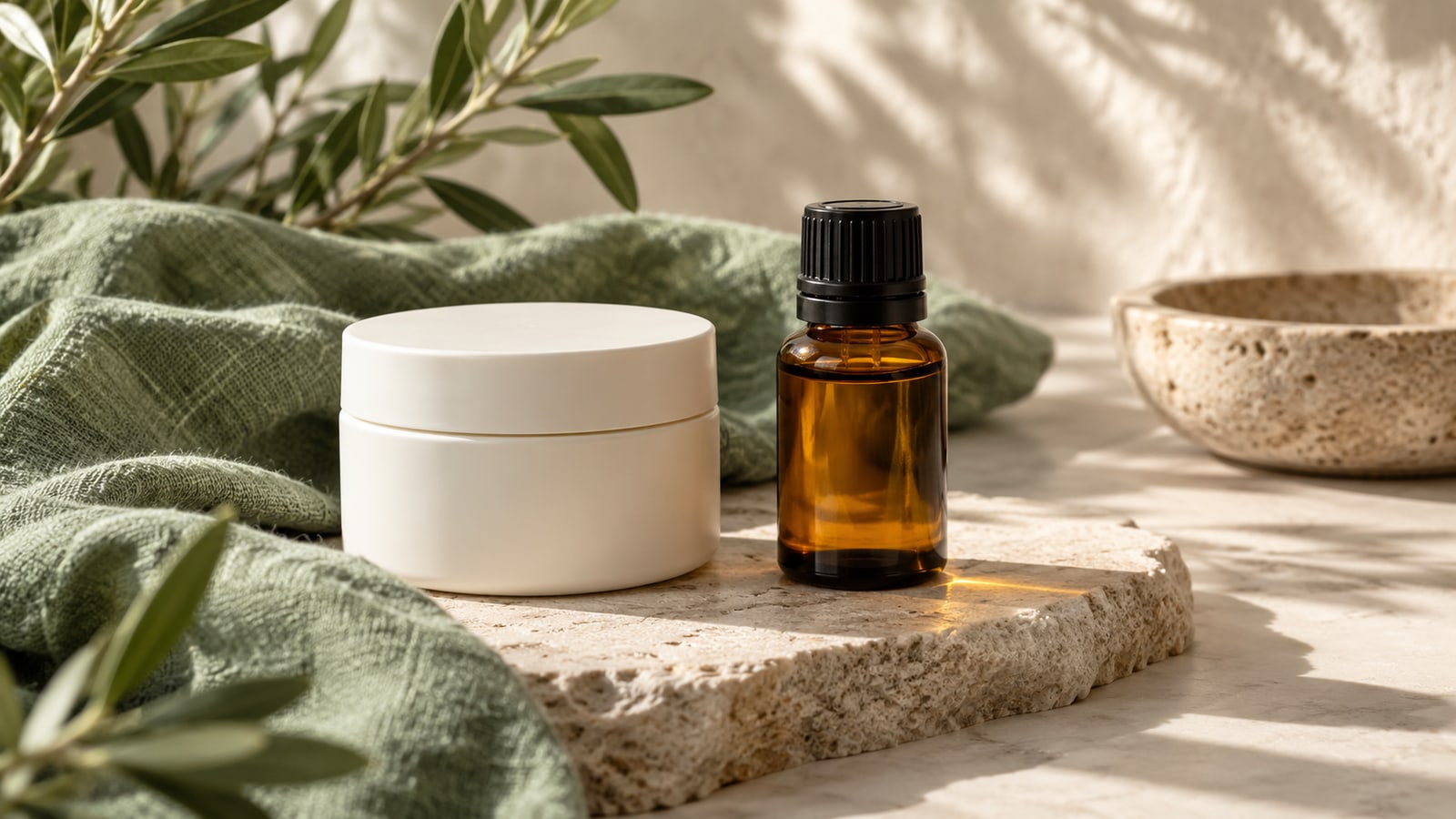
A facial oil and a moisturiser can both make skin feel softer, but they are not automatically interchangeable. The useful question is what the whole formula does for your skin, rather than whether the packaging calls it nourishing, hydrating or natural.
Some people enjoy an oil as an optional addition. Others find that a suitable cream or lotion already does everything they need. This guide explains the different roles, how to compare products and when persistent dryness needs more than another layer.
Key takeaways
- Moisturising products can combine several functions within one formula.
- An oil-based product is not automatically equivalent to a cream or lotion.
- Texture, tolerance and your existing routine matter more than a luxury label.
- Essential oils and ordinary emollient oils are different categories.
- Persistent irritation or dryness deserves assessment rather than endless product additions.
On this page
- Understand the jobs inside a moisturiser
- Compare the whole product
- Decide whether an extra oil solves a real problem
- Keep essential oils separate in your thinking
- Fit products around treatment and sun protection
- Pay attention to tolerance
- Know when another purchase is not the next step
- Common questions
- Sources and further reading
Understand the jobs inside a moisturiser
DermNet describes three useful ingredient roles. Humectants attract and retain water, emollients soften and smooth the skin, and occlusive ingredients reduce water loss from its surface. A single moisturiser can contain ingredients serving more than one of these purposes.
Glycerine is one example of a humectant. Ingredients such as mineral oil or dimethicone can help reduce water loss. These descriptions explain functions, not a ranking in which the longest ingredient list is necessarily best.
A facial oil may mainly contribute an oily, softening layer, but products vary. Some contain blends or other ingredients, and marketing names do not reliably describe composition. Read the ingredient list and directions rather than assuming that every oil supplies the same combination of functions as your existing moisturiser.
Compare the whole product
The American Academy of Dermatology explains that lotions, gels, creams and ointments have different textures and oil content. A richer cream or ointment can be helpful for dry skin, while a lighter product may be more comfortable for someone whose skin is oily.
That does not mean you must buy several textures or replace everything when the season changes. Start with the concern you are trying to address. Is the skin tight after cleansing, flaky in certain places, uncomfortable throughout the day or simply less shiny than you would like?
Those are different observations. A glossy finish is not a clinical measurement of hydration, and a product that feels rich may still be unsuitable for your skin. Judge comfort and tolerability alongside appearance, rather than treating shine as proof that the barrier has been repaired.
Decide whether an extra oil solves a real problem
If your current moisturiser leaves your skin comfortable, there may be no reason to add an oil. An extra step can increase expense and make it harder to identify a product that causes irritation. Optional products should earn their place through a clear benefit you actually notice.
If your skin remains dry, first look at the whole routine. Harsh cleansing, too many active products or an unsuitable moisturiser may need attention. Adding an oil over an irritating routine does not necessarily solve the underlying issue.
Our guide to a simple skincare routine can help you review the essentials. Consider changing one thing at a time, with advice if you have a diagnosed condition or prescribed treatment.
| Your situation | Useful question | What to avoid assuming |
|---|---|---|
| Comfortable skin on a simple routine | What would an extra product add? | Everyone needs a facial oil |
| Dryness despite several layers | Could the routine or a skin condition need review? | More layers always solve dryness |
| Oily or spot-prone skin | Which texture and formula are suitable? | All oils behave identically |
| Previous reactions to fragrance | Does this formula contain aromatic ingredients? | Natural means unlikely to irritate |
Keep essential oils separate in your thinking
Essential oils are aromatic substances extracted from plants. They are different from simply describing a moisturising formula as oil-based. DermNet notes that essential oils can cause allergic contact dermatitis and that undiluted application can lead to sensitisation.
A pleasant smell is not evidence of skin benefit, and plant origin does not make a product allergy-proof. Do not use neat essential oils as a homemade substitute for a formulated facial moisturiser. A shop-bought blend also needs to be assessed by its actual ingredients and your history.
If you react to scented products, our guide to fragrance in skincare explains why label wording needs careful interpretation. Keep packaging when seeking advice, so a pharmacist or clinician can review the full list rather than only the product name.
Fit products around treatment and sun protection
Prescribed products come with their own instructions. Ask how a moisturiser or optional oil should fit around them, particularly if you are treating eczema, acne or another condition. Do not mix a medicine into a cosmetic to make application feel easier unless the prescriber has specifically advised it.
The same practical caution applies to sunscreen: use it according to its instructions rather than making your own mixture with facial oil. A product with a pleasant daytime finish should not displace the protection you need.
Our skincare product-order guide discusses sequencing without treating a generic routine as more important than prescription directions. If layering causes pilling or discomfort, simplify the routine and ask about the products involved.
Pay attention to tolerance
Stop an optional cosmetic if it causes persistent burning, itching or a rash, and seek advice when symptoms are significant or do not settle. Do not interpret discomfort as proof that the oil is detoxifying the skin or that you need to apply more.
A small-area home trial may help reveal obvious intolerance, but it cannot guarantee that a product will suit the whole face or rule out allergy. Introduce products cautiously and avoid several simultaneous changes, especially when your skin is already irritated.
For people using emollients regularly, follow the relevant safety advice. NHS guidance warns that residue on clothing or bedding can make fabrics ignite more easily. Keep away from smoking and naked flames; washing does not necessarily remove every trace of residue.
Know when another purchase is not the next step
Persistent cracking, inflammation, itch or a recurring facial rash should be discussed with a healthcare professional. A cosmetic label cannot establish whether the problem is simple dryness or a condition needing specific treatment.
Prepare a short list of what you use, where symptoms occur and when they began. Include cleansers, sunscreen, medicines and occasional products, not just the oil you most recently purchased. A clear timeline is often more useful than trying to identify a single ingredient yourself.
The aim is a routine that is comfortable, understandable and sustainable. A basic product that meets your needs is a reasonable choice. There is no requirement to progress from lotion to serum to oil as though more steps demonstrate better care.
Separate dryness, irritation and preference for texture.
Look beyond the oil or moisturiser label.
Keep useful steps and seek help for persistent symptoms.
Common questions
Does everyone need a facial oil?
No. A suitable moisturiser may already meet your needs without an additional step.
Is an oil automatically more nourishing than a cream?
No. Marketing language does not establish how the complete formula works or whether it suits you.
Can a moisturiser contain oil?
Yes. Product categories overlap, and many moisturisers combine ingredients with different functions.
Are essential oils the same as facial oils?
No. Essential oils are aromatic plant extracts, although some facial-oil blends contain them.
Does natural mean safe for sensitive skin?
No. Plant-derived ingredients can still cause irritation or allergy.
Should I add oil if my skin stings?
Do not automatically add more products. Review possible irritation and seek advice if symptoms persist or are substantial.
Can I mix oil into sunscreen?
Use sunscreen as directed rather than altering the formula yourself.
What should I bring when asking for advice?
Bring product names or packaging, your symptom timeline and details of any prescribed treatment.
Sources and further reading
Sources checked 22 October 2026. Formulations differ; no individual product is endorsed. Clinical review is not claimed.
Keep exploring
A Simple Skincare Routine: The Essentials Before You Add More Products
A practical starting point for cleansing, moisturising and sun protection, with room for your skin’s needs and your budget.
How to Choose a Facial Cleanser for Your Skin’s Needs
Choose a facial cleanser by its purpose, instructions and comfort, with practical checks for labels, budget and your existing skincare.
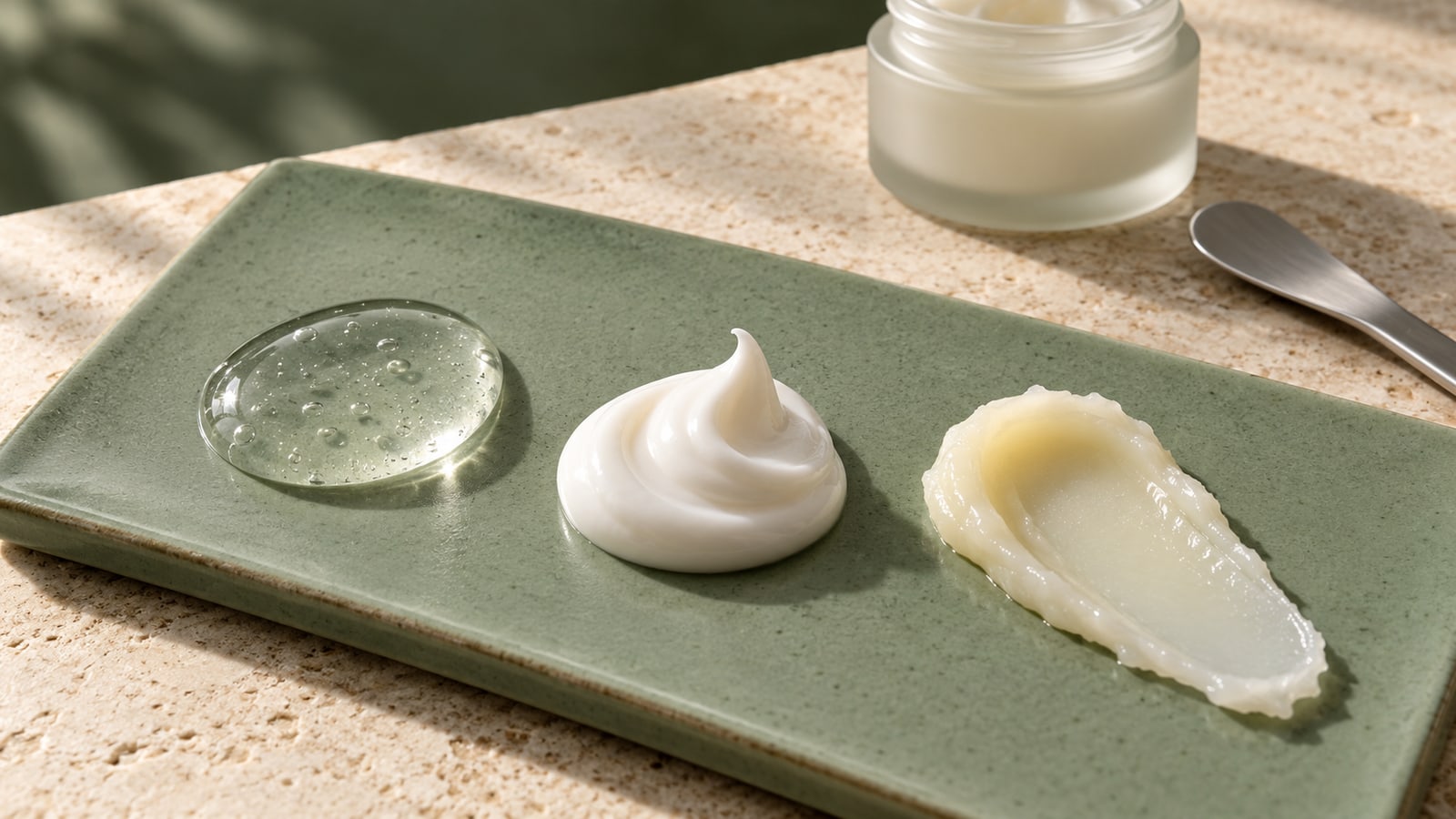
Humectants, Emollients and Occlusives: What a Moisturiser Actually Does
Understand the different jobs moisturiser ingredients perform and how to assess a finished product without buying unnecessary extra steps.
Niacinamide in Skincare: Uses, Evidence and Possible Irritation
Read niacinamide claims in context, understand what small trials studied and assess a finished formula without assuming stronger is better.