Skincare Product Order: A Practical Guide to Layering Without Overcomplicating It
Build a practical skincare sequence, understand when prescribed directions take priority and avoid unnecessary layers or diluted sunscreen.
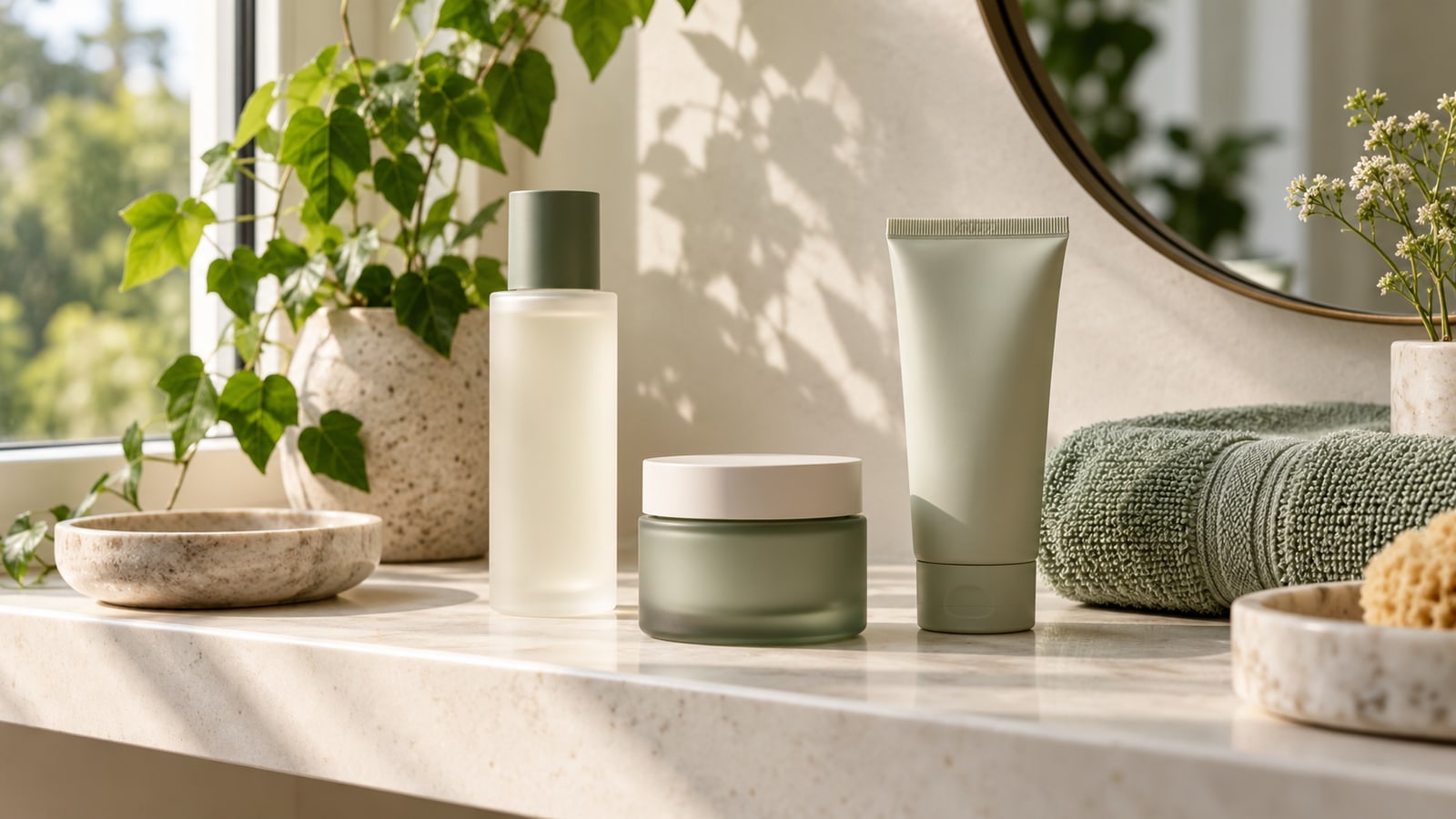
Skincare order is easiest to understand when each product has a clear job. Cleansing removes what needs washing away, treatment addresses a particular concern, moisturiser supports comfort and sunscreen provides ultraviolet protection when used correctly. You do not need a product for every possible step.
A general order is a starting point. Instructions for a prescribed treatment or a particular formula take priority, especially when you are managing a skin condition or recovering from a procedure. More layers do not automatically produce a better routine.
Key takeaways
- Start with a small routine and a clear purpose for each product.
- General guidance places cleansing before treatment, moisturiser or sunscreen and makeup.
- Follow specific medicine and product directions when they differ.
- Do not mix sunscreen into another product or assume a little extra in makeup replaces correct use.
- Persistent irritation calls for simplifying and seeking advice, not adding more layers.
On this page
Begin with the essentials
The American Academy of Dermatology offers a straightforward sequence: gently cleanse, apply a medication or treatment, then moisturiser and/or sunscreen, followed by makeup if wanted. It also warns that too many products, particularly overlapping anti-ageing treatments, can irritate skin.
This is a broad framework rather than a rule that every treatment must touch bare skin in every circumstance. Your prescription may specify dry skin, a particular time of day or separation from another product. Ask the prescriber or pharmacist if the routine you have planned conflicts with those directions.
Our simple skincare routine explains how to start small. Write down what you already use before buying another serum to fill a step that may not be necessary.
Give each product a reason to be there
For every item, ask what you expect it to do, how often the label says to use it and whether another product already serves that purpose. A hydrating serum may be optional when your moisturiser already leaves skin comfortable. A second exfoliant may add irritation without answering a new concern.
Separate treatment goals from texture preferences. Liking a light serum does not mean it is medically necessary, while a prescribed cream should not be omitted because a cosmetic layer feels more elegant. If a medicine is unpleasant to use, ask about appropriate options rather than quietly replacing it.
A practical routine is one you can understand and repeat. It should leave enough room to notice a reaction and identify what changed. Ten new products started together make that harder, even if they are applied in a carefully memorised order.
Build a manageable morning routine
Use a cleansing approach that suits your skin and follow the directions for any morning treatment. Apply moisturiser if needed, and use sunscreen as directed for daytime protection. Allow it to form its intended layer before applying makeup gently rather than mixing the products in your palm.
Our sunscreen-label guide explains SPF, UVA protection and reapplication. The protection on a label depends on proper use; putting a product last is not enough if the amount or coverage is inadequate.
Do not treat SPF numbers as values that add together across layers. A foundation and moisturiser with labelled SPF do not create a combined arithmetic score. Ask about a suitable sunscreen if makeup makes you reluctant to apply the recommended amount or reapply when needed.
| Stage | Purpose | Check first |
|---|---|---|
| Cleanse | Remove what needs washing away | Gentle method and suitable frequency |
| Treat | Address a specific concern | Prescription directions, timing and compatibility |
| Moisturise | Support skin comfort | Whether separation from a medicine is required |
| Protect by day | Apply sunscreen correctly | Amount, coverage and reapplication instructions |
| Optional makeup | Provide the finish you prefer | Avoid disrupting or diluting sunscreen |
Keep evening care purposeful
Remove makeup and sunscreen with a suitable cleansing method, then follow the directions for any evening treatment and moisturiser. A second cleanser is not automatically required for every person or every day. The useful question is whether cleansing is effective without leaving your skin persistently uncomfortable.
If a treatment is prescribed for a particular schedule, follow that schedule rather than using it every time you wash. Do not add an acid or scrub simply because a routine diagram includes an exfoliation box. Products with similar goals may need to be separated or omitted.
Keep a written version of the routine if you are using several prescribed products. Include the body area and frequency, because a cream intended for one location may not be appropriate elsewhere. Ask your pharmacist to help reconcile conflicting instructions.
Know when general layering rules do not apply
NHS emollient guidance advises leaving 20 to 30 minutes between an emollient and another skin treatment, such as a steroid cream, and asking which should be applied first. This concerns treatment of a skin condition; it is not evidence that every cosmetic serum needs a lengthy waiting period.
Some routines are deliberately adjusted to improve tolerance. If your clinician has given a specific method, do not replace it with “thinnest to thickest” advice from social media. Texture can help with the feel of ordinary cosmetics, but it does not determine medicine instructions.
After a procedure, the usual routine may need to change. Our guide to restarting active skincare explains why the treating clinician’s plan matters more than a standard morning-and-evening chart.
Respond to pilling and discomfort sensibly
If products roll into small flakes, review how many layers you are using and whether you are rubbing repeatedly. Pilling does not diagnose an allergy or prove that an ingredient is ineffective. Avoid solving a cosmetic texture problem by reducing sunscreen below its instructed amount.
Burning, swelling, persistent redness or a worsening rash is a different issue. Stop the suspected new cosmetic and seek advice if symptoms are significant or do not settle. Do not treat ongoing discomfort as proof that the routine is unusually powerful.
Our new-product testing guide explains the limits of a home trial. Introduce changes in a way that makes their timing clear, without deliberately re-exposing yourself to a known allergen.
Review the routine as a whole
If you cannot explain why a product is included, consider whether it needs to be there. Keep prescribed treatment decisions with the clinician, but give yourself permission to simplify optional cosmetics. A routine does not become more valid because it takes longer.
At a review appointment, bring the actual names and ingredient lists rather than descriptions such as “the blue serum”. Ask which products are essential, which are optional and which should be separated. That conversation is more useful than searching for one universal order that covers every formula.
Identify the job and directions for each one.
Give specific treatment instructions priority.
Simplify unnecessary layers and address reactions.
Common questions
Do I need a toner and serum?
Not automatically. Include optional cosmetics only if they serve a useful purpose and suit your skin.
Does thin-to-thick order work for every product?
No. It cannot override prescription directions, sunscreen instructions or a clinician’s personalised plan.
Can I mix sunscreen into moisturiser?
Use sunscreen according to its own instructions rather than diluting it with another product. Mixing makes the applied protection harder to rely on.
Do SPF numbers add together?
No. Layered labelled numbers do not create a new combined SPF value. Correct sunscreen use still matters.
Must I wait 20 minutes between all cosmetics?
No universal interval applies. NHS separation advice for emollients and other skin treatments should not be turned into a rule for every serum.
Is pilling the same as an allergic reaction?
No. Rolled product flakes and an inflammatory skin reaction are different observations. Describe any associated symptoms when seeking advice.
Can I keep my normal routine after a procedure?
Follow the treating clinician’s aftercare instructions and ask when individual products can restart.
What should I bring when asking for help?
Bring product names, directions, your usual sequence and the timing of any reaction. Include prescribed and non-prescribed products.
Sources and further reading
Sources checked 22 October 2026. General cosmetic sequencing does not override prescribed treatment instructions. Clinical review is not claimed.
Keep exploring
A Simple Skincare Routine: The Essentials Before You Add More Products
A practical starting point for cleansing, moisturising and sun protection, with room for your skin’s needs and your budget.
How to Choose a Facial Cleanser for Your Skin’s Needs
Choose a facial cleanser by its purpose, instructions and comfort, with practical checks for labels, budget and your existing skincare.
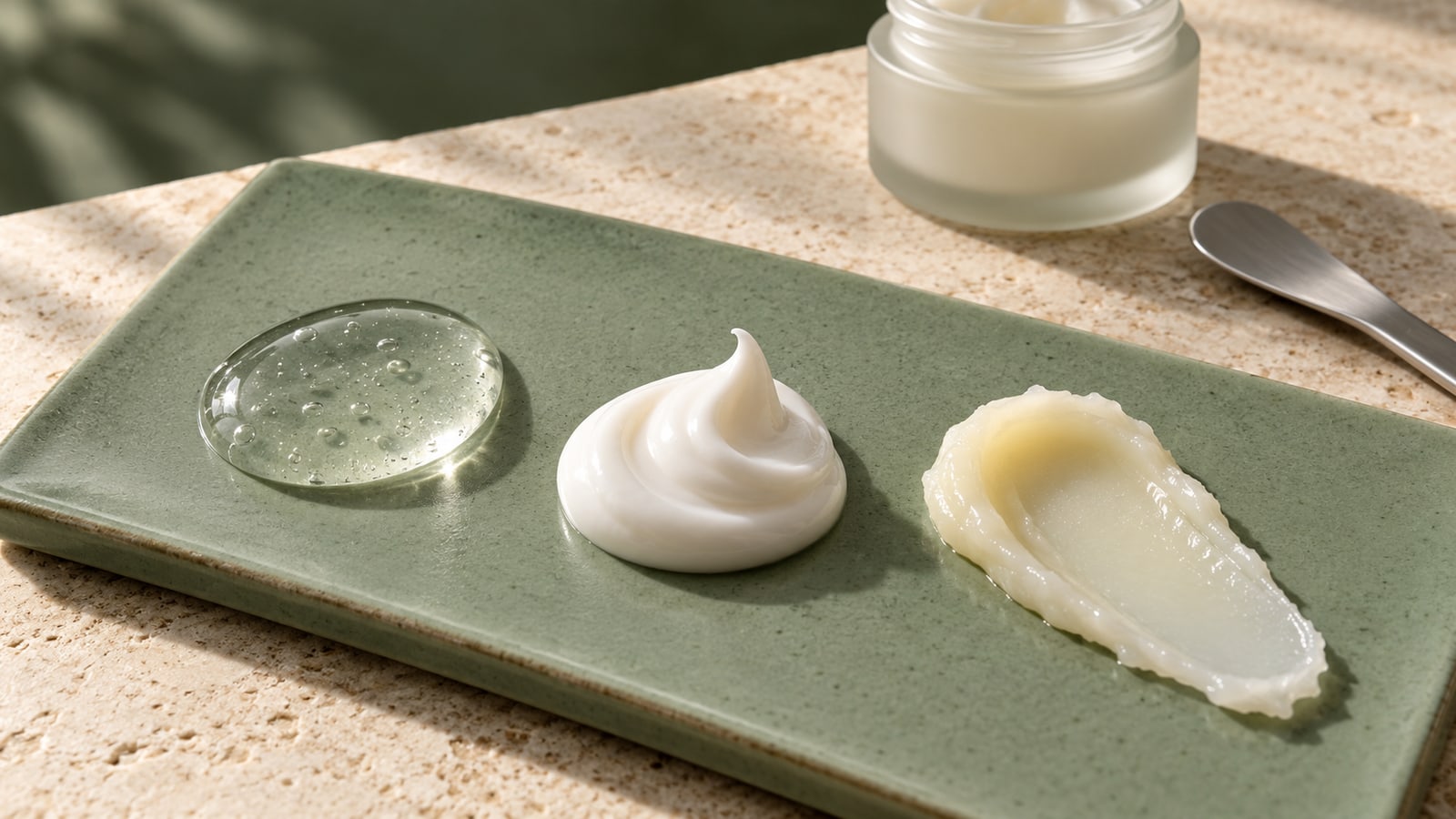
Humectants, Emollients and Occlusives: What a Moisturiser Actually Does
Understand the different jobs moisturiser ingredients perform and how to assess a finished product without buying unnecessary extra steps.
Niacinamide in Skincare: Uses, Evidence and Possible Irritation
Read niacinamide claims in context, understand what small trials studied and assess a finished formula without assuming stronger is better.