
A woman sits in a salon chair, gazing at her reflection and murmuring, “My hair just lies flat.” Her bob is smooth, glossy, and pressed close to her scalp. The stylist gently lifts a section with a comb and replies with a knowing smile: “You don’t need more hair, you need the right shape.” Around them, dryers buzz, someone laughs after an unexpectedly short fringe, and a client in the corner scrolls through photos of fluffy pixie cuts, zooming in on every hint of texture.
For fine hair, going short is always a risk. It can look bold and full, or fragile and see-through at the ends. One poorly placed layer can sink the whole look. The right cut, however, can make it seem like your hair doubled overnight. There are four short haircuts that quietly perform this illusion.

Why Volume Feels So Elusive With Fine, Short Hair
Fine hair rarely behaves the way it does in imagination. From the front, it might seem acceptable, until you turn and notice the back falling flat. Short styles make this contrast obvious because every detail of the shape is visible. That same visibility is what makes short hair powerful: structure and lift are easier to control when length is reduced.

People with thick hair discuss how much to remove; those with fine hair focus on not losing what they have. A stylist in London once noticed that her fine-haired clients returned sooner after cutting their hair short. They felt their hair looked fuller and more polished with a sharp cut than it ever did when worn long.
This makes sense when you break it down. Long, fine hair is pulled down by its own weight. That heaviness flattens the roots and leaves ends looking thin, especially near the neck and shoulders. Short cuts remove that drag. With the right outline, compact layers, and smart graduation, hair naturally lifts away from the scalp. You’re not adding strands; you’re using existing hair more intelligently.
Four Short Haircuts That Instantly Look Thicker
The first is the French-inspired blunt bob, cut clean at the ends and slightly shorter at the back. That strong horizontal line acts as a visual boundary, making the hair appear dense rather than wispy. Worn at the jaw or just above, with minimal layering, it keeps the perimeter solid. A light fringe or subtle face-framing pieces can soften the look without sacrificing fullness.
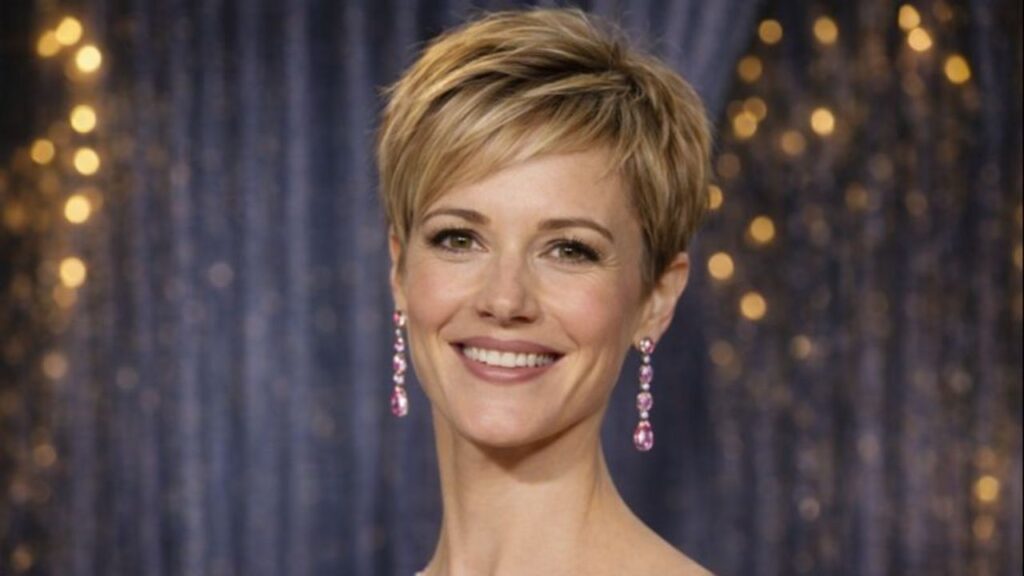
Next comes the textured pixie, a style that looks intimidating online but surprisingly wearable in real life. Cropped sides, extra length on top, and plenty of fine, choppy layers create separation. When point-cutting is used, each strand moves independently, adding lift and motion. On very fine hair, this texture prevents clumping and creates a soft, plush finish.
The third option is the stacked or graduated bob. At the back, layers are built tightly at the nape, almost like steps resting on each other. From the side, the shape curves away from the neck, instantly signaling volume. Even before styling, the structure alone creates the appearance of thickness.
The final choice is the shaggy short crop, somewhere between a bob and a pixie. With uneven layers, a longer fringe, and intentionally imperfect ends, it thrives on a slightly undone finish. This cut loves dry shampoo and quick finger styling, disguising thinner areas by never looking too polished.

How to Style Short Fine Hair Without Losing Lift
All four styles share one advantage: they respond best to light styling, not heavy routines. After gently towel-drying, apply a lightweight volumising foam or mousse only at the roots. Comb it through lightly to avoid clumps. Blow-dry with your head tilted down, directing air from roots to ends to encourage lift.
Round brushes can help, but they’re not essential. A simple approach is lifting sections at the crown with your fingers while drying. Use medium heat and keep the dryer moving. Once fully dry, finish with a cool blast to set the shape. The aim isn’t a perfect blowout, but a loose, airy base you can refine quickly.
The most common mistake is using too much product. Oils, heavy creams, and rich serums weigh fine hair down and erase volume. Start with less than you think you need. Warm waxes or pastes between your hands until nearly invisible, then apply only to the ends and surface.
A New York stylist summed it up simply: “Fine hair doesn’t need more product. It needs lighter hands.”
- Choose lightweight products like foams or sprays instead of thick creams.
- Dry roots in the opposite direction of where you want them to fall.
- Use texturising spray on mid-lengths and ends, not directly at the roots.
Looking Thicker Is as Much a Mindset as a Haircut
When someone with fine hair finally finds the right short cut, a subtle change happens. At first, they keep touching their hair, checking the volume. After a few days, the habit fades. The haircut stops being a concern and becomes background. That’s when it works: when you stop thinking about it.
Most people know the feeling of catching their reflection and noticing flat hair ruin their mood. A good short cut doesn’t eliminate that moment entirely, but it softens it. The thought shifts from panic to practicality: “It just needs two minutes of styling.” In that space, confidence quietly builds.
Short hair on fine strands may require attention on wash days and very little effort the day after. It rewards small habits you can actually keep: quick upside-down drying, a touch of dry shampoo, regular trims every six to eight weeks. It’s less about chasing perfect volume and more about choosing a forgiving shape that works with real life. The smartest cuts don’t fight reality. They adapt to it and make fine hair look fuller in the process.

Key Takeaways for Fine, Short Hair
- Right haircut: blunt bob, textured pixie, stacked bob, or short shag to enhance density.
- Styling approach: root lift, upside-down drying, and lightweight products.
- Realistic maintenance: simple daily habits and regular salon visits for lasting fullness.
