
Renewing a passport at 92 sounds extraordinary, but in India it’s entirely possible when health and mobility remain strong. This inspiring story highlights how a consistent exercise routine started in one’s 60s can shape longevity, independence, and confidence well into later decades. Rather than focusing on extreme fitness, the emphasis is on sustainable daily movement, balance, and mental clarity. The journey shows how small habits compound over time, helping older adults stay active enough to travel, manage paperwork, and embrace life milestones that many assume are out of reach after a certain age.
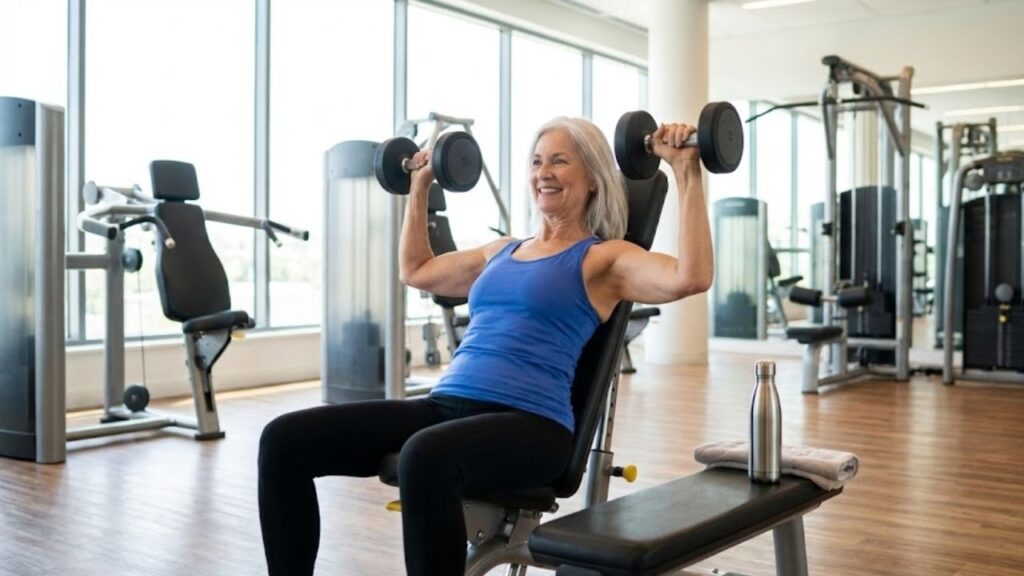
Exercise Routine That Supported Active Aging Into the 90s
The foundation of this long-term fitness routine was simplicity and consistency. Gentle walking, light stretching, and bodyweight movements were practiced almost daily, prioritizing joint-friendly motion and steady heart health. Over the years, these habits improved posture, circulation, and overall stamina without stressing the body. Importantly, rest days were respected, reinforcing injury-free progress. By focusing on movements that supported daily tasks like climbing stairs or standing for long periods, the routine built functional strength focus that translated directly into independence during later life.

How Starting Exercise in Your 60s Builds Lasting Strength
Beginning an exercise routine in your 60s can still deliver remarkable benefits. In this case, slow strength-building helped maintain muscle mass and bone density, supporting better balance control and reducing fall risk. Breathing exercises and moderate cardio enhanced lung capacity, encouraging calm energy levels throughout the day. Over time, these practices nurtured long-term mobility gains that made aging feel less restrictive. The key was patience—progress was measured in months, not weeks—allowing the body to adapt naturally and sustainably.

Staying Passport-Ready With Fitness and Mental Clarity
Renewing a passport at 92 required standing in queues, following instructions, and maintaining alertness—tasks supported by regular exercise. Physical activity promoted sharp mental focus and confidence during official processes. Stretching and light yoga improved flexibility, making travel preparation easier and reinforcing independent living skills. Perhaps most importantly, exercise cultivated a positive mindset, reinforcing self-belief habits that age does not limit capability. This holistic approach kept both body and mind ready for new journeys.
Why Consistent Movement Matters More Than Intensity
This experience underscores that longevity is less about intense workouts and more about consistency. Moderate exercise practiced for decades supports resilience, circulation, and confidence, forming healthy aging routines. By aligning movement with enjoyment, the habit becomes sustainable, encouraging lifelong activity patterns. The result is not just physical strength but emotional readiness to embrace milestones others might avoid. Starting later in life still delivers meaningful change, proving it’s never too late to invest in daily movement.
| Exercise Type | Frequency | Primary Benefit |
|---|---|---|
| Walking | Daily | Cardiovascular endurance |
| Stretching | 5 times/week | Flexibility and posture |
| Bodyweight exercises | 3 times/week | Muscle strength |
| Breathing exercises | Daily | Mental clarity |
Frequently Asked Questions (FAQs)
1. Can starting exercise in your 60s really make a difference?
Yes, consistent moderate exercise can significantly improve strength, balance, and mobility over time.

2. What type of exercise is safest for seniors?
Low-impact activities like walking, stretching, and light strength training are generally safest.
3. How often should older adults exercise?
Most benefit from daily light movement combined with a few strength sessions each week.
4. Does exercise help with mental sharpness in old age?
Regular physical activity supports blood flow and routines that aid mental alertness.