
The café is busy, yet she feels slightly removed from it all. With her headphones on and her gaze drifting toward the rain-streaked window, she quietly watches the moment pass. Around her, people scroll, laugh, and call the waiter. She feels no pressure to reply instantly, no need to prove she’s having a productive or meaningful day. Instead, she sits inside a calm bubble amid the noise.
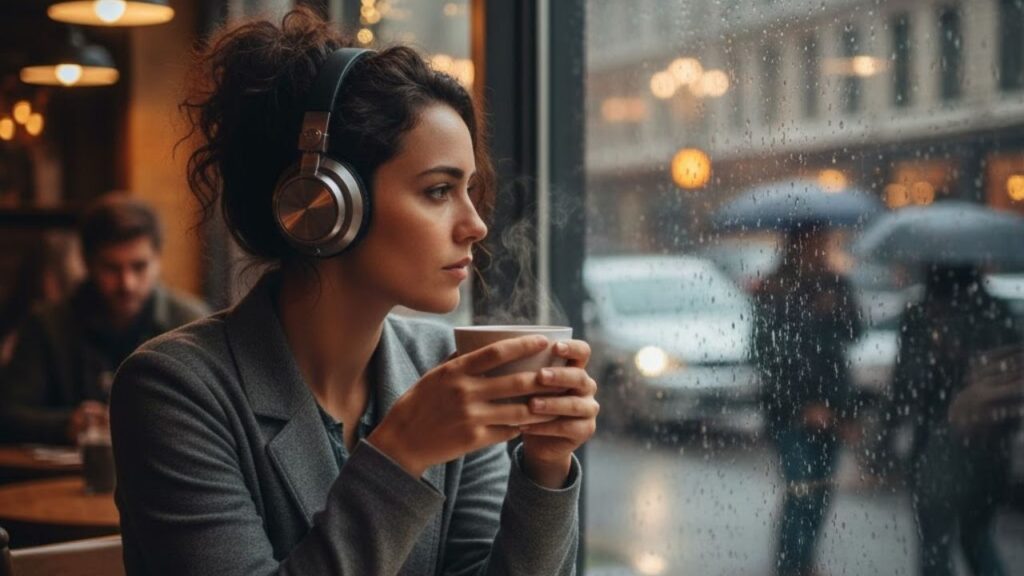
Some would label this feeling as loneliness. She calls it breathing room.

Modern life celebrates constant connection: group chats, shared workspaces, weekends planned weeks in advance. Admitting “I enjoy being alone” can still sound unusual, almost like an admission. Yet more people are intentionally choosing solitude, not to escape life, but to experience it more fully.

Psychologists are beginning to understand who these people are. Their personalities tend to share several unexpected characteristics.
Deep Self-Awareness and Quiet Confidence
Those who appreciate solitude often move through life with a gentle confidence. They don’t need to dominate conversations or fill every pause. They understand their feelings, their thoughts, and their limits.
This comfort with their inner world removes the fear many feel when left alone with their thoughts. Solitude becomes a safe place, not something to avoid.
Imagine someone taking a solo walk after work. Their phone is on Do Not Disturb, their hands tucked into their pockets as they replay a meeting in their mind. Instead of seeking reassurance from others, they reflect: “Where did I feel uncomfortable? What did I want to say?”
Research on self-concordant goals shows that people who reflect this way tend to make choices aligned with their core values. The walk may look ordinary, but internally, it’s a quiet process of self-alignment.
This level of self-awareness often reduces social anxiety. When you understand your own triggers, you stop overanalyzing others. You can enjoy company without depending on it. Social interaction becomes a choice, not a necessity.
Clear and Healthy Boundaries
Another common trait is an unusually clear sense of boundaries. People who enjoy solitude often say no without excessive explanations. They may cancel plans without guilt, not out of disrespect, but to protect their mental balance.
This clarity usually develops after a period of overextending themselves.
Think of the coworker who once joined every after-work outing. Always available, always exhausted. Eventually, burnout appears. They begin to say, “I’ll skip tonight. I need some time to myself.” At first, others tease them. Over time, the new rhythm settles.
They notice they feel more focused, less resentful, and more present when they do engage. Psychologically, this reflects an internal locus of control. They see their time and energy as resources they manage, not obligations owed to others.
A quiet evening at home isn’t accidental. It’s a deliberate commitment to themselves.
Depth Over Constant Stimulation
People drawn to solitude often dislike shallow noise. Endless small talk drains them. Constant notifications feel intrusive. They aren’t antisocial; they simply prefer focus over fragmentation.
They would rather invest deeply in one conversation, one book, or one project than juggle many surface-level interactions.
On a weekend evening, you might find them surrounded by books, sketches, or music playing on repeat. Time becomes fluid. Hours disappear.
Psychologists call this a flow state, where deep focus quiets self-awareness. To outsiders, it may look uneventful. Internally, it’s immersive and rich.
This preference for depth extends to relationships. Their social circle is often smaller, but their connections are meaningful and layered. Daily messages aren’t required for closeness. Honesty and presence matter more than frequency.
Observation Before Action
Those who enjoy solitude often observe before they speak. In group settings, they may stay quiet initially, reading the room and noticing subtle dynamics.
This isn’t shyness. It’s information gathering.

Studies on introversion and social perception show that people who prefer lower stimulation often excel at sensitive observation. They notice shifts in tone, expressions, and energy that others miss.
In everyday life, this might mean recognizing a friend’s discomfort before it’s voiced. Solitude sharpens this awareness by slowing the mind and allowing patterns to emerge.
Intentional Energy Management
People who value solitude rarely see free time as something to fill. They treat energy like a limited battery.
Social plans either recharge or drain them, so they build small rituals to recover: a quiet coffee, a walk, a calm commute, or moments of intentional stillness.
Many rely on what could be called a buffer hour. They leave space between demanding interactions and home life. No calls. No tasks. Just decompression.
This habit helps their nervous system reset, even if life doesn’t always allow it daily. They understand the cost of skipping these pauses and protect them when possible.
Comfort With Missing Out
A surprising trait is their lower sensitivity to fear of missing out. Curiosity still exists, and sometimes envy, but the discomfort of not attending is often outweighed by the relief of staying aligned with their own rhythm.
They don’t feel compelled to document every outing online. Their digital presence may appear quiet, not because they’re disengaged, but because they don’t treat life as a performance.
This reflects lower levels of social comparison. While they may occasionally feel excluded, they also feel grounded in the understanding that their time is theirs to shape.
Rich Inner Worlds and Creativity
Many solitude seekers describe their mind as constantly active. Ideas, scenarios, and future possibilities flow continuously.
This inner richness isn’t limited to artistic expression. It shows up in problem-solving, planning, and reflection. Silence gives these thoughts room to surface.
Research consistently links constructive solitude with creativity. The mind needs space to wander away from constant input.
For them, boredom is rarely empty. It’s potential.
Emotional Independence Without Detachment
People who enjoy solitude often don’t expect others to regulate their emotions. They seek support, but not rescue.
They develop personal ways to self-soothe, whether through music, writing, movement, or quiet reflection. This doesn’t eliminate pain, but it makes it manageable.
On difficult days, they may withdraw briefly before reconnecting. This isn’t rejection. It’s emotional maintenance.
Psychologically, this reflects earned security: trust in their ability to endure and recover. Solitude becomes a refuge, not a threat.
Living With a Love for Solitude
If these traits feel familiar, you may already be shaping a life with more intentional quiet. Many solitude lovers schedule alone-time with the same respect as social commitments.
If you live with someone like this, understanding their need for space is key. It isn’t distance. It’s trust.