
You are standing in your kitchen at 7:23 in the evening trying to get dinner ready when you bump your hip on that huge island for the third time. The island once seemed like the best thing you could have in a kitchen. Now the stools are piled with mail and the sides are scratched from backpacks. Someone always ends up cooking with their back to everyone else. That big block in the middle no longer feels like a gourmet lifestyle feature. It feels more like an obstacle course. Something is changing in design studios and Instagram feeds and new home showrooms. Architects are drawing fewer islands these days. They are creating something else instead. The new designs are lighter & more flexible. They look more like furniture than permanent fixtures. Once you notice this shift the kitchen island suddenly looks old fashioned.
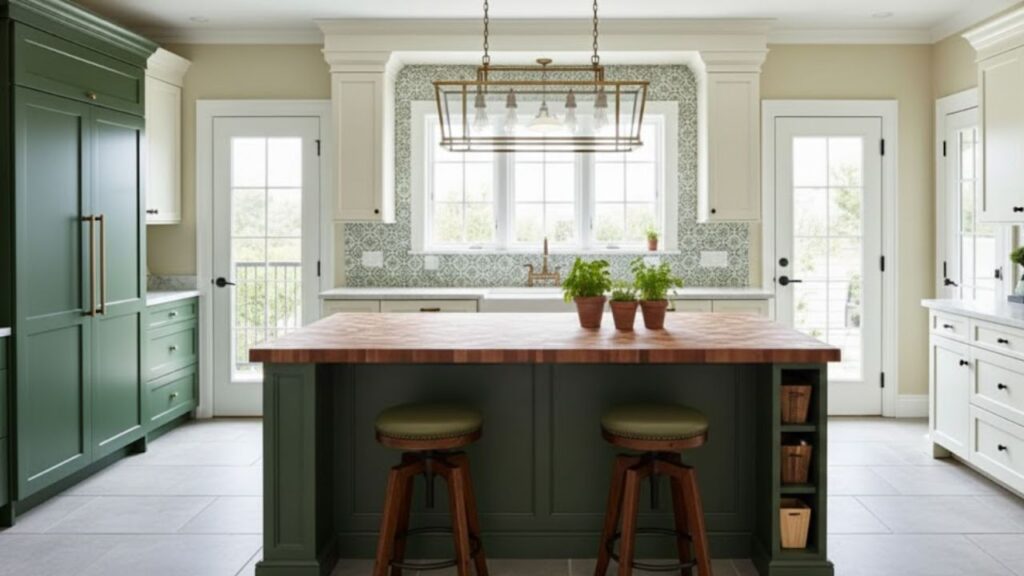
Why the kitchen island is slowly losing its spotlight
Step into a premium kitchen showroom toward the end of 2025 and the shift is subtle but unmistakable. The space feels more open, with clearer sightlines from windows to dining areas and fewer visual obstacles. Sales consultants no longer point proudly to a dominant island at the center. Instead, attention drifts to slimmer elements that resemble refined tables—sometimes freestanding, sometimes on legs, often with open space beneath. The once-iconic, built-in island hasn’t disappeared overnight, but its dominance is clearly fading, quietly overstaying its welcome.

Design conversations now revolve around flow, flexible living, and multi-use spaces. Modern kitchens are expected to handle food prep, remote work, homework help, and casual socializing without forcing everyone behind a bulky cabinet block. What once symbolized success now often feels like a barrier cutting the room in two.

Homeowners are rethinking how they actually use their space
Real-life experiences tell the story clearly. A London couple who renovated in 2014 recently admitted they rarely sit at their island. The stools clutter walkways, crumbs gather under the overhang, and daily life naturally pulls them toward their dining table instead. A major U.S. home-renovation survey from 2025 supports this shift: while islands remain popular, nearly 40% of homeowners now prefer table-style workstations or peninsula-and-table combinations over a solid, central island.
What’s gaining ground instead is the kitchen worktable and the refined kitchen peninsula. These alternatives are lighter, more furniture-like, sometimes movable, and less storage-heavy—but far more comfortable. They invite gathering without overpowering the room, signaling a move away from the rigid, one-size-fits-all island formula.
The simple reason islands feel outdated in modern homes
The logic behind this evolution becomes obvious once you name it. A fixed island locks the layout into a single configuration. It consumes floor space, restricts movement, and can block natural light. As kitchens increasingly blend into dining areas, living rooms, and home offices, homeowners want surfaces that adapt—places suitable for a laptop in the morning and a shared meal in the evening, without feeling like a slab of cabinetry.
A peninsula attached to a wall or a freestanding table with open legs restores circulation, clear sightlines, and a gentler social dynamic. Instead of standing in a line facing a sink, people face each other again, making the kitchen feel human rather than performative.
The 2026 alternative: refined worktables and thoughtful peninsulas
The emerging favorite isn’t a single product but a family of solutions. Think slender worktables, airy peninsulas, and hybrid designs that blur the boundary between dining and prep zones. Picture a long, narrow surface aligned with the main kitchen run, set at counter height, with discreet drawers beneath and perhaps a butcher-block section at one end. Or imagine a peninsula extending from a cabinet wall—deep enough for quick breakfasts or laptop sessions, yet leaving generous walkways around it.
The mindset shift is key: design like a furniture maker, not a cabinet installer. Legs replace solid panels, light passes underneath, and chairs pull in comfortably. Heavy elements like sinks and cooktops move back to the main run, freeing the center of the room for everyday life—not plumbing.
Why shrinking the island isn’t the real solution
One common mistake undermines this new direction: simply downsizing the old island concept. A narrow island stranded in the middle still clutters the room. The smarter approach is positioning—pushing the new element toward a wall, window, or dining zone. Think of it as a bridge, not a barrier.
A peninsula along one side delivers extra counter space without dividing the room. A movable worktable on castors can handle weekend baking and then roll aside for gatherings. Most people won’t move it daily, but knowing it can move changes how the space feels—lighter, more forgiving, more alive.

- Lighter visual presence: Open-legged tables keep rooms feeling larger.
- Everyday adaptability: Peninsulas and tables evolve with changing routines.
- Warmer social energy: Sitting across a table feels more natural than lining up at a bar.
How to reassess your own kitchen before it feels dated
The most revealing step is surprisingly simple. Use masking tape to mark the footprint of an island on your floor—full scale. Live with it for a few days. Then tape out an alternative: a slimmer table near a wall or a peninsula extending from cabinetry. Walk around it during your morning routine. Imagine pulling out chairs, unloading groceries, opening the fridge. Your body will quickly tell you which option feels easier.
From there, sketch honestly. Compare one plan with a central island, another with a peninsula, and a third with a freestanding table placed parallel or perpendicular to the counter. Accept that you may trade some deep island storage for a taller pantry or smarter drawers. Remember, empty space matters as much as cabinetry—to your eyes and your feet.
Designing for real life, not occasional hosting
A frequent misstep is planning around rare entertaining scenarios instead of daily reality. On a typical weekday, it’s usually just you, perhaps a partner, a child passing through, maybe a pet underfoot. Design for that moment first. The ten-person brunch should adapt to your daily layout—not the other way around.
The refined 2026 worktable trend succeeds because it avoids overload. These surfaces aren’t burdened with sinks, cooktops, and endless storage zones. They remain what they appear to be: beautiful, usable tables with just enough function integrated discreetly.
There’s also an emotional layer. Many homeowners feel they’re supposed to want an island because it dominated aspirational imagery for years. Choosing a lighter peninsula or table can feel like rejecting that ideal—but for many, it brings relief. It’s an admission that real life matters more than staged perfection.
Small design choices that reinforce the new approach
- Keep plumbing off-center: Leave sinks and appliances on the main wall.
- Vary surface heights: Slightly lower sections improve comfort for seated work.
- Introduce softness: Lighting, simple decor, or textiles make surfaces feel lived-in.
Kitchens that feel current in 2026—and still work years later
The deeper shift isn’t really about islands versus tables. It’s about kitchens embracing their role as living spaces first, task zones second. Islands rose alongside open-plan living, acting as command centers between cooking and socializing. As that idea matures, homeowners are seeking something less dominant at the center.
The island isn’t disappearing; it’s simply losing its automatic status. Those who keep one are refining it—smaller, lighter, less imposing. Others are choosing layouts that feel calmer on an ordinary evening and more generous during gatherings. The kitchens that stand out now aren’t defined by a massive block in the middle, but by how freely people move, see, and connect within them.
If you’re planning a renovation—or just imagining one—the real question isn’t “island or no island?” It’s quieter and more revealing: where do you want to stand, sit, and talk at the end of the day? Once that scene becomes clear, the shape at the heart of your kitchen tends to redesign itself.

| Point clé | Détail | Intérêt pour le lecteur |
|---|---|---|
| Islands losing ground | Homeowners and designers are moving away from bulky, fixed blocks in the center of the room. | Helps you avoid investing in a feature that may soon feel dated. |
| Worktables & peninsulas | Slender, furniture-like surfaces replace islands as more practical, elegant focal points. | Gives you new layout ideas that fit real life better. |
| Design by daily rhythm | Planning around everyday use—not just entertaining—creates timeless, flexible kitchens. | Guides you to choices you’ll still love in five or ten years. |
