
The sharp hissing sound faded first. Soon after, thousands of kitchens fell silent as old metal pressure cookers were pushed to the back of cupboards, kept only “just in case.” Across online forums, insurance reports, and parent chat groups, the same question kept resurfacing: is this still safe?
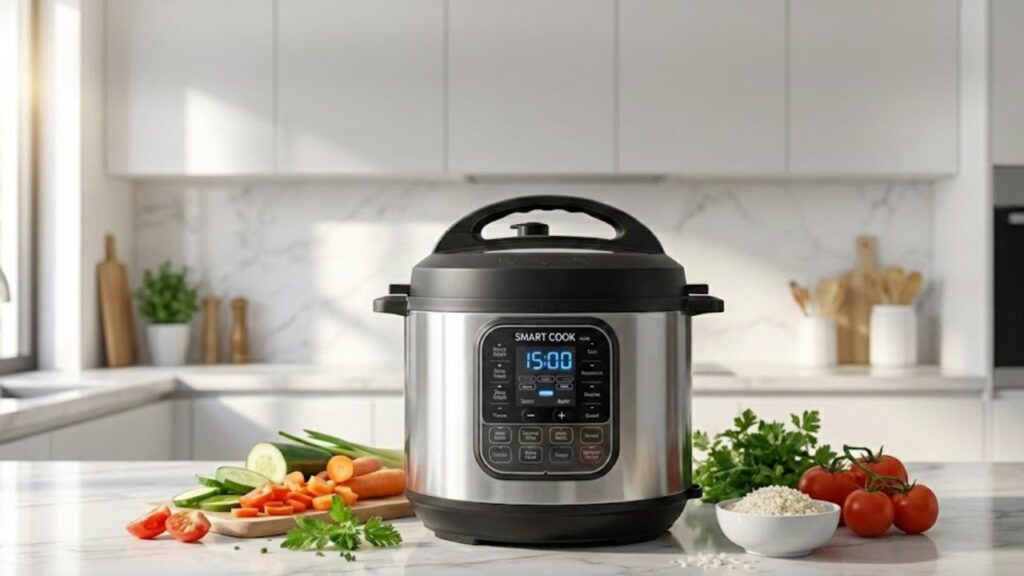
Almost unnoticed, a new appliance began taking its place on worktops. Its screen glowed softly, sensors hidden from view, offering the same stews and curries as before—without the familiar knot of anxiety. Saying goodbye to the traditional pressure cooker became less about nostalgia and more about trust. A quieter, smarter machine promised to manage pressure on its own, and that promise sparked a much larger conversation.

When Caution Replaced Tradition
In a small London flat on a rainy evening, a mother of two stared at her old aluminium cooker as if it belonged to another era. Days earlier, her social feed had filled with safety reassessments, recall notices, and stories of kitchen accidents that felt uncomfortably close to home.

She slid the pot behind baking trays and shut the cupboard door, ending a routine she had grown up with. Minutes later, a sleek, Wi-Fi-ready multicooker came out of its box, promising controlled pressure and automated safety. The stew tasted familiar, yet the mood at the table felt different—calmer, less tense.
Why Households Are Retiring the Classic Pressure Cooker
For decades, pressure cookers were a test of confidence. You adjusted the heat, watched the valve dance, and trusted that timing and seals would hold. After recent safety reviews and widely shared incidents, many families now see that gamble as unnecessary.
Modern homes are full of distractions—children, notifications, constant interruptions. When dinner relies on steam trapped under a locked lid, the margin for error shrinks fast. Online searches reflect this shift, with rising interest in recalls, explosions, and safety checks.
At the same time, smart multicookers have surged in popularity, especially among young parents and city households. Some insurers have even updated safety guidance, encouraging devices with multiple electronic safeguards. Recipes may be inherited, but the tools used to cook them are quietly changing.
The Simple Reason Behind the Switch
Traditional pressure cookers depend heavily on the user—manual heat control, careful timing, and regular maintenance of valves and seals. A single crack or distracted moment can turn pressure against the cook.
Smart cookers reverse that responsibility. They rely on built-in pressure sensors, temperature probes, automatic venting, and software that reacts instantly. Instead of watching the pot, the appliance monitors itself.
Preset programmes, timers, and locking lids reduce the number of decisions required at the end of a long day. Families still want quick, tender meals—they just no longer want to trade speed for risk.
How Smart Appliances Take Over the Hard Work
The appeal of these machines goes beyond safety. They transform cooking into a forgiving, semi-automatic routine. Ingredients go in cold, the lid closes, and the programme handles the rest—calculating heat curves, pressure levels, and cooking time.
In practice, this means no guessing steam levels, no rushed pressure releases, and no burnt bottoms. For busy households juggling work, school, and family life, that reliability matters.
Retailers note that reviews focus less on power and more on auto-cook and guided features. People are not just buying heat; they are buying peace of mind and a lighter mental load at dinner time.

Safety That Feels Emotional, Not Technical
Classic pressure cookers demanded constant attention, keeping cooks slightly on edge. Smart multicookers feel closer to a slow cooker or oven—you set them and step back.
Multiple sensors check conditions dozens of times per second, cutting heat if anything drifts outside safe limits. This creates a sense of emotional comfort as well as physical safety.
The appliance becomes a quiet partner that never gets tired or distracted, encouraging more home-cooked meals and fewer last-minute takeaways.
Everyday Habits That Change with a Smart Cooker
Most households begin by transferring familiar recipes into the new device—soups, curries, stews—using guided modes. Over time, the cooker remembers preferences and suggests small adjustments.
The mindset shifts from racing against burning food to confidently leaving a pot to work on its own. The absence of a shrieking valve becomes the new sound of security.
Learning to Trust the Machine
Early mistakes are common: overfilling, ignoring liquid levels, or skipping programme notes. When results disappoint, the machine often reveals it spent half the cycle correcting human shortcuts.
Accepting that the cooker understands its limits is part of the transition. A quick glance at fill lines and instructions can prevent frustration later.
Simple Rules That Keep Kitchens Calm
- Clean gaskets and sensors weekly, not obsessively every day.
- Use official pressure programmes, experiment in sauté or slow modes.
- Avoid delayed starts with dairy or meat.
- Let children press buttons, not open lids under pressure.
What This Quiet Shift Means for Modern Kitchens
The traditional pressure cooker is fading quietly, much like rotary phones or VHS players. In its place stands a connected appliance that trades romance for reliability.
This change reshapes who cooks and how often. Teens follow app-guided recipes without fear. Older adults appreciate gentle locking lids and distant steam release.
When tools feel safe and forgiving, more people step into the kitchen. The old cooker may stay tucked away for now, but each evening the smart pot works silently, the balance shifts. Dinner becomes less stressful and more enjoyable—fitting the distracted, very human way we cook today.
 The Ordinary New Serum Nicknamed Filler in a Bottle Gave My Skin a Youthful Look in My 40s
Key Takeaways for Home Cooks
- Multiple safety systems: Sensors, locking pins, and automatic vents reduce risks from pressure buildup.
- Guided cooking programmes: Automated settings deliver consistent results without manual calculations.
- Less supervision required: Self-regulating cookers free time and reduce distracted mistakes.
