“I’m exhausted from chasing my roots,” she admits, eyes fixed on the thin silver line tracing her part. Dye bowls sit nearby like a science experiment — chestnut, espresso, iced mocha brown — yet none of them appeal to her. She doesn’t want something that screams hair dye. She wants a finish that feels subtle, natural, and far less obvious.
The stylist understands. Instead of reaching for permanent color, she opens a different chart — one filled with sheer tones, soft glosses, and carefully placed lighter strands. There’s no drastic transformation and no marathon appointment. Just thoughtful techniques that allow gray hair to blend in, soften contrast, and quietly refresh the face without drawing attention.

This marks the end of hair dye as we once knew it. The new approach is calmer, smarter, and far more forgiving — and it’s reshaping how aging is seen in public.

From Heavy Coverage to Smart Camouflage
Step into a modern salon and you’ll hear the same request again and again: “I don’t want it to look dyed.” Gray hair itself isn’t the problem. What people are avoiding is that flat, solid block of color that looks artificial in daylight. The focus has shifted to soft blending — letting some silver show while guiding how it appears.
Techniques now lean on transparent tints, root shadows, light-catching glosses, and scattered highlights that subtly trick the eye. Many stylists are replacing harsh permanent dyes with semi-permanent veils that fade gradually. The payoff is fewer stark regrowth lines, less time in the chair, and a look that feels fresh rather than freshly colored.
In a small London salon, 52-year-old Karen arrived with a familiar plea: “Make the gray disappear.” She had been coloring every three weeks, constantly battling fast-appearing roots. Her stylist suggested a different route — a soft mushroom-brown glaze, a few ultra-fine face-framing highlights, and no solid root coverage. Two hours later, the harsh regrowth line was gone. The silver strands looked intentional, almost like a refined balayage.
Eight weeks on, the grow-out was barely visible. Karen no longer dreaded the mirror or counted days to her next appointment. “I feel younger,” she said, “not because the gray vanished, but because I’ve stopped fighting it.” That sense of mental relief is a big reason this movement is spreading well beyond social media.
Why Blending Gray Changes the Face
Solid, dark, opaque dye can create a severe frame around the face, drawing attention to fine lines and under-eye shadows. On the other extreme, bright white roots against dyed lengths spotlight the scalp. Blending techniques soften both effects. By lowering contrast and adding light near the face, skin appears less tired, features look cleaner, and attention shifts away from the hairline.
Stylists often describe it as contouring for hair — using light and shadow to guide the eye. Instead of erasing gray, they incorporate it into the design. It’s not a trick; it’s simply a more thoughtful use of what’s naturally growing.
The Modern Playbook for Youthful Gray
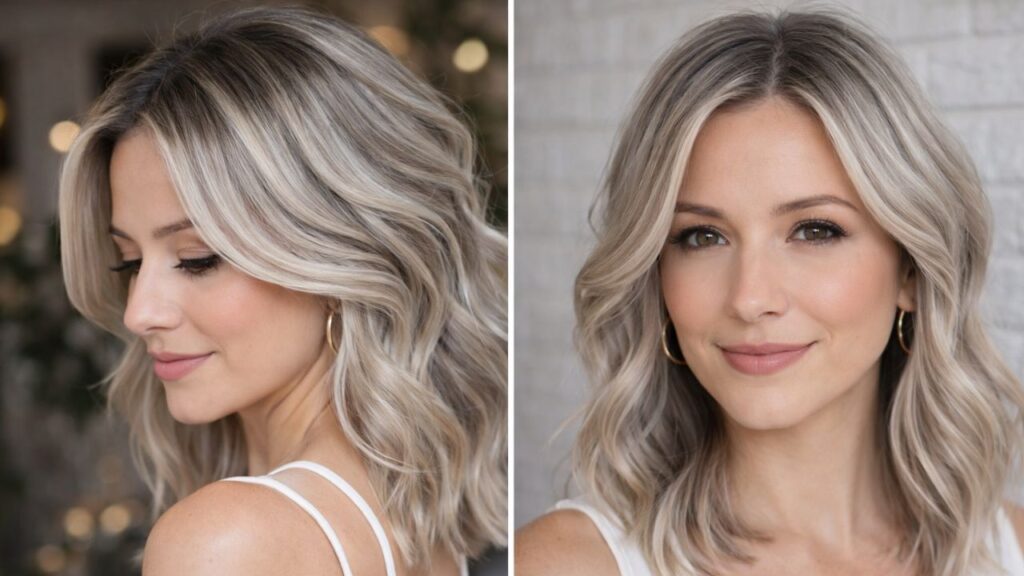
The standout technique today is known as gray blending. Rather than covering every strand, the stylist works in sections. A translucent demi-permanent color softens the brightest silvers, while subtle lowlights add depth. Around the face, ultra-fine highlights or baby lights prevent heavy patches and keep everything airy.
 6 Powerful Ingredients That Strengthen Your Skin Barrier and Protect Against Harsh Winter Damage
- An astrophysicist challenges Elon Musk’s Mars vision
- A giant 7.5-metre anaconda discovered in the Amazon
- A rapid test reveals Alzheimer’s far earlier than symptoms
- Donald Trump proposes adding a floor above the White House colonnade
- A mutant virus spreads by hijacking human cells
- Natural scent tricks replacing air fresheners
- A newly identified nighttime Alzheimer’s symptom confirmed by neurologists
- Intense training shows benefits against autoimmune muscle diseases
This strategy avoids rigid maintenance schedules. Without a harsh line between dye and gray, appointments can stretch to eight or even twelve weeks. The secret lies in deliberate imperfection — small variations in tone and light that create an expensive, lived-in finish. The result feels polished, not painted.
Simple Care That Keeps Gray Looking Intentional
Daily upkeep remains refreshingly minimal. A gentle purple or blue shampoo once a week prevents yellowing. A lightweight shine serum or oil helps coarse gray strands lie smoother and reflect light. For special occasions, tinted root sprays or powders along the part instantly soften contrast, acting like a subtle filter for the hairline.
Few people want a complicated mirror routine. What lasts are small, sustainable habits — switching to milder shampoos, using heat protection when blow-drying, trimming brittle ends. Over time, these details make gray hair appear healthy and deliberate rather than unruly.
The Emotional Shift Behind the Trend
This gentler approach also changes how people see themselves. Instead of hunting individual white strands, attention moves to shine, movement, and texture. The question becomes, “Does my hair look alive?” rather than “Does it look young?” That subtle mindset shift removes much of the daily frustration gray hair once caused.
Paris-based colorist Lila Moreau explains it simply: “Clients no longer ask to cover gray. They want to look rested and bright, like themselves on a good day. Gray blending and face-framing light do that. The goal isn’t to hide age — it’s to stop roots speaking before you do.”
Common Mistakes That Undermine the Look
- Choosing overly dark shades for coverage, which can age the face
- Relying on frequent permanent box dye, creating a heavy, matte finish
- Ignoring cut and shape, which can make even good color look tired
- Overusing purple shampoo until hair appears dull
- Expecting one session to undo years of coloring
A New Perspective on Age and Confidence
When people stop chasing total gray erasure, something interesting happens. They experiment again — softer bangs, a slightly shorter cut, lighter tones near the face that echo natural silver. Friends don’t comment on the gray itself. They say, “You look rested,” or “You look different, in a good way.”
This shift isn’t about abandoning color altogether. It’s about letting go of panic appointments, hiding between touch-ups, and fearing regrowth under harsh lights. Some still color, just more gently. Others embrace mostly natural gray with a gloss for shine. Many land somewhere in between.
The deeper story is about choice. When gray is blended and softened rather than treated as a flaw, the focus moves from erasing age to editing its impact. Keeping the years you’ve lived while playing with light, texture, and shape becomes a form of quiet confidence — and that’s what truly shows.

Key Takeaways for Readers
- Gray blending over full coverage: Demi-permanent tones, soft lowlights, and fine highlights reduce harsh regrowth and create a more youthful result.
- Simple, consistent maintenance: Weekly purple shampoo, gentle products, and occasional root sprays manage gray without complexity.
- Emphasis on texture and light: The right cut, added shine, and less aggressive heat make hair look vibrant and lift the entire face.