Reaching your 70s doesn’t have to mean slowing down or feeling fragile, especially for older adults in the United States who want to stay active. Many people discover that small, consistent fitness habits can make a huge difference over time. This article shares practical routines that helped me feel stronger, steadier, and more confident in my 70s without extreme workouts or expensive equipment. These habits focus on listening to your body, moving with purpose, and building strength gradually, making them realistic and sustainable for anyone who wants to age with energy and independence.
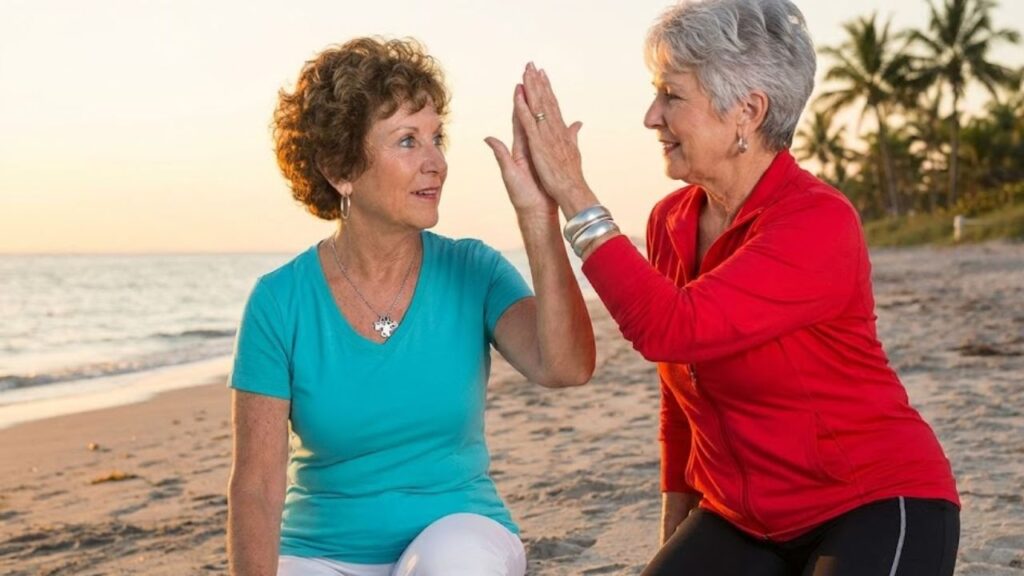
Simple fitness habits that build strength in your 70s
One of the most important lessons I learned was that consistency beats intensity. Short daily walks, light stretching, and gentle bodyweight movements added up over time. I focused on daily gentle movement rather than long workouts, which kept my joints happy and my motivation high. Adding balanced body routines helped improve stability, while slow controlled reps reduced the risk of injury. I also paid attention to rest and recovery, allowing my muscles to adapt. These habits made exercise feel like part of daily life, not a chore, and gradually built real, usable strength.

Healthy fitness routines that improved balance and mobility
As balance became more important, I introduced simple practices that challenged coordination safely. Standing on one foot near a chair, heel-to-toe walking, and gentle yoga poses worked wonders. Focusing on joint-friendly exercises kept movements comfortable, while improved core stability made everyday tasks easier. I noticed fewer stumbles thanks to better posture control, and my confidence grew with steady balance gains. These routines didn’t require a gym, just a few minutes of mindful practice, proving that mobility can improve at any age.

Daily fitness habits that support energy and confidence
Beyond physical strength, these habits boosted my overall energy and mood. Morning movement helped set a positive tone for the day, while light evening stretches supported better sleep. I learned to respect listening to limits instead of pushing through pain. Pairing exercise with hydration awareness and consistent daily timing made routines easier to stick with. Over time, I felt renewed daily energy and greater confidence in my body, which encouraged me to stay socially and mentally active as well.
Why these fitness habits work well for people in their 70s
These habits succeed because they are realistic and adaptable, not overwhelming. They emphasize long-term consistency over quick results, which is crucial as the body changes with age. By focusing on safe movement patterns, they reduce injury risk while still challenging muscles and balance. The routines also support mental motivation habits, making it easier to stay committed. Most importantly, they promote independent active aging, helping older adults maintain strength, confidence, and quality of life without extreme measures.
| Fitness Habit | Main Benefit |
|---|---|
| Daily walking | Improves stamina and circulation |
| Light strength training | Builds muscle and bone support |
| Balance exercises | Reduces fall risk |
| Gentle stretching | Maintains flexibility and mobility |
| Rest days | Supports recovery and consistency |
Frequently Asked Questions (FAQs)
1. Can someone really start fitness habits in their 70s?
Yes, gentle and consistent habits can be started safely at almost any age.

2. How long should daily exercise last for older adults?
Even 15–30 minutes of light activity can provide meaningful benefits.
3. Do these habits require special equipment?
No, most routines use bodyweight movements and simple household support.
4. Should a doctor be consulted before starting?
Yes, it’s wise to check with a healthcare provider before beginning new exercises.