
Maintaining good balance becomes increasingly important as we age, especially for older adults looking to stay independent and confident in daily life. In India, where multi-generational households and active lifestyles are common, improving balance can significantly reduce the risk of dangerous falls. Stability stacking exercises focus on layering simple movements that train muscles, joints, and the nervous system to work together more efficiently. When practiced consistently, these exercises help build strength, coordination, and awareness, making everyday activities like walking, climbing stairs, or standing for long periods feel safer and more controlled.
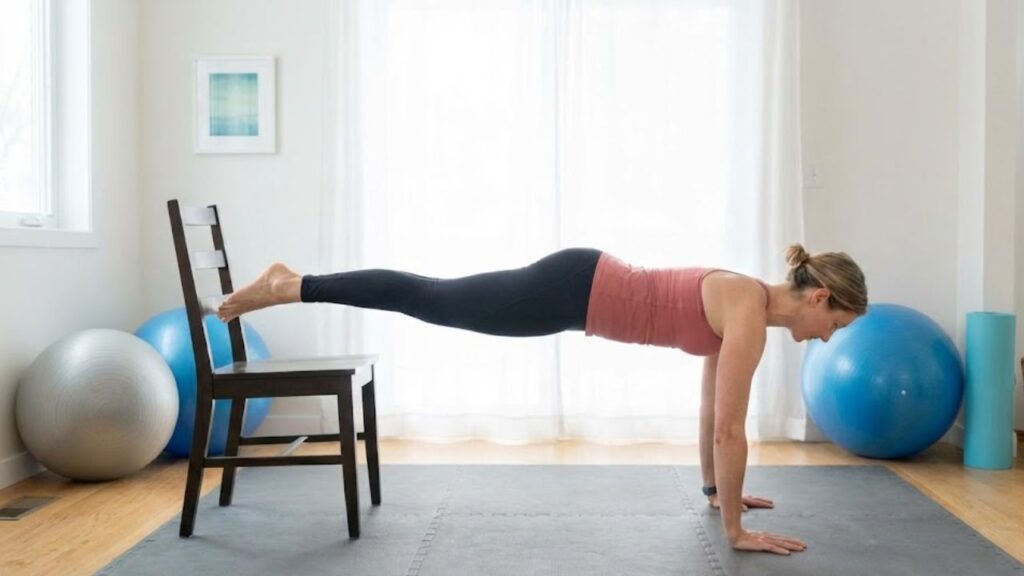
Stability stacking exercises that strengthen balance foundations
Stability stacking exercises work by gradually adding layers of challenge, allowing your body to adapt safely. You might begin with a stable stance and then introduce arm movements, head turns, or controlled weight shifts. This method supports joint alignment control, improves core muscle awareness, and enhances postural stability training without overwhelming the body. For beginners or seniors, this approach feels manageable because each layer builds on the last. Over time, these stacked movements encourage smoother reactions and better balance during real-life situations, such as avoiding obstacles or adjusting quickly on uneven ground.

How stability stacking workouts reduce fall risk safely
One of the biggest advantages of stability stacking workouts is their focus on safety and gradual progression. Instead of fast or risky movements, these exercises promote controlled movement patterns, reinforce neuromuscular coordination gains, and support safe strength building. By training the body to respond calmly to small challenges, the risk of sudden slips or missteps is reduced. Many people also notice improved confidence, as the body learns how to correct itself before a loss of balance becomes a fall, making daily movements feel more secure.

Essential stability stacking exercises for daily confidence
The six essential stability stacking exercises typically include single-leg stands, heel-to-toe walking, gentle squats with support, standing arm reaches, slow marching, and balance holds with eye focus changes. Together, they improve lower body strength, sharpen balance reflex response, and enhance everyday movement safety. Practicing these exercises a few times a week can make a noticeable difference in how steady you feel. They are especially helpful for older adults who want practical improvements without intense workouts.
Summary and practical takeaways
Stability stacking exercises offer a simple yet powerful way to improve balance and reduce fall risk, particularly for seniors. By focusing on gradual balance challenges, encouraging mind body connection, and supporting long term mobility, these exercises fit easily into daily routines. Consistency matters more than intensity, and even short sessions can bring lasting benefits. When practiced safely and patiently, stability stacking can help individuals stay active, independent, and confident in their movements.
| Exercise Name | Main Benefit | Difficulty Level |
|---|---|---|
| Single-Leg Stand | Improves leg balance | Easy |
| Heel-to-Toe Walk | Enhances coordination | Easy |
| Supported Squat | Builds lower strength | Moderate |
| Standing Arm Reach | Boosts stability control | Easy |
| Slow Marching | Improves balance rhythm | Moderate |
Frequently Asked Questions (FAQs)
1. Who can try stability stacking exercises?
They are suitable for most adults, especially seniors, with basic mobility.

2. How often should these exercises be done?
Practicing them three to four times a week is generally effective.
3. Do I need special equipment?
No, most exercises use body weight and simple household support.
4. Can stability stacking really reduce fall risk?
Yes, regular practice improves balance and reaction control, lowering fall risk.