
Glycolic acid truly does a bit of everything, which explains why it remains a favourite in so many skincare routines. This powerful exfoliating acid is especially helpful for acne-prone skin, offering a gentler alternative if rotating between salicylic acid, benzoyl peroxide, and retinol has left your skin dry or flaky. Swapping one of those out for glycolic acid can help restore balance while still keeping breakouts under control.
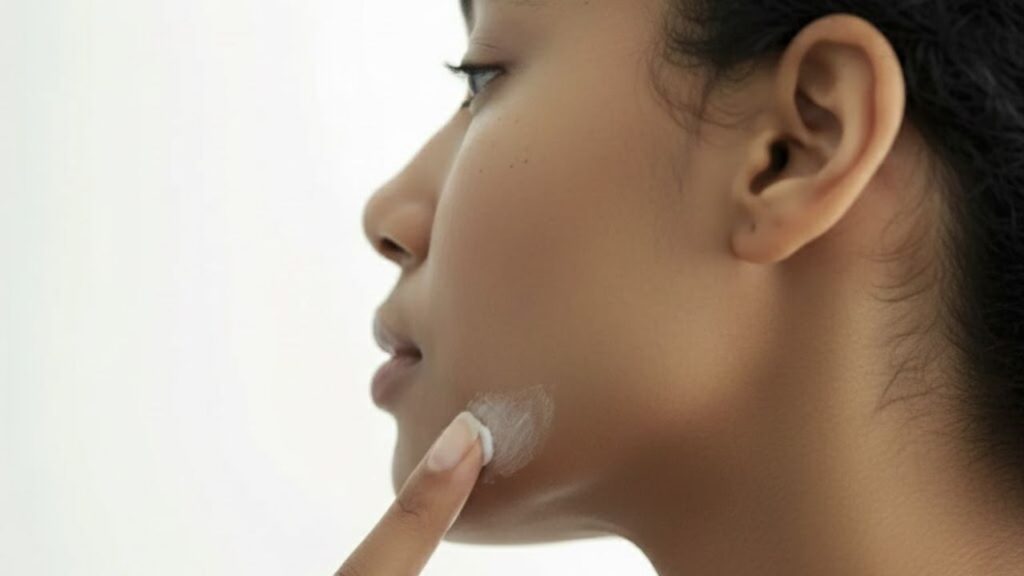
What really sets glycolic acid apart is its versatility. Beyond clearing blemishes, it also targets hyperpigmentation, dullness, and visible signs of ageing such as fine lines and wrinkles. With regular, careful use, it can dramatically improve skin tone and skin texture, making it a true multitasking staple in modern skincare.

What exactly is glycolic acid?
Glycolic acid belongs to the alpha-hydroxy acid (AHA) family and is derived from sugarcane. It sits alongside other well-known AHAs, including lactic acid (from milk), tartaric acid (from grapes), and citric acid (from citrus fruits).

What makes glycolic acid unique is its structure. It has the smallest molecular size of all AHAs, which allows it to penetrate the skin more easily. This low molecular weight is the reason it works so effectively, delivering noticeable results compared with larger-molecule acids.
How glycolic acid benefits your skin
The primary benefit of glycolic acid is chemical exfoliation. It works on the stratum corneum, the outermost layer of skin, by loosening the bonds that hold dead skin cells together. Once these bonds are weakened, dull and rough surface cells are shed more easily, revealing fresher, brighter skin underneath.
Thanks to its small molecular size, glycolic acid can also reach deeper layers of the skin. There, it stimulates fibroblasts to increase collagen production, which helps improve skin firmness and soften the appearance of fine lines and wrinkles. The combined surface and deeper action results in smoother, more radiant, and more even-looking skin.
Although commonly used on the face, glycolic acid is also effective on the body. It can help treat clogged pores, rough texture, and dark marks on areas such as the back, arms, and shoulders.
How to use glycolic acid in your routine
If you have sensitive skin or are new to exfoliating acids, it’s best to start gently. Using glycolic acid in a cleanser is often recommended, as it allows the ingredient to be rinsed off rather than left on the skin. This approach helps your skin adjust gradually and reduces the risk of irritation.
Once your skin is accustomed to it, glycolic acid can be used in stronger formats, such as peels. Professional, in-office glycolic acid peels are more potent and are typically performed intermittently, often about once a month, for more noticeable results.
For those who cannot visit a dermatologist regularly, at-home peel pads offer a milder alternative. These should not be used daily. Starting with twice-weekly use is advised, with frequency slowly increasing to every other day only if your skin tolerates it well.
Which skin types benefit most from glycolic acid?
Glycolic acid works best for normal, combination, and oily skin types. Those with very dry or highly sensitive skin may experience irritation, regardless of whether the acid is used in a cleanser, peel pad, or professional treatment.
Seasonal changes also matter. During colder months, when the skin barrier is often compromised, glycolic acid may penetrate more deeply and increase the likelihood of irritation.

It’s important to note that glycolic acid is not inherently better than other exfoliants. For example, salicylic acid may be more suitable for certain acne concerns, while glycolic acid is often preferred for anti-ageing benefits. The best choice depends on individual skin goals and conditions.
Because glycolic acid removes dead skin cells, it can increase sun sensitivity. Daily use of broad-spectrum sunscreen (SPF 30 or higher) is essential year-round to reduce the risk of sun damage.
Ingredients to avoid when using glycolic acid
Glycolic acid should be used cautiously alongside other strong actives. Combining it with manual exfoliants, benzoyl peroxide, or retinol can significantly increase the risk of irritation.
Retinol, in particular, speeds up cell turnover, which thins the outer layer of skin and allows glycolic acid to penetrate more deeply. This combination can overwhelm the skin, even for those who consider their skin resilient.
A safer approach is to choose glycolic acid products formulated with low concentrations and pair them with hydrating ingredients such as hyaluronic acid in the rest of your routine.
Is glycolic acid effective for acne?
Glycolic acid can be very effective for acne-prone skin. It helps clear pores by loosening dead skin cells, which reduces the buildup of oil that leads to blackheads, whiteheads, and pimples.
Those with mild to moderate acne can often use glycolic acid successfully by avoiding areas that are already irritated. However, people with rosacea or cystic acne may find it too harsh and should seek professional guidance.
For treating hyperpigmentation or acne scars, products containing around 10% glycolic acid are commonly recommended. More sensitive skin types should opt for lower strengths.
Possible side effects of glycolic acid
As a strong exfoliating acid, glycolic acid can cause irritation or mild burning if misused. However, severe reactions are rare. It is considered safe enough that medical professionals may use glycolic acid peels to treat acne even during pregnancy, with proper supervision.
One key safety feature is that glycolic acid is neutralised by water. If tingling occurs, it can be rinsed off immediately. Even when it penetrates deeper layers of the skin, it eventually encounters water in the dermis, where it becomes inactive and stops working further.