
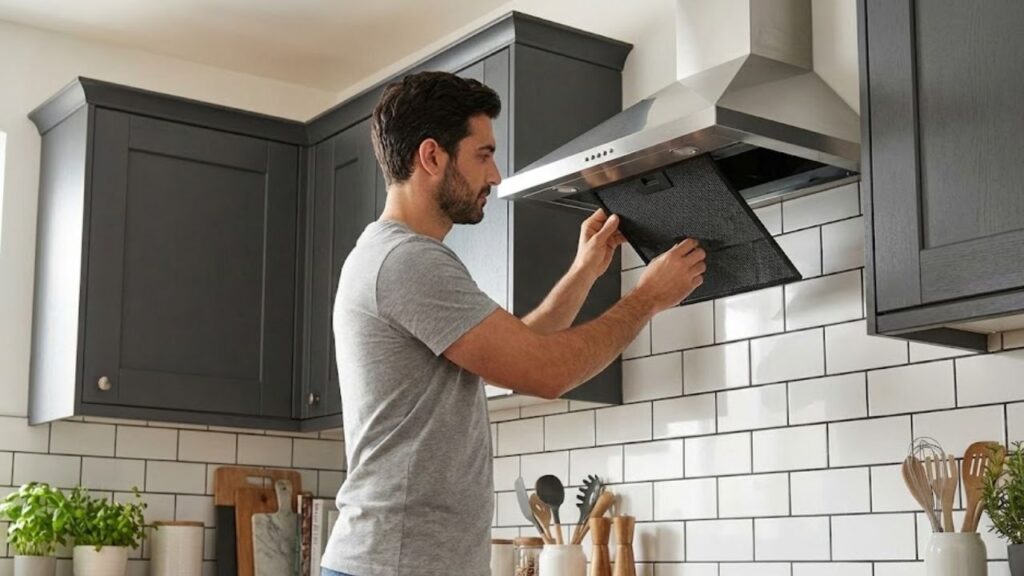
Grease-clogged hood filters are quietly raising indoor pollution and energy bills while increasing fire risk in millions of kitchens right now. As more home cooks trade takeaways for sizzling sheet-pan dinners & deep-fried favorites experts say the old wipe it when you see it approach to kitchen hoods no longer works.
Why Greasy Hood Filters Are Suddenly Getting Serious Attention in Modern Kitchens
Cooking creates more indoor air pollution than most people think. Research from housing and health organizations shows that frying and grilling and high-heat roasting can quickly increase fine particles & fumes in the air. When your hood filter gets clogged with grease that pollution stays in your lungs instead of being trapped in the metal mesh. Higher energy costs mean that every struggling fan motor and inefficient appliance costs more money.

Filters blocked with grease make the extractor work harder & create a layer of flammable buildup above the stove. Cleaning the hood filter regularly is one of the easiest and cheapest ways to reduce indoor pollution and lower energy use & decrease fire risk in homes. Professional oven and hood cleaning services can cost hundreds of dollars. Many commercial cleaning sprays contain harsh chemicals that irritate skin and trigger asthma and add more chemicals to the air. This explains why people are returning to an old cleaning method: a boiling baking soda solution that removes grease from the filter with almost no scrubbing required.

How Boiling Baking Soda Breaks Down Stubborn Grease Without Any Scrubbing
The Science Behind the Viral Range Hood Filter Cleaning Trick At first glance the trick sounds like social media magic: dunk a filthy filter into a steaming pot and watch it come out shining. Behind the viral clips sits some fairly straightforward chemistry.
The Simple Chemistry Quietly Doing the Hard Cleaning Work for You
The Science Behind the Viral Range Hood Filter Cleaning Trick At first glance the trick sounds like social media magic: dunk a filthy filter into a steaming pot and watch it come out shining. Behind the viral clips sits some fairly straightforward chemistry. Range hood filters accumulate grease over time through regular cooking. The grease consists mainly of triglycerides and other organic compounds that solidify as they cool. These substances are hydrophobic and resist ordinary water cleaning. The viral method combines boiling water with baking soda to create an alkaline solution.
A Real-World, Foolproof Method Anyone Can Follow at Home
Cleaning professionals who use this approach generally follow the same basic steps with minor adjustments based on stove dimensions and local water quality. Here is how the process works: Take out the hood filter and remove any loose food particles or thick grease deposits by shaking or wiping. Fill a big pot or deep baking pan with water but leave enough room at the top so it does not overflow when you add the filter. Heat the water on the stovetop until it reaches a steady simmer or light boil.
Add baking soda gradually one spoonful at a time to prevent excessive foaming. Place the filter into the hot water at an angle so that most of its surface stays covered by the liquid. Allow it to simmer for a few minutes while you observe the water turning cloudy as grease breaks away from the filter. Use tongs or heat-resistant gloves to remove the filter and rinse it under hot running water from the tap. If stubborn greasy areas remain you can soak it again or turn the filter over and then let it dry fully in the air before putting it back in place. The amount of baking soda needed varies depending on how dirty the filter is and the pot size but cleaning experts usually recommend using three to five tablespoons for a large filter with heavy grease buildup. Lighter dirt requires less baking soda.
Why No-Scrub Cleaning Is Winning Over Time-Starved Households
The method appeals to people for reasons that go beyond its popularity on social media. It connects with larger changes in how homeowners want to take care of their living spaces.
Hidden Health and Air-Quality Risks Lurking Above Your Cooking Area
Indoor air quality experts say kitchen ventilation is a major health concern. When range hoods are not properly maintained they cannot effectively remove fumes from gas stoves or smoke from cooking. This leads to problems like asthma flare-ups and eye irritation along with potential long-term breathing issues. Filters are located above the cooking area where grease and dirt accumulate without being seen. Once the mesh becomes clogged with buildup it stops trapping particles properly.
People might notice food odors lingering in the air but they usually miss the harmful pollutants that remain invisible. This problem matters most for people who rent apartments or live in flats near busy streets. Opening windows is not always practical in these situations. A working range hood becomes essential during winter months when homes remain sealed against the cold. Making sure the ventilation system functions correctly creates noticeable improvements in air quality.
Rising Living Costs and Growing Pushback Against Harsh Cleaning Chemicals
Rising living costs are making people reconsider what they keep under the sink. Every specialized cleaning product adds another expense to the shopping bill. Baking soda is different because most homes already have it for cooking or deodorizing. Using one product for multiple tasks makes sense for families who want to save money without compromising on cleanliness.
Attitudes toward household chemicals are also changing. Parents with small children and people who own pets or have breathing problems often worry about spray cleaners & strong artificial scents. More people are looking for simpler cleaning methods that use fewer harsh ingredients without being completely natural. Boiling a greasy range hood filter in water mixed with baking soda matches this approach. The method is not entirely chemical-free but it skips the aggressive cleaners while still producing good results.

How Frequently Kitchen Hood Filters Actually Need Deep Degreasing
Kitchen engineers and fire safety advisers rarely agree on everything but they share one common view. Hood filters need more attention than most people give them. How often you should clean them depends on your cooking habits and the type of food you prepare.
| Cooking habits | Recommended hood filter cleaning cycle | Reason this schedule is important |
|---|---|---|
| Frequent deep-frying and oil-heavy daily meals | Every 3 to 4 weeks | Rapid grease accumulation restricts airflow and significantly increases fire hazards. |
| Regular home cooking with a mix of roasting and sautéing | Every 6 to 8 weeks | Maintains strong suction performance while preventing lingering cooking odours. |
| Occasional cooking, mainly boiling or microwave use | Every 3 to 4 months | Grease builds up slowly but can still settle around gas burners over time. |
| Rental properties, shared kitchens, or short-term stays | At every tenant change or break period | Variable usage levels and higher cleanliness standards demand a full reset. |
Landlords who manage student housing and vacation rentals now include hood cleaning as part of their standard upkeep routine. Many even take photos to document the work for their safety files. A fast and inexpensive approach using boiling water works better in these situations than buying commercial cleaning sprays over & over again.
When the Boiling Method Works Best — And When to Avoid It
Landlords who handle student housing and vacation rentals now add hood cleaning to their regular maintenance tasks. Some landlords take pictures of the cleaned hoods to keep in their safety records. Using boiling water provides a quick and cheap solution that works better than repeatedly purchasing commercial cleaning products.
Filter Materials, Heat Limits, and Basic Safety Checks to Know First
Before putting anything in a pot you should check the hood manual first. Most standard aluminum mesh filters handle short boiling sessions without problems. However painted or coated surfaces along with carbon filters and built-in light covers usually cannot withstand this treatment. Some other important safety considerations include the following points. Boiling water can cause burns so you need to use strong tongs or heat-resistant gloves and make sure children & pets stay away from the stove. If you fill the pot too high or add too much baking soda quickly the mixture can foam up and spill over dangerously.
Older or delicate filters might bend out of shape if you leave them in rapidly boiling water for too long so a gentle simmer works better. Very thick grease buildup may require a second soaking session or some light scrubbing with a soft brush particularly around the edges. Professional kitchens or filters covered with years of hardened burnt grease need specialized cleaning products and sometimes complete replacement according to experts. This home cleaning method works well for regular household grease accumulation but not for badly neglected restaurant equipment.
How This One Habit Improves Overall Kitchen Hygiene Long-Term
A clean hood filter makes the extractor quieter & more effective while reducing unpleasant smells. The benefits extend beyond the immediate area. Better fume capture means less grease buildup on cupboards and ceilings and fewer odors absorbed into fabrics & curtains. Energy efficiency experts point out that any fan pushing air through a blocked filter uses more power than necessary. The savings for one household might seem small but the combined effect across millions of kitchens becomes significant.
While governments focus on major energy policies these small habits fall into the category of easy actions with clear benefits and virtually no drawbacks. There is also a mental component worth considering. People who establish one simple regular task often expand it into a broader routine. A monthly hood filter cleaning session can prompt someone to check smoke alarm batteries or clear out the toaster crumbs or review expiration dates on spices. The process of boiling the filter and watching the grease dissolve can serve as a refresh point for the entire cooking area.
Smart Kitchen Practices That Multiply the Benefits Beyond Baking Soda
For households wanting to make the most of these benefits, experts usually recommend a few extra steps. Putting lids on pans and heating oil slowly rather than at full power helps reduce the grease that reaches the filter. Turning on the hood a few minutes before you start cooking also makes a difference. Basic habits matter too. Picking oils that can handle higher temperatures when frying cuts down on airborne grease. Letting pans cool a bit before washing stops extra burnt layers from forming.
People with breathing problems often find that using a clean hood along with opening a window slightly or running a small fan during heavy cooking helps them feel better. The same hot baking soda water that cleans hood filters works well for other greasy metal items like removable stove rings & oven racks that fit in the pot. Some barbecue grates can be cleaned this way too. Each item uses the same hot bath before the water gets poured away so you get more use from a few spoonfuls of powder & a bit of energy.
The growing interest in this simple method reflects a wider trend. People want cleaning approaches that feel straightforward and give them direct control over results. Compared to pricey sprays & complicated devices a worn pot of water and a box of baking soda provides something quietly dependable. It offers a way to clean one of the dirtiest parts of the kitchen using heat and patience with almost no scrubbing required.