Since the very beginning of haircuts, commitment-averse beauty lovers have steered clear of bangs, fearing the dreaded grow-out stage. But learning how to style grown-out bangs is far easier than it sounds. You may even discover that the in-between phase suits you better than your original fringe—or the haircut you’re transitioning toward.
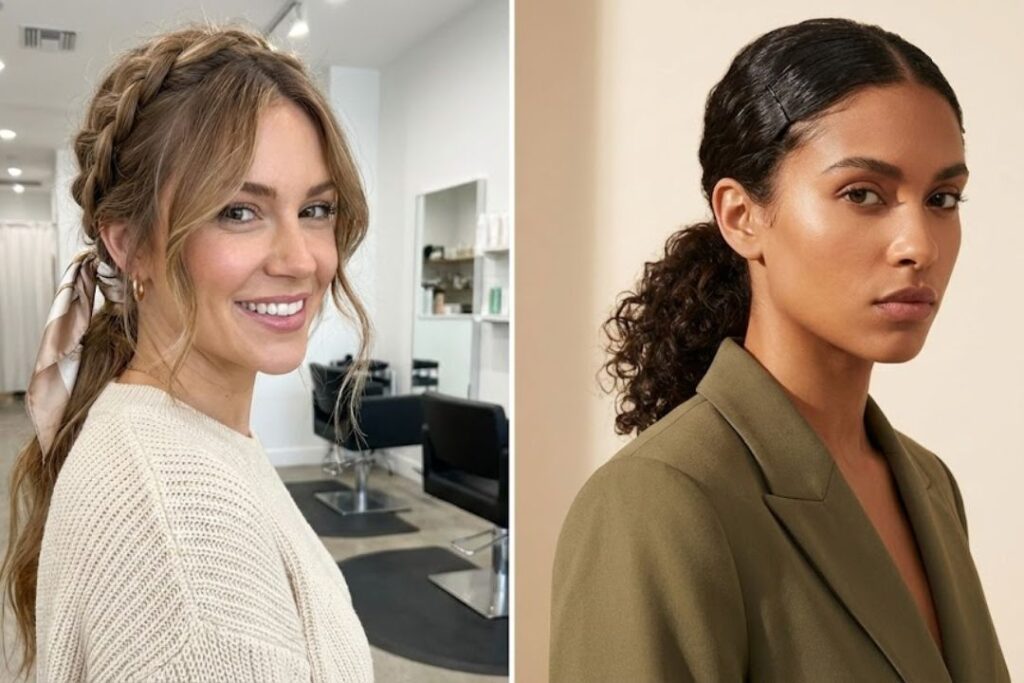
“With the right cut, thoughtful styling, and patience, growing out bangs can look polished rather than uncomfortable,” says Eddie Parra, celebrity stylist at Benjamin Salon in New York City. “The goal is to make them look styled—not ignored.”

One thing experts strongly advise against is trimming your own bangs into a transitional shape without professional experience. “Trying to fix them yourself can delay the grow-out by months,” warns professional hairstylist Molly Burke. “This is delicate work that’s best left to a pro.”

If you’re officially done with your fringe, you’re in the right place. Below, experts share their best tips for styling grown-out bangs, along with haircut inspiration for every stage and texture.
Expert Tips for Styling Grown-Out Bangs
Think Ahead When Choosing Bang Styles
Bangs often get a reputation as an impulsive haircut, but it’s smart to think about the grow-out timeline before committing. If you plan to keep bangs long-term, a thick, blunt fringe works well. But if you expect to want them off your face in warmer months, a lower-commitment option may suit you better.
“A full fringe can take six to twelve months to grow out completely,” Burke explains, noting that hair grows about half an inch per month. “Side-swept or curtain bangs usually take closer to four to six months.”
If you’re only testing the waters, Parra recommends curtain bangs. “Because they’re longer on the sides and softly parted, they naturally blend into face-framing layers as they grow,” he says.
Schedule Regular Maintenance Trims
Bangs require frequent styling, which can lead to heat damage and product buildup—both of which slow growth. That’s why consistent trims are essential during the grow-out phase.
“A trim every eight weeks helps keep bangs looking fresh while encouraging healthy growth,” Burke says. “I prefer using a razor or small shears for precise, controlled shaping.”
Regular touch-ups also allow your stylist to soften harsh lines and adjust the shape as your bangs lengthen. According to Parra, this gradual refinement keeps them looking intentional at every stage.
Work With Your Natural Hair Texture
Parra notes that reaching a fully blendable, chin-length face frame typically takes six to nine months, though hair texture plays a big role. “Wavy or curly hair may feel slower due to shrinkage, while straight hair shows length sooner,” he explains.
Thicker or textured hair can usually handle more shaping during the grow-out, while fine hair benefits from lighter layering to avoid looking weighed down.
Switch Up Your Part
Changing your part can feel like an instant upgrade. “One of my favorite tricks during the grow-out phase is shifting to a middle part and styling bangs like curtain bangs,” Parra says. “It helps create balance and encourages hair to fall away from the face.”
Style Bangs First
A frustrating hair day can feel even worse when growing out bangs, but timing matters. “Always blow-dry your wet bangs first,” Burke advises. “Once they’re dry and still warm, secure them with padded flat pins and a light mist of hairspray before finishing the rest of your hair.”
She adds that hair along the hairline is finer and dries faster, making early styling essential for long-lasting results.
When blow-drying grown-out bangs, Parra recommends using a round or flat brush and directing hair away from the face. This trains bangs to fall outward rather than straight down. A soft bend with a flat iron can add polish once hair is dry.
Upgrade Your Styling Products
Your usual hair products may not be enough during the grow-out phase. “The essentials are a lightweight styling cream for control and a flexible hairspray for hold without stiffness,” Parra says. For frizz, he suggests a smoothing serum or blow-dry lotion.
Burke recommends applying a heat protectant generously before hot styling. For curly or textured bangs, a few drops of oil before the final blowout can add softness and shine. For quick fixes, a light mist of hairspray from several inches away helps keep bangs in place.
Use Accessories to Your Advantage
Sometimes the easiest solution is simply keeping bangs out of your face. Barrettes, clips, headbands, or a sleek slick-back style can offer instant relief during awkward stages.
For a subtle option, Burke shares a professional trick: “Instead of sliding a bobby pin straight in, weave it through the hair as you insert it. It holds better and stays nearly invisible.”
Best Haircuts and Styles for Growing Out Bangs
Long Face-Framing Layers
Cascading layers help bangs blend seamlessly into the rest of the haircut rather than sitting apart. Burke notes that a longer, ’90s-inspired cut with deep angles in the front supports a smooth grow-out.
Curtain Bangs
Both experts agree that curtain bangs are one of the most forgiving transitional styles. “Shifting blunt bangs into curtain bangs early makes the grow-out feel intentional and polished,” Parra says.
Shag Cut
“A shag is a great choice if you want a bolder refresh while growing out bangs,” Burke explains. The layered, textured nature of the cut allows midlength bangs to blend naturally.
Textured Lob
According to Parra, movement and texture prevent bangs from looking heavy or awkward as they grow. A feathered lob adds bounce and helps bangs reach their full face-framing potential.
Tucked Behind the Ear
This effortless move can look deliberate with the right products. Once bangs reach cheekbone length, use a styling balm or pomade to smooth them behind the ears, keeping them sculpted and out of your face.