
She stopped mid-step, hand resting on her knee, watching a group of joggers glide past as if their joints had never known stiffness. A water bottle hung loosely from her fingers. Her expression said it all: she missed moving without thinking about pain.
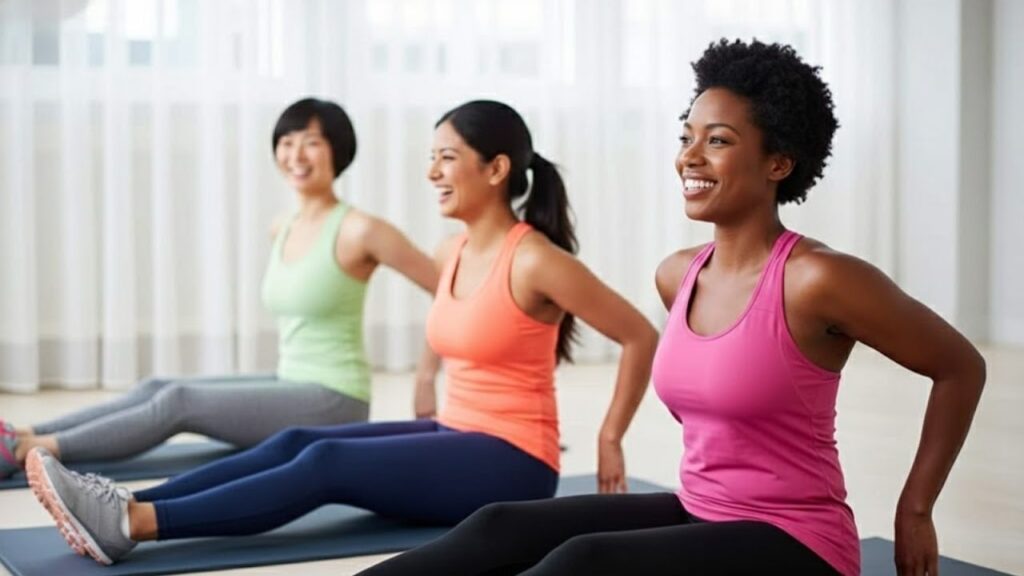
Across the path, a trainer was laying down an unusual strip of tape. People slowly gathered nearby — some with silver hair, others still in work clothes — all sharing the same careful hesitation. No warm-ups. No running. And yet, ten minutes later, they were breathing harder, smiling, and not a single person was clutching their knee.

The movement didn’t resemble swimming. It wasn’t Pilates either. In fact, it looked almost too simple to matter. And that simplicity is exactly what makes it effective.

The Overlooked “Third Choice” for Aching Knees
Right now, the most effective activity for people with knee pain isn’t found in a luxury studio or a swimming pool. It’s accessible, inexpensive, and already woven into daily life: intentional, brisk walking on flat, forgiving ground.
This isn’t the rushed walk between appointments. It’s not the distracted shuffle while scrolling on your phone. It’s a focused, slightly challenging pace that wakes up your muscles without punishing your joints.
For many doctors and physiotherapists, this has become the quiet advice repeated all day long. Walking activates the large muscles around the knee, improves circulation, and gently trains balance. There’s no membership to buy, no complex routine to remember. Just a familiar route, comfortable shoes, and ten spare minutes that usually disappear online.
A 2022 study on older adults with knee osteoarthritis found that regular walkers had a 40% lower risk of new episodes of severe knee pain compared with those who didn’t walk. That number matters. Yet many people still imagine “real exercise” as something intense — burpees, spin classes, or Pilates sessions with candles and mats.
Walking doesn’t look like rehabilitation. It doesn’t feel technical enough to be a solution. That’s precisely why it’s often ignored until a physiotherapist calmly repeats, for the third time, “Let’s focus on walking properly, three times a week.” Slowly, that habit starts to change everything.
Why Walking Works When Other Options Don’t
The reasoning is simple. Knees struggle with sudden, high-impact forces when the surrounding muscles aren’t prepared. What they respond to best is steady, rhythmic movement that allows muscles to absorb shock naturally.
Swimming removes almost all load, which is helpful during flare-ups but less effective for training your legs to support you on land. Pilates builds control and mobility, both valuable, but often in positions far removed from everyday movement.
Brisk walking sits right in the middle. It’s weight-bearing enough to keep bones and muscles responsive, yet gentle enough for sore joints to tolerate. When done well, it trains the exact movements that matter in daily life — standing up, walking to the bus stop, handling a slight incline. No choreography. Just moving better, one step at a time.
Turning a Simple Walk into Knee Support
The key is to treat walking as a dedicated session, not background activity. Choose a flat, familiar route — a park loop, a wide pavement, or even a quiet indoor corridor. Start with two minutes at an easy pace, then gradually move into a speed where your arms swing naturally and your breathing deepens, while still allowing you to talk comfortably.
- Senior workers redefining retirement to make ends meet
- HMRC highlights a Cash ISA gap that could trigger new penalties
- Heating guidance shifts as experts move away from the 19 °C rule
- Kitchen islands give way to a more practical 2026 design trend
- The psychological meaning behind a stranger’s smile
- Short hairstyles that add visible volume to fine hair
- How wolves transformed Yellowstone’s ecosystems
- A simple drain-clearing trick that works without chemicals
Keep your steps short rather than long. Overreaching pulls on the front of the knee and often causes sharp discomfort. Aim to roll smoothly from heel to toe, as if you’re gently polishing the ground beneath you. Keep your gaze forward — your posture naturally improves when you stop watching your feet.

Ten to fifteen minutes like this, three or four times a week, is far more effective than waiting for the perfect workout that never begins.
Avoiding the Most Common Setbacks
One frequent mistake is waiting for a completely pain-free day. That day rarely arrives. With ongoing knee issues, mild background discomfort is often part of the process. What matters is learning the difference between manageable pain and a clear stop signal.
Background discomfort tends to stay the same or ease slightly as you move. Warning pain, on the other hand, spikes suddenly, alters your walking pattern, or lingers intensely afterward.
Another trap is doing too much, too soon. Weeks of rest followed by a sudden 45-minute march often leads to swelling and frustration. Starting with 10 minutes and adding just 2 minutes per week makes a remarkable difference, even if progress isn’t perfectly measured.
There’s also an emotional hurdle. On difficult days, walking can feel like a step down from your younger, more athletic self. Yet that short loop around the block is what keeps you moving forward. You’re not giving up — you’re adapting.
A Simple Walking Checklist
- Flat or gently sloping route, avoiding stairs at first
- Comfortable shoes with flexible soles
- Short steps, natural arm swing, eyes forward
- Pain stays low and feels the same or better afterward
- Three to four sessions per week, lasting 10–20 minutes
No gadgets. No targets to crush. Just a rhythm your knees can begin to trust again.
Why This Habit Improves More Than Just Your Knees
As walking becomes routine, conversations in physiotherapy rooms quietly change. At first, it’s all about scans and joint structures. A few weeks later, people mention sleeping better, feeling calmer, and trusting their bodies more.
Physically, brisk walking helps the muscles at the front and back of the thigh share the workload, reducing stress on the kneecap. Circulation improves within the joint, delivering nutrients to areas with limited blood supply. Even the synovial fluid begins to move more freely, lubricating the joint instead of stagnating.
The mental shift is just as powerful. Walking breaks the cycle of fear and replaces it with small, visible progress. One day, you realise you carried groceries home without analysing every step. On a map, it’s a short distance. Mentally, it feels like a different world.
There’s also a social benefit. Walking easily becomes shared time with a friend, a partner, or a teenager briefly away from their screen. For twenty minutes, you move, talk, and forget the long list of physical limitations. For many people with long-term knee pain, that sense of normality is the real therapy.
So when you hear about miracle joint workouts, think back to the woman in the park, watching others run while holding her knee. What helps her most isn’t a perfect swim stroke or an Instagram-worthy machine. It begins with a flat path, a steady pace, and the quiet choice to keep walking anyway.

Key Takeaways
- Brisk walking beats total rest: regular, low-impact movement supports the knee and nourishes joint tissue
- Short steps on flat routes: reducing stride length and avoiding hills lowers stress on the kneecap
- Progress matters more than perfection: starting small and building gradually creates a routine that lasts
