In modern skincare, few steps feel as luxurious yet essential as the first cleanse. The era of harsh soaps and eye-watering makeup removers is long gone. Today, the cleansing balm stands out as a rich, buttery solution that has reshaped how we cleanse our skin.
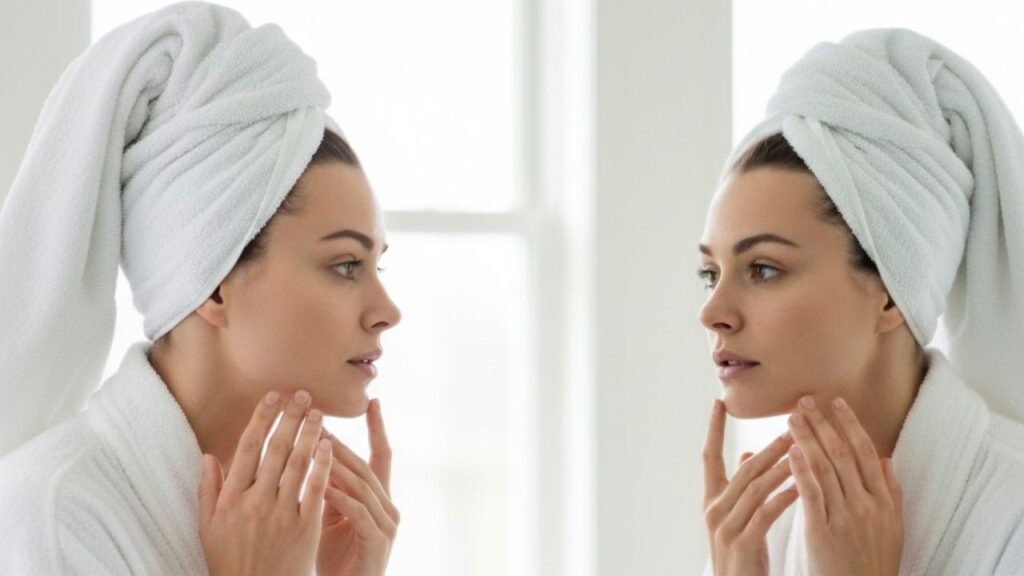
Whether you are chasing a flawless “glass skin” glow or aiming to simplify an overwhelming routine, learning how to use a cleansing balm can be a true turning point for your complexion.

Understanding What a Cleansing Balm Is
A cleansing balm is a solid-to-oil facial cleanser created to melt away makeup, sunscreen, and daily environmental buildup.

Unlike liquid oils, these balms stay solid at room temperature, making them travel-friendly and spill-proof. Once warmed between the hands, the balm transforms into a smooth oil that glides effortlessly across the skin, cleansing deeply while protecting the skin’s moisture barrier.
How a Cleansing Balm Cleanses the Skin
The principle behind cleansing balms is straightforward: like dissolves like. Makeup, sunscreen, and excess sebum are typically oil-based. A well-formulated cleansing balm uses botanical oils and emollients to bind with these impurities.
Because the balm closely resembles the skin’s natural oils, it can reach into pores to lift out buildup that many water-based cleansers leave behind.
Key Benefits of Using a Cleansing Balm
Switching from micellar water to a cleansing balm offers benefits that extend far beyond convenience:

- Effortless Makeup Removal: Breaks down waterproof mascara and long-wear foundation without harsh rubbing.
- Supports the Skin Barrier: Nourishing lipids help prevent the tight, stripped feeling caused by foaming cleansers.
- Deep Pore Cleansing: Dissolves excess oil to reduce blackheads and congestion.
- Encourages Mindful Skincare: The smooth texture allows for gentle facial massage, supporting circulation and lymphatic flow.
- Intense Hydration: A cleansing balm for dry skin delivers essential fatty acids, leaving skin soft and comfortable.
- Foundation of Double Cleansing: Removes oil-based debris first, allowing the second cleanser to work more effectively.
- Gentle for Sensitive Skin: Free from abrasive pads and harsh surfactants, making it ideal for reactive skin types.
Essential Ingredients to Look for in a Cleansing Balm
Choosing the right cleansing balm means balancing performance and skin nourishment. Look for formulas that include:
- Natural Seed Oils: Rosehip, Jojoba, or Almond oil for vitamins and fatty acids.
- Vitamin E: An antioxidant that calms skin and stabilizes the formula.
- Emulsifiers: Ingredients such as PEG-20 Glyceryl Triisostearate that help the balm rinse clean.
- Soothing Additives: Oat kernel oil or Bisabolol to minimize redness during cleansing.
Selecting the Right Cleansing Balm for Your Skin Type
Despite common misconceptions, cleansing balms can suit every skin type when chosen correctly:
- Cleansing balm for dry skin: Rich formulas with Shea butter or Avocado oil help seal in moisture.
- Cleansing balm for oily skin: Lightweight, non-comedogenic options with Grapeseed oil help regulate sebum.
- Cleansing balm for acne-prone skin: Clean-rinsing formulas with Salicylic acid or Tea Tree oil are ideal; mineral oil-free options are best.
How to Use a Cleansing Balm Correctly
Proper technique ensures you get the full benefit of your cleansing balm:
- Start Dry: Apply to a completely dry face using dry hands.
- Warm It Up: Melt a small amount between your fingers until it turns oily.
- Massage Gently: Use circular motions for about 60 seconds, focusing on makeup-heavy areas.
- Emulsify: Add lukewarm water to turn the oil into a milky texture.
- Rinse or Wipe: Rinse thoroughly or remove with a warm, damp cloth.
- Follow with a Second Cleanse: Use a water-based cleanser to complete the routine.
Common Cleansing Balm Mistakes to Avoid
- Applying to Wet Skin: Water reduces the balm’s ability to grip makeup.
- Using Too Much: Excess product can be difficult to rinse and may clog pores.
- Skipping the Hairline: Makeup residue often gathers around the edges of the face.
- Ignoring the Second Cleanse: Double cleansing helps skincare products absorb properly.
Final Thoughts on Cleansing Balms
A cleansing balm is not just about removing makeup—it is a skin-respecting ritual. By selecting a formula suited to your needs, whether a lightweight cleansing balm for oily skin or a deeply nourishing option for dry skin, you create the perfect foundation for a balanced, radiant complexion.