
Keeping oven glass clean can feel impossible once grease and baked-on grime take over, especially in busy Indian households where ovens see frequent use. Many people turn to harsh chemical cleaners, but these often leave fumes and residue behind. A simple baking soda paste trick has quietly become a go-to solution because it uses an ingredient already found in most kitchens. When applied correctly, this natural method helps restore cloudy oven glass to a clear finish, saving time, money, and effort while keeping your home safer and more eco-friendly.
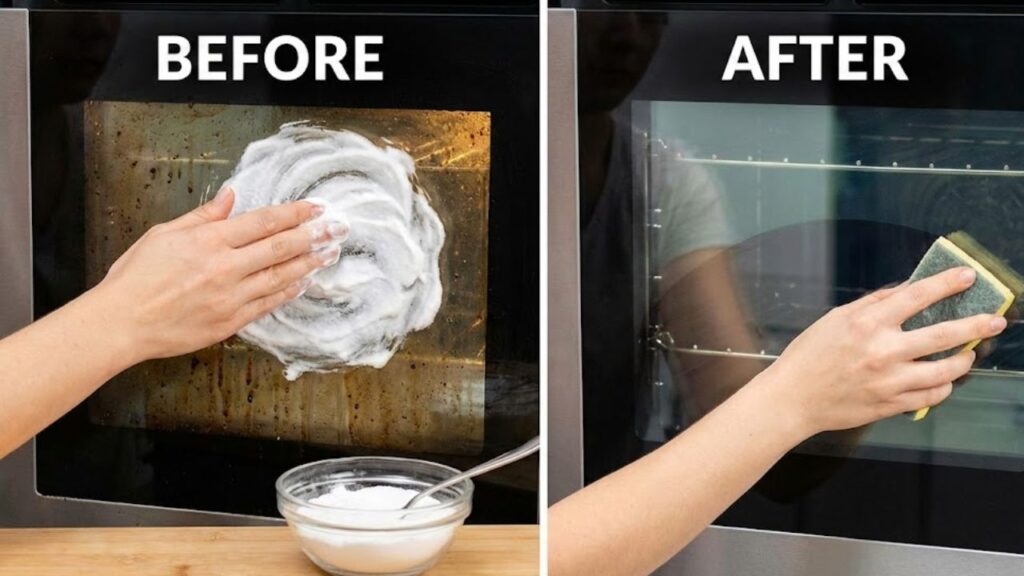
Baking soda paste method for dirty oven glass
The baking soda paste method works because baking soda is mildly abrasive yet gentle enough for glass surfaces. By mixing baking soda with a small amount of water, you create a spreadable paste that clings to grease stains. Once applied, it slowly breaks down buildup without scratching. The real magic happens when you let it sit, allowing natural grease breakdown to occur. This approach avoids harsh chemical fumes, making it ideal for enclosed kitchens. Many users love how the paste delivers visible clarity return with minimal effort and supports eco friendly cleaning habits at home.

Why baking soda cleans oven glass so effectively
Baking soda works at a chemical level that makes it surprisingly powerful for cleaning oven glass. Its alkaline nature reacts with acidic grease residues, loosening their grip on the surface. This reaction allows stubborn stains to wipe away more easily after soaking. Unlike liquid sprays, the paste stays in place, promoting deep grime loosening over time. Because it is non-toxic, it also ensures safe kitchen surfaces for families. The method supports scratch free results while delivering low cost cleaning benefits that outperform many store-bought solutions.

How to apply the oven glass cleaning trick correctly
To get the best results, application matters just as much as the ingredients. Start by spreading the paste evenly across the glass, focusing on darker areas. Let it rest for at least 20–30 minutes so the baking soda can work through the residue. Gentle wiping with a damp cloth then reveals streak free finish without heavy scrubbing. For older ovens, repeating the process helps achieve long lasting shine. This method is valued for its simple home solution feel and offers time saving cleanup for everyday cooks.
Is this baking soda trick worth trying?
For most households, this baking soda paste trick is absolutely worth trying before investing in commercial cleaners. It combines affordability with effectiveness, making it accessible to nearly everyone. The method aligns with budget friendly care while reducing exposure to chemicals. Over time, consistent use helps maintain clear oven visibility and reduces buildup. It also encourages health conscious cleaning routines and promotes sustainable household habits. While extremely neglected ovens may need extra rounds, the overall results prove that simple solutions can still deliver impressive outcomes.
| Cleaning Aspect | Baking Soda Paste | Chemical Cleaner |
|---|---|---|
| Cost | Very low | Moderate to high |
| Fumes | None | Strong |
| Glass safety | Gentle | May be harsh |
| Eco impact | Eco-friendly | Chemical waste |
| Ease of use | Simple | Quick but strong |
Frequently Asked Questions (FAQs)
1. Can baking soda scratch oven glass?
No, when mixed into a paste and wiped gently, it is safe for glass.

2. How long should the paste sit on the glass?
Let it sit for 20–30 minutes for best grease removal.
3. Is this method safe for daily use?
Yes, it is mild enough for regular maintenance cleaning.
4. Will it remove very old stains?
Old stains may need repeated applications for full clarity.