Ceramides and the Skin Barrier: How to Read Moisturiser Claims
Read ceramide moisturiser claims in context, distinguish barrier measurements from eczema outcomes and assess the whole formula.
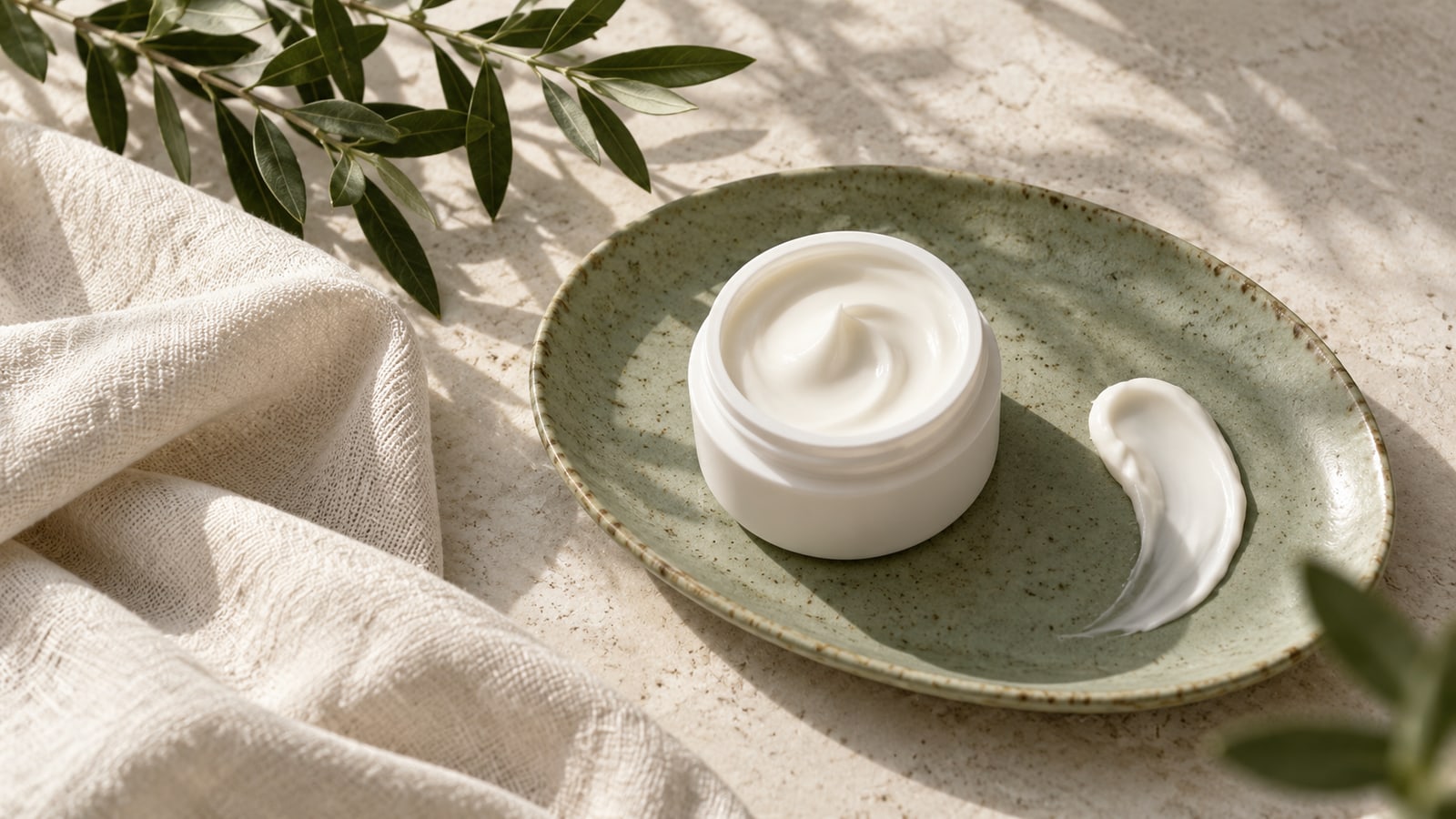
Ceramides appear prominently on moisturiser packaging, often beside claims about strengthening or repairing the skin barrier. The useful distinction is between the role of lipids in skin and the evidence for the particular product in your hand. Those are related questions, but they are not identical.
This guide explains how to read ceramide claims, what two clinical studies can tell us and how to judge a moisturiser in an ordinary routine. A cosmetic product should not be used to diagnose or replace treatment for a persistent rash.
Key takeaways
- Ceramides are among the lipids involved in the outer skin barrier.
- A complete formula matters more than one highlighted ingredient.
- Improved hydration measurements and improved eczema severity are different outcomes.
- A study of one cream or regimen does not prove every ceramide product works the same way.
- Comfort, practical use and an appropriate treatment plan remain important.
On this page
What the barrier description means
DermNet’s skin-barrier overview explains the protective role of the outer skin, including its structure and lipid components. It helps limit water loss and exposure to outside substances. The barrier is a living biological system; describing it as a wall can be useful, but a jar of cream does not literally rebuild it like replacing bricks.
When a label says “barrier support”, ask what that means in measurable terms. Is it reduced dryness, a change in water-loss measurements, improved comfort or improvement in a diagnosed condition? These outcomes should not be swapped without explanation. A person may find a cream pleasant even when a marketing claim is vague, but that preference is different from evidence for treating disease.
Look beyond the headline ingredient
DermNet describes moisturisers as combinations that may contain humectants, emollients and occlusive ingredients. Their jobs include retaining water, smoothing skin and reducing evaporation. Preservatives and other formulation ingredients also matter. A ceramide on the list does not describe the texture, tolerability or performance of the finished product.
Our moisturiser explainer provides a practical introduction to those roles. Use it to compare product purpose, not to create a rule that every routine must contain a separate bottle for each ingredient category.
Check whether the product is intended for face, body, cleansing or leave-on use. A cleanser containing ceramides is still a wash-off product; a cream remains a different application. Do not assume that buying several products from the same range is necessary simply because a brand presents them as a system.
Read the outcome, not just the study headline
A 2021 randomised study by Spada and colleagues tested a ceramide-dominant cream-and-cleanser regimen against placebo in adults with moderate eczema over 28 days. Hydration and water-loss measures favoured the active regimen. However, the difference in eczema severity at day 28 was not statistically significant, and there was no significant between-group difference in rescue steroid use or quality-of-life scores. Several authors worked for the sponsoring manufacturer.
This distinction matters. The trial does not support rewriting “improved barrier measurements” as “proved superior on every eczema outcome”. It also tested two products together, so the result cannot isolate the contribution of one ingredient. Industry involvement does not automatically invalidate a study, but it is relevant context when assessing an advertisement that cites it.
A separate study published online in 2012 of a ceramide-precursor moisturiser compared treated and untreated lower-leg areas in people with controlled atopic dermatitis over about four weeks. The treated area showed improvements in water loss, hydration and dryness. Because the comparison was with untreated skin, it does not establish superiority over every ordinary moisturiser. We reviewed the primary abstracts for these examples, not all underlying trial data.
Use a small set of evidence questions
| Claim or detail | Check | Why it matters |
|---|---|---|
| Clinically tested | Was the finished product or only an ingredient tested? | The evidence may describe a different formula |
| Improves the barrier | Which measurement changed? | Hydration, symptoms and disease severity are not interchangeable |
| Results in eczema | What other treatment did participants receive? | A moisturiser may have been an adjunct |
| Several ceramides | What supports the complete combination? | Counting ingredient names does not rank effectiveness |
| Better than control | Was control another cream, vehicle or no treatment? | Different comparisons answer different questions |
Try applying the table to one product rather than collecting dozens of ingredient lists. If the manufacturer supplies only a short summary, note what is missing. You can still make a practical buying decision while recognising that a precise claim remains unverified.
Also distinguish the person studied from the person buying. Research in adults with a particular diagnosis does not automatically establish benefit for infants, every skin tone, every body site or people with unrelated concerns. Ask a clinician or pharmacist when the proposed use falls outside ordinary cosmetic moisturising.
Fit the product to your actual needs
The American Academy of Dermatology’s moisturiser advice recommends considering skin type and texture, including creams or ointments for dry skin, and avoiding fragrance when it irritates. Ceramides are one potentially useful component, not a requirement to abandon a comfortable product that already meets your needs.
Write down the problem you want to solve: tightness after cleansing, a body cream that is too difficult to spread, or a moisturiser that clashes with prescribed treatment. Then ask whether the proposed replacement addresses that issue. Compare cost per amount you will actually use, not just the size of the bottle or the prominence of its ingredient badge.
Describe the discomfort or practical difficulty with your current product.
Identify the tested formula, comparison and outcome.
Check tolerability and whether the product fits your care plan.
When a skin condition changes the decision
If you have eczema, follow the agreed treatment plan and ask where a new moisturiser fits. Our eczema guide can help prepare that conversation. A claim about barrier support is not an instruction to stop prescribed anti-inflammatory treatment.
Persistent burning, a new rash or worsening discomfort should not be dismissed as the product “working”. Keep the packaging and note other products started around the same time. The cause might involve an ingredient other than the ceramide. See our contact dermatitis guide for questions about irritation and allergy.
It is reasonable to stop adding products while seeking advice about a recurring problem. A simpler record makes it easier to explain what changed. If the main concern is understanding another hydration ingredient, our hyaluronic acid guide separates product claims from the evidence behind them.
Common questions
Does every dry-skin routine need ceramides?
No single ingredient is compulsory for everyone. Judge whether the product meets your needs comfortably and whether a diagnosed condition needs additional treatment.
Are more ceramide names automatically better?
No. The number on the label does not establish how the full formula performs. Ask for evidence behind a specific superiority claim.
Does improved hydration prove eczema is controlled?
No. Hydration measurements and eczema symptoms or severity are different outcomes. Ask which outcome a study actually assessed and whether groups differed.
Can I transfer a cream trial to a cleanser?
Not automatically. Leave-on and wash-off products have different uses. A study of a combined regimen also cannot isolate what each product contributed.
Does manufacturer sponsorship make a study worthless?
No, but it should be disclosed and considered. Look at the comparison, methods and reported outcomes rather than accepting either automatic dismissal or promotional certainty.
Can a barrier cream replace prescribed eczema medicine?
Do not make that change from a cosmetic claim alone. Ask the prescriber how moisturising and active treatment should work together.
Is stinging proof of barrier repair?
No. A concerning reaction needs attention. Record the product and timing, and seek advice when symptoms persist or recur.
What if my existing moisturiser already works well?
You do not need to replace it solely because another product highlights ceramides. A clear practical benefit is a better reason to change than an unfamiliar label term.
Sources and further reading
Sources checked 21 October 2026. Trial summaries use primary abstracts; clinical review is not claimed.
Keep exploring
A Simple Skincare Routine: The Essentials Before You Add More Products
A practical starting point for cleansing, moisturising and sun protection, with room for your skin’s needs and your budget.
How to Choose a Facial Cleanser for Your Skin’s Needs
Choose a facial cleanser by its purpose, instructions and comfort, with practical checks for labels, budget and your existing skincare.
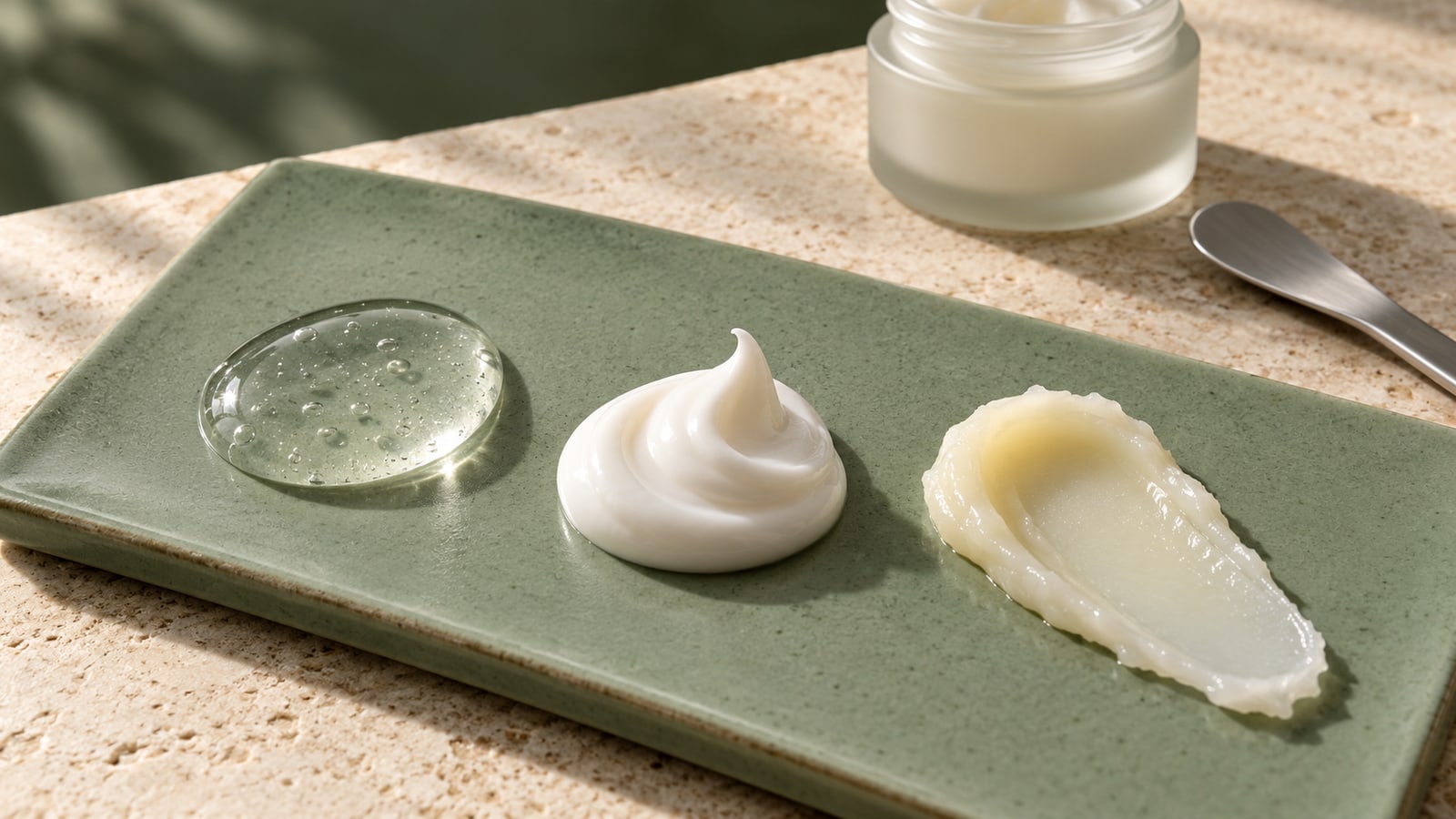
Humectants, Emollients and Occlusives: What a Moisturiser Actually Does
Understand the different jobs moisturiser ingredients perform and how to assess a finished product without buying unnecessary extra steps.
Niacinamide in Skincare: Uses, Evidence and Possible Irritation
Read niacinamide claims in context, understand what small trials studied and assess a finished formula without assuming stronger is better.