
The first thing you notice is the mirror. Not how it hangs slightly crooked in the bathroom or the toothpaste splatter near the edge but how your smile looks a little more tired than you remember. The color is not exactly bad. It just does not match the bright & relaxed grin you see in commercials and on social media. You press your lips together and tilt your head while thinking about those whitening strips in the drugstore aisle. The ones that promise movie-star teeth but leave your gums buzzing and your wallet noticeably lighter. You think about booking a professional treatment and then remember the cost. A quieter question drifts in after that. Is there a gentler way? A way that does not involve harsh chemicals or aching sensitivity or a small panic attack at the dentist’s front desk?
The American Obsession with White Teeth (And Why Yours Don’t Look “Perfect”)
In the United States, teeth have become tiny billboards for identity. A bright smile is often read as a signal of health, success, confidence, and self-control. It quietly suggests, “I have my life together.” Meanwhile, daily life sends a very different message. Coffee in the morning, soda in the afternoon, wine at night, stress, aging, and time all leave their mark. The result is a gap between what people expect their teeth to look like and what most natural teeth actually look like.

Most Americans do not have naturally glowing, paper-white teeth. The ultra-bright shades seen in advertisements are usually the result of bleaching, lighting tricks, and digital editing. Real teeth are typically off-white, with hints of yellow or grey. Enamel, the outer layer of the tooth, is slightly translucent, and beneath it lies dentin, which has a natural yellow tone. As enamel wears down with age and use, that dentin becomes more visible, making teeth appear darker over time.

Why Teeth Change Color Over Time
When people ask why their teeth look yellow, the answer is often very simple: life. Morning coffee before work, iced tea with lunch, red wine with friends, and deeply colored foods like berries, tomato sauce, and soy sauce all leave behind pigments. These stains don’t appear overnight. They settle slowly, building layer by layer, much like rings in a tree. Missed brushing sessions, rushed routines, and inconsistent flossing allow those pigments to cling even more easily.
The encouraging news is that brightening your smile does not require harsh strips, painful lasers, or aggressive treatments. There are gentler, safer ways to improve the appearance of your teeth at home. These methods focus on patience, consistency, and respect for your enamel rather than chasing instant, extreme results.
What “Safe” At-Home Whitening Really Means
Before exploring whitening methods, it’s important to understand what safety actually means for your teeth. Enamel does not grow back. Once it is worn away or damaged, it is gone for good. Many aggressive whitening products rely on strong peroxide concentrations or abrasive particles that strip away surface stains along with healthy enamel. Over time, this can lead to sensitivity, gum irritation, micro-cracks, and an uneven, chalky appearance.
Safe at-home whitening rests on three core ideas. First, protect your enamel by avoiding products that feel gritty, overly acidic, or painfully strong. If something burns or causes sharp sensitivity, it is not gentle care. Second, respect your gums, because healthy gums frame your smile and make teeth look better regardless of color. Third, practice patience. Slow, gradual brightening is far more sustainable than fast, dramatic changes that come at a cost.
| Daily Habit | Effect on Whiteness | How Gentle Is It? |
|---|---|---|
| Brushing 2x/day with soft brush | Prevents new stains, removes surface buildup | Very gentle when done with light pressure |
| Daily flossing | Brightens between teeth, supports gum health | Gentle if you avoid snapping into gums |
| Rinsing with water after coffee/tea | Reduces stain particles sticking to enamel | Extremely gentle |
| Using mild whitening toothpaste | Gradual brightening over weeks | Gentle if not overly abrasive |
Daily Habits That Naturally Brighten Your Smile
Whitening does not begin with a product; it begins with habit. Brushing twice a day for two full minutes with a soft-bristled toothbrush is the foundation. Gentle circular motions along the gumline are far more effective than scrubbing hard. Brushing aggressively does not whiten faster; it simply wears down enamel.
Using a mild whitening toothpaste can help lift surface stains without causing damage. Look for formulas with low levels of peroxide or gentle polishing agents. If sensitivity is an issue, alternate between regular fluoride toothpaste and whitening toothpaste. Daily flossing is equally important, as stains and plaque build up between teeth as well. Cleaner surfaces reflect light better, making teeth appear brighter even without active whitening.
Simple Habits That Reduce New Stains
If you enjoy coffee, tea, or red wine, rinsing your mouth with plain water afterward can make a noticeable difference. A quick swish for 10 to 20 seconds helps wash away pigments before they settle into enamel. This small habit does not erase existing stains, but it significantly slows the buildup of new ones.
These habits work quietly in the background. Over time, they create a cleaner, healthier foundation that allows any whitening effort to be more effective and more comfortable.
Gentle Home Rituals That Support Whitening
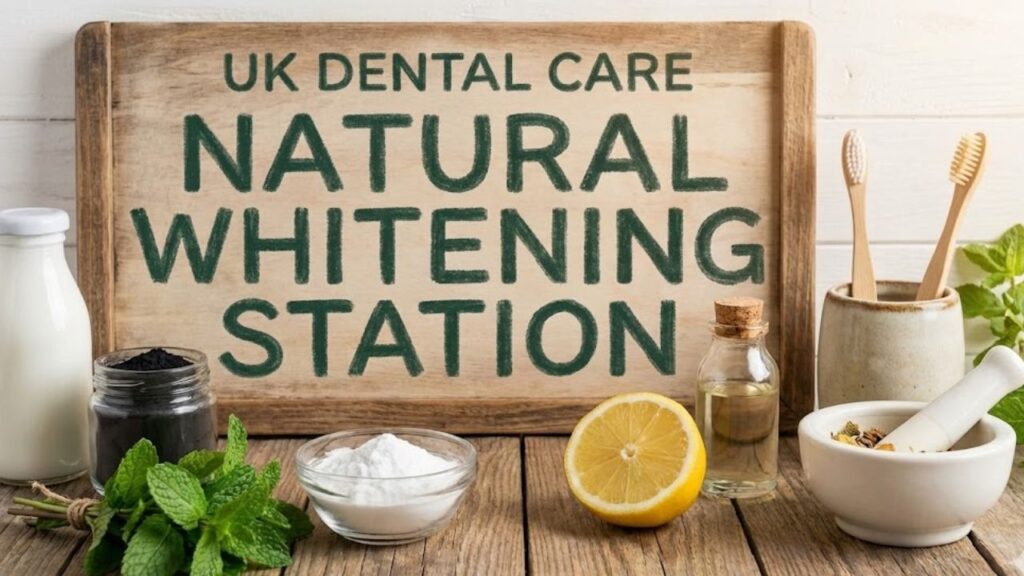
Discussions about natural whitening often drift toward extremes, such as daily baking soda scrubs, lemon juice rinses, or abrasive charcoal powders. While these may feel effective in the moment, they can slowly damage enamel. Gentler home practices work best as supportive rituals, not aggressive treatments.
Oil pulling is one such option. Swishing a small amount of coconut or sesame oil for five to ten minutes can help reduce plaque and leave the mouth feeling cleaner. It does not bleach teeth, but by removing buildup near the gumline, it can make teeth appear slightly brighter. Baking soda can also help when used sparingly. Limiting it to once a week, using a very thin paste, and brushing gently helps minimize abrasion.

Using Peroxide Products the Smart Way
Not all peroxide-based products are the same. Low-concentration options such as whitening toothpaste, gentle mouth rinses, or paint-on pens can gradually brighten teeth without excessive sensitivity. These products work slowly, often showing subtle results after one to two weeks and more visible improvement after consistent use over a month.
It is important not to overload your routine. Using multiple strong products at the same time increases the risk of sensitivity and gum irritation. Following instructions carefully and listening to your body are essential. If your teeth begin to feel sharp, achy, or overly sensitive, scaling back is a sign of wisdom, not failure.
Building a Balanced Whitening Routine
A safe whitening routine works best when it is layered thoughtfully. Morning brushing with regular fluoride toothpaste, rinsing with water after dark beverages, and evening brushing with a mild whitening toothpaste can be enough for many people. Adding a low-strength whitening rinse a few times a week provides an extra boost without overwhelming your teeth.
This balanced approach avoids harsh treatments while still creating noticeable improvement. Over time, teeth often look cleaner, brighter, and healthier, without the discomfort that comes from aggressive whitening.
How Food Choices Affect Tooth Color
Certain foods can actually support a brighter smile. Crunchy fruits and vegetables like apples, celery, and carrots stimulate saliva and gently scrub tooth surfaces as you chew. Dairy products such as cheese and yogurt provide calcium and phosphates that help strengthen enamel, improving how teeth reflect light.
Water plays a powerful supporting role. Drinking it during meals helps rinse away pigments before they settle. You do not need to eliminate coffee or wine completely. Simple strategies, such as using a straw, drinking beverages in shorter time frames, and alternating with water, allow enjoyment without excessive staining.
When At-Home Whitening Has Limits
Not all discoloration can be addressed at home. Teeth that appear grey, have deep internal stains, or show uneven color due to trauma or medication may not respond to surface whitening. In these cases, pushing harder with DIY methods often leads to damage rather than improvement.
A dental checkup is important if one tooth is noticeably darker, if sensitivity is persistent, or if there are visible spots or cracks. Sometimes focusing on dental health rather than color produces the most attractive result. A healthy, slightly off-white smile often looks better than an overly bleached one with irritated gums.
Redefining What a “White” Smile Means
There is relief in letting go of unrealistic standards. The blindingly white smiles in advertisements are often enhanced by editing and lighting. Natural teeth have warmth and variation. Wanting them to look cleaner and brighter does not mean erasing their history; it means caring for them thoughtfully.
Safe home whitening is about removing the film of daily life, protecting enamel, and supporting gum health. With gentle care over time, your smile can look fresher and more confident without pain or extremes. The goal is not perfection, but comfort and confidence in the smile you already have.