
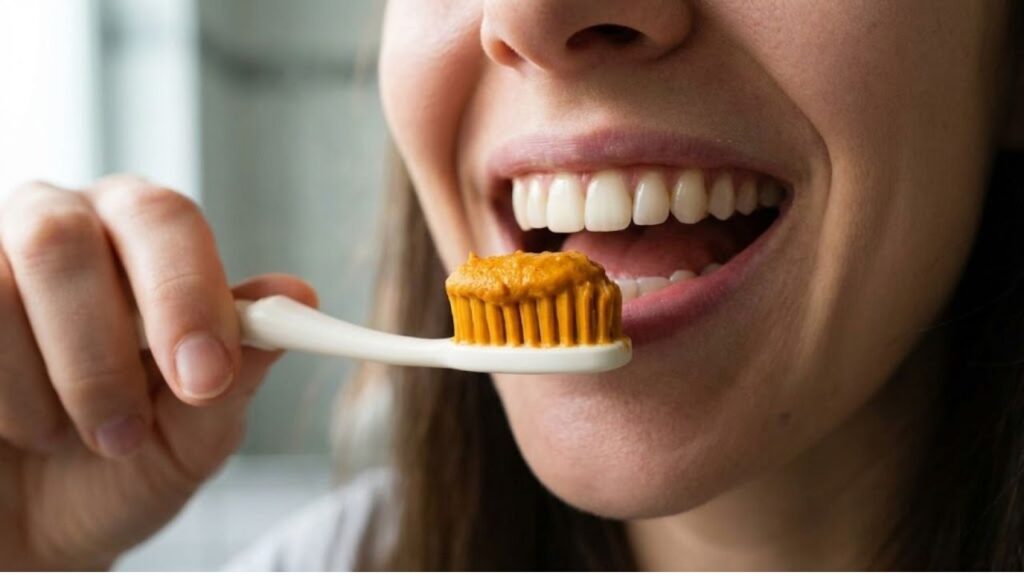
The first time I brushed my teeth with bright yellow turmeric I paused & wondered if this made any sense. My bathroom smelled warm and earthy like a kitchen instead of a place for dental care. When I looked in the mirror my smile appeared gold and foamy like I had made some kind of mistake rather than taking a step toward whiter teeth. But I decided to keep going because I was curious. I had spent several weeks learning about natural methods to remove stains without damaging the delicate enamel that protects our teeth. So I stood there holding my toothbrush in one hand & a small bowl of turmeric paste in the other while hoping this simple spice might work better than the aggressive whitening strips I had tried before.
Why a Kitchen Staple Is Finding Its Way to the Sink
The first time I used bright yellow turmeric to brush my teeth I stopped and questioned whether this was a good idea. My bathroom had a warm earthy smell that reminded me of cooking rather than oral hygiene. Looking in the mirror I saw my smile covered in gold foam that looked more like an error than a path to whiter teeth.

But I continued because I wanted to see what would happen. I had spent weeks researching natural ways to remove stains without harming the protective enamel on teeth. So I stood there with my toothbrush in one hand & a small bowl of turmeric paste in the other hoping this basic spice might work better than the harsh whitening strips I had used before.

The Subtle Science Inside a Golden Paste
Turmeric has a warm smell but it also has real science behind it. Curcumin is the substance that gives turmeric its color and it belongs to a group called polyphenols that have antioxidant & anti-inflammatory effects. Traditional medicine has used it for hundreds of years to reduce irritation and provide relief. Most stains on teeth form on the enamel surface where they attach to plaque and leftover particles. Whitening products that contain peroxide remove stains through a chemical bleaching process but they can irritate the delicate tissue under the enamel. Turmeric works differently because it does not bleach.
When you mix it into a paste with the right ingredients it acts more like a mild cleaning agent that breaks down the layer where stains stick. You can compare enamel to glass. The goal is not to wear it down but to clean it gently over time without causing damage. A good turmeric paste follows this approach. Fine turmeric powder mixes with very gentle scrubbing particles & calming oils to polish the surface without being harsh. Coconut oil is often included because it helps the toothbrush move smoothly and allows the turmeric to reach small spaces near the gums.
How to Mix a Turmeric Paste That Respects Enamel
Making a turmeric stain removal paste is surprisingly straightforward and feels similar to preparing a natural face mask. You only need a handful of ingredients but getting the proportions right matters. You want something that spreads easily and feels smooth rather than rough while being effective against stains without damaging your tooth enamel.
Picture yourself with a small mixing bowl and a measuring spoon along with a few common household items. Each ingredient serves a specific function. Some work to brighten your teeth while others provide a gentler touch & help create the right consistency. When you mix them properly the result leaves your teeth feeling clean and polished instead of worn down.
| Ingredient | Main Purpose | Enamel-Safe Guidance |
|---|---|---|
| Ground turmeric (good quality) | Helps lift stains, antioxidant support | Use sparingly; more is not better. |
| Fine baking soda | Mild abrasive, balances acids | Add lightly; the paste should feel smooth. |
| Coconut oil or similar oil | Lubricates, improves mouthfeel | Ensures bristles glide instead of scrape. |
| Optional cosmetic clay | Extra polishing support | Only ultra-fine clay, used minimally. |
| Optional peppermint or clove | Freshness and flavor | Highly diluted and oral-safe only. |
In practice, the paste might start with a teaspoon of softened coconut oil, tinted golden with a pinch of turmeric, then thickened gently with baking soda. When lifted, it should cling briefly before easing back—never gritty, never dry. If it feels sandy on your tongue, adjust or remake it. Enamel does not regenerate; every choice should protect it.

Turning Brushing into a Careful Weekly Ritual
Using turmeric paste for the first time takes some confidence. The bright yellow color might seem unusual at first. When you start brushing you will feel how different it is from regular toothpaste. The oil makes it glide smoothly across your teeth and it has a warm earthy taste without any foaming action. This approach works better when you stay gentle and focused. Apply light pressure and move in small circles around your gumline and anywhere stains have built up. Treat your teeth like you would treat a piece of furniture you care about rather than a dirty pan that needs hard scrubbing.
How often you use it makes a difference. Turmeric paste should be used once or twice each week instead of every day. On the days in between stick with your normal fluoride toothpaste to keep cavities away. When you finish brushing rinse your mouth well until the water looks clear. Some people prefer to brush again quickly with their regular toothpaste to get a fresh feeling. The changes happen gradually. After some time passes you will notice that stains become lighter and your teeth look brighter. If you had any tooth sensitivity from using harsher products before it will usually get better.
Stains as Memories and the Pace of Natural Brightening
Every stain tells a story about coffee with friends or wine at night or summer berries. Turmeric paste does not delete these memories but helps fade their marks. Natural brightening requires patience. A healthy smile is not always the whitest one available but rather one that looks well maintained & feels strong. This slower routine helps you notice areas you might have missed before and encourages better brushing habits overall. This method proves that whitening does not need to be painful. Instead of sacrificing comfort for results turmeric only asks for your time & attention while helping you develop more consistent care habits.
Listening Closely to Your Mouth’s Signals
Even gentle whitening methods require careful attention. Your mouth will show you what is working and what is not. Stop using the product if you notice sensitivity or irritation. People with gum problems or dental work like crowns and veneers should talk to their dentist before trying turmeric whitening. Watch for these warning signs and stop immediately if they happen: Gums that stay irritated or feel like they are burning Teeth that hurt more when exposed to cold foods or sugar White spots that look uneven or patchy Enamel that feels rough or seems thinner The problem usually comes from scrubbing too hard or using products with harsh particles rather than from turmeric itself. Good results happen when you combine safe ingredients with a light touch.