
The first time you really notice your lower abs is rarely at the gym. It usually happens in a dressing room under harsh lighting when you pull at your waistband & see that soft curve sitting just below your belly button. Trainers call it the lower abdominal region. Most people have different names for it. That small stubborn area doesn’t seem to respond no matter how many crunches you do or how many core workouts you try or how long you hold planks. It just stays there. This is where a very specific lower ab exercise comes into play. American trainers now quietly believe it targets the lower abs more effectively than all those traditional crunches you’ve been doing for years.
The Moment Traditional Crunches Quietly Lost Their Throne
In many modern American gyms, something subtle has changed. You don’t hear dramatic debates or see signs banning old exercises. Instead, you notice what’s missing. The classic crunch, once a staple of every ab routine, is slowly fading from serious training programs. In its place, trainers are guiding clients toward a movement that looks smaller, calmer, and almost understated: the reverse crunch. In bright studios filled with mats and quiet focus, people lie on their backs, knees bent and floating, moving with control rather than force. There’s no neck pulling, no frantic repetitions—just a gentle pelvic curl that speaks directly to the core.

Why Trainers Are Choosing Control Over Chaos
The reverse crunch shifts the story of ab training. Traditional crunches mainly flex the upper portion of the rectus abdominis, drawing the ribs toward the pelvis. The reverse crunch flips that idea. Instead of lifting the chest, you move the pelvis toward the ribs. The muscle is the same, but the emphasis changes. Trainers often hear clients say they want to “feel it down there,” pointing to the lower belly. This controlled pelvic movement finally gives that area a clear job to do, without dragging the neck or straining the lower back.

How Gravity Changes Everything for Your Lower Abs
One reason the reverse crunch feels so precise is the way it works with gravity. In a traditional crunch, gravity loads the upper abs first, and the hip flexors often jump in to help. In a reverse crunch, your legs and hips become the resistance. The lower portion of your abs has to initiate the movement, curling the tailbone slightly off the floor. The motion is small but intense. Your shoulders stay relaxed, your neck rests, and the work happens deep in the core, almost quietly.
The Trainer-Approved Reverse Crunch Technique
Lie on your back with your arms by your sides and shoulders relaxed. Bring your hips and knees to about 90 degrees, shins parallel to the floor. Lightly anchor your lower back into the mat. As you exhale, draw your knees slightly toward your chest and curl your tailbone off the floor, lifting your hips just an inch or two. Pause briefly at the top, then slowly lower your spine back down, one vertebra at a time. The goal isn’t height—it’s control. Fewer perfect reps beat dozens of rushed ones.
Where the Reverse Crunch Fits Among Lower Ab Exercises
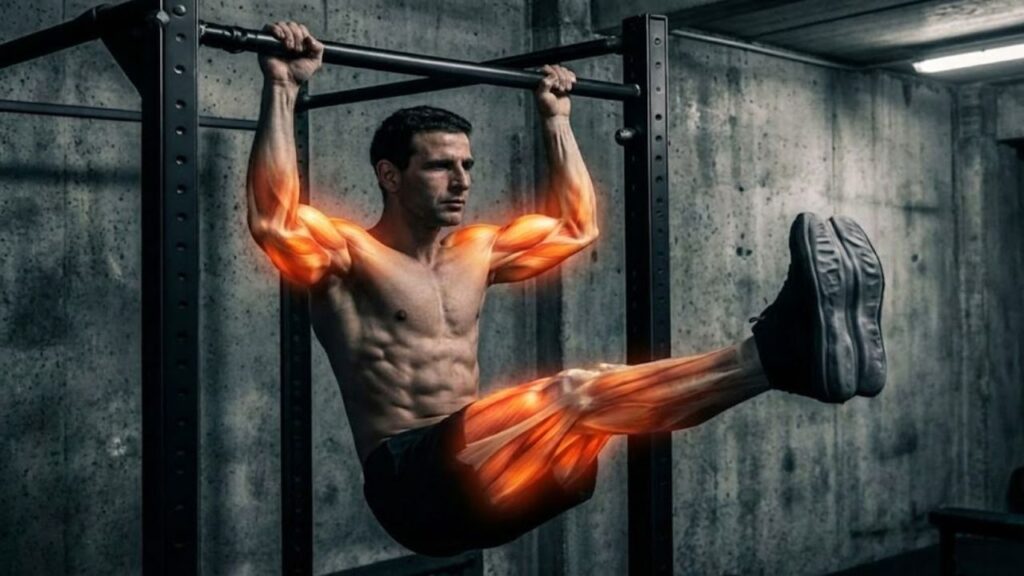
Gyms are full of movements that promise lower-ab strength: leg raises, flutter kicks, hanging knee tucks. Many look impressive but are hard to perform well. They often shift the workload to the hip flexors or strain the lower back. Trainers notice that the reverse crunch stands out because it’s easier to do correctly. The spine stays supported, the range of motion is small, and the focus remains where it should be—on the abs controlling the pelvis.
| Ingredient Used | Primary Benefit | Ideal For |
|---|---|---|
| Amla Powder | Softens strong red tones into cooler auburn and boosts hair body | Anyone aiming to reduce orange hues and achieve a balanced brown-red shade |
| Indigo Powder | Transforms henna color into deep brown or near-black tones | Gray coverage seekers or those wanting dark brunette results |
| Cassia (Neutral Henna) | Enhances shine with a light golden glow and little color deposit | Blonde or light hair types looking for warmth and gloss |
| Black Tea / Coffee | Adds subtle depth and richness to overall hair tone | Medium to dark hair needing a deeper, fuller color finish |
| Chamomile Tea | Naturally brightens with soft golden warmth | Light hair shades wanting a gentle sun-lit effect |
| Aloe Vera Gel | Improves moisture retention and smooth paste consistency | Dry, curly, or fragile hair needing added hydration |
| Essential Oils (Lavender, Rosemary) | Enhances fragrance and may calm or stimulate the scalp | Those sensitive to henna scent or focused on scalp comfort |
Building a Lower Ab Ritual Instead of a Punishment
There’s a growing shift away from crushing ab workouts toward building consistent, mindful routines. The reverse crunch fits perfectly into this approach. Performed a few times a week, it becomes a quiet check-in with your core. Over time, you can slow the tempo, add pauses, or increase sets. Progress doesn’t move in a straight line, and that’s normal. The strength builds gradually, through repetition and attention, not extremes.

A Simple Lower Ab Session You Can Repeat Anywhere
A short session might include dead bugs to teach bracing, reverse crunches as the main focus, a modified side plank for balance, and a gentle stretch at the end. Ten to fifteen minutes is enough. No equipment, no spectacle—just steady work that reinforces connection through your center.
Common Mistakes That Reduce the Effect
Swinging the legs instead of curling the pelvis is the most common issue. Momentum replaces muscle, and the lower abs miss their chance to work. Lifting the head and neck adds unnecessary tension. Arching the lower back on the way down shuts the abs off too early. Speed and high reps often dilute the movement. Trainers cue slow, internal control—imagining the belly drawing inward as the pelvis tilts.
How to Adjust Difficulty Without Losing Focus
To make the reverse crunch easier, shorten the lever by keeping knees closer to the chest and limit the range of motion. To make it harder, add pauses at the top, slow the lowering phase, or extend the legs slightly. In every variation, the intention stays the same: a smooth, deliberate pelvic curl led by the lower abs.
The Quiet Confidence of a Strong Lower Core
Over time, the benefits show up beyond the mat. Lifting, running, balancing—all begin to feel more stable. The lower abs don’t shout for attention; they simply support and protect. Visible definition depends on many factors, but strength and control are always worthwhile. Trainers continue to favor the reverse crunch because it delivers without drama. It teaches movement from the center outward and replaces old crunch marathons with something smarter, safer, and more sustainable.
Closing Thought
Next time you train your core, consider skipping the rush of endless crunches. Lie back, breathe, and let the floor support you. Bring your knees up, exhale, and gently curl your tailbone toward your ribs. Listen closely. Your lower abs have been waiting for this conversation.