
The first time I noticed it was on the bus home from a long autumn hike. My feet had that tired satisfied ache and my backpack was slumped between my knees while the windows fogged up from everyone breathing. Then slowly the air around me started to change. A sour damp unmistakable smell began to appear. It was wet wool and stale sweat with something almost metallic mixed in. I looked down at my mud-streaked hiking boots & realized with embarrassment that the smell was coming from me. You probably know that quiet dread when you slip off your shoes after a long day & brace yourself for what comes next. Or when someone walks into your home and you suddenly become aware of your sneakers sitting by the door. Or when you open the shoe cabinet and get hit by that wave of smell. We don’t talk much about it but shoes hold stories and smells far longer than we want them to. We reach for sprays and perfumed powders and those neon gel inserts at the drugstore that promise twenty-four hour odor control & smell like a citrus factory explosion. But out in the quieter corners of the world on porches and in cabins and mudrooms that smell of woodsmoke and pine people are using something simpler. Something that doesn’t hiss from an aerosol can or come wrapped in glossy plastic. There is a way to keep your shoes fresh that feels less like fighting nature and more like working with it. It’s quiet and cheap and almost old-fashioned. And it starts with a small cotton bag and a handful of dark whisper-light pieces of carbon.
The Invisible Cause Behind Shoe Odor
Shoe odor is often blamed on sweat, but sweat itself is not the real problem. Fresh sweat is mostly water and salt and has very little smell. The issue begins once that moisture stays trapped inside shoes. Feet contain a high concentration of sweat glands, and when enclosed in warm, dark footwear, the moisture has nowhere to escape. Insoles, foam padding, synthetic fabrics, and tight seams create damp spaces where bacteria thrive. These bacteria feed on sweat and dead skin cells and release sharp, sour-smelling compounds. That familiar foot odor is not sweat—it is bacterial waste reacting inside a humid environment.

Why Sprays Only Hide the Problem
Most shoe sprays attempt to overpower odor rather than solve its source. They rely on strong fragrances or antibacterial chemicals that temporarily dominate the smell. For a short time, shoes may smell like citrus, mint, or “fresh linen.” But once the scent fades, the moisture remains. The damp environment allows bacteria to return quickly, often leaving behind a mix of artificial perfume and lingering odor. This creates a cycle where sprays are used repeatedly without addressing the underlying issue of trapped moisture and airborne odor compounds.

Activated Charcoal and the Power of Absorption
Activated charcoal offers a quieter and more effective approach. Unlike sprays, it does not mask or attack odors. Activated charcoal is processed to become extremely porous, creating millions of microscopic spaces. These pores attract and trap moisture and odor-causing molecules through adsorption. A small amount of charcoal has an enormous surface area, allowing it to absorb humidity and volatile compounds from the air inside shoes. Instead of adding scent, it removes what bacteria need to survive, slowly neutralizing the environment.
How Many Bags, How Often, and For Which Shoes?
You don’t have to stockpile charcoal to keep your footwear fresh. A small, well-planned rotation of charcoal bags is more than enough for everyday shoe care. When used consistently—even just a few nights a week—charcoal absorbs lingering moisture and odors before they settle in. The key isn’t quantity, but timing. By matching the right amount of charcoal to each shoe type, you can maintain freshness without extra effort or clutter.
| Type of Shoe | Charcoal Bag Recommendation | Helpful Tip |
|---|---|---|
| Daily Sneakers | 1 compact bag per shoe, overnight | Best for shoes worn almost every day |
| Gym or Running Shoes | 1–2 bags per shoe after use | Allow shoes to dry slightly before inserting |
| Leather Boots | 1 bag per shoe between wears | Reduces trapped moisture from storage |
| Formal Dress Shoes | 1 slim bag per shoe | Works best alongside wooden shoe trees |
| Flats and Sandals | 1 bag placed on insole overnight | Position under straps or footbed |
There’s no need to aim for perfection. Even occasional use delivers noticeable results. With time, your shoes stop holding onto unpleasant smells and instead stay clean, dry, and neutral—ready to wear without hesitation.
The Simple Charcoal Shoe Trick
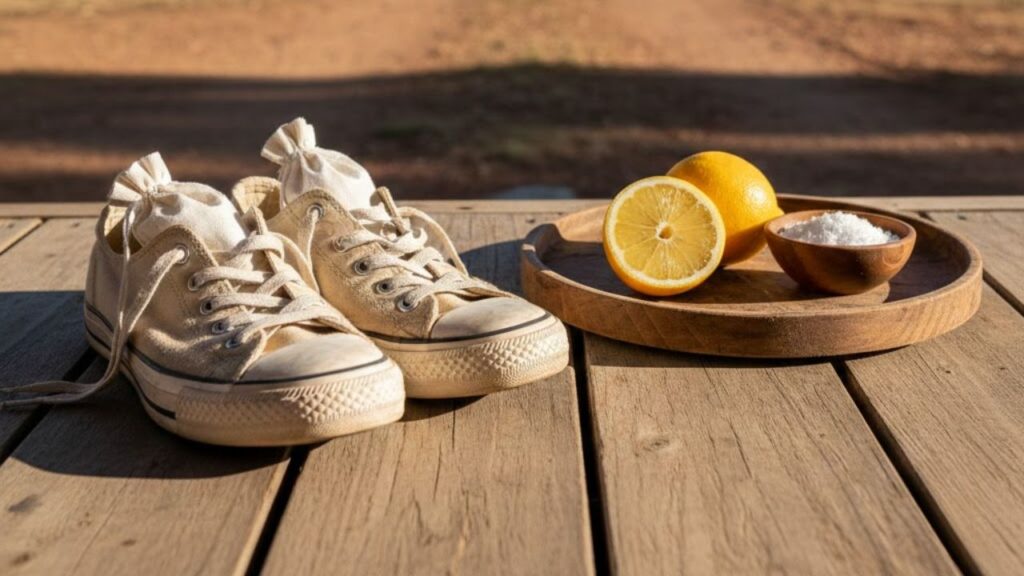
Using activated charcoal is remarkably simple. Small fabric pouches filled with charcoal are placed inside shoes when they are not being worn. Overnight, the charcoal absorbs moisture and odor molecules from the enclosed space. No spraying, shaking, or cleaning is required. Ready-made charcoal shoe deodorizers are widely available, but they can also be made at home using cotton or linen pouches and food-grade activated charcoal pellets. Once placed inside shoes, they work silently, leaving footwear dry and neutral by morning.
How to Use Charcoal as a Daily Ritual
The process can become part of a calming routine. After removing shoes at the end of the day, a charcoal pouch is placed inside each one, ideally near the toe area where moisture builds up. Shoes are left to rest overnight while the charcoal absorbs dampness and odor. In the morning, shoes feel dry and smell neutral rather than perfumed. To maintain effectiveness, the charcoal pouches should be placed in sunlight every few weeks. Sun and fresh air help release trapped moisture and refresh the charcoal for continued use.

Why Charcoal Feels Better Than Chemical Fresheners
Charcoal offers freshness through absence rather than fragrance. There is no artificial scent, no chemical residue, and no overpowering smell. This makes it especially appealing for people sensitive to fragrances. Unlike disposable sprays packaged in plastic or metal, charcoal deodorizers are reusable for months or even a year. When their usefulness ends, the charcoal can be added to garden soil or potted plants, where it improves drainage and supports beneficial microbes. This creates a more sustainable and gentle solution.
Supporting Habits That Boost Freshness
Charcoal works best when combined with simple habits. Rotating shoes allows each pair to dry fully between uses. Removing insoles after heavy wear helps release trapped moisture. Choosing breathable materials such as mesh or natural fibers reduces humidity buildup. Washing insoles occasionally removes residue that bacteria feed on. These small actions reduce the burden on charcoal and keep shoes fresher for longer without additional products or effort.
Using Charcoal Beyond Shoes
Once charcoal becomes part of daily life, its usefulness extends beyond footwear. Charcoal bags work well in gym bags, lockers, closets, and suitcases. They absorb musty odors in enclosed spaces and help control moisture during travel. For outdoor activities, placing charcoal bags in boots overnight helps reset footwear after long hikes. This simple habit can make mornings more comfortable and eliminate the need to brace for unpleasant smells.
Turning a Hack Into a Personal Ritual
What starts as a practical solution can become a meaningful ritual. Charcoal pouches can be stored in decorative bowls, handmade containers, or sewn from repurposed fabric. Placing them into shoes at the end of the day becomes a small act of care—an intentional pause that marks the transition from activity to rest. In a world filled with loud, disposable solutions, activated charcoal offers a quiet, reusable alternative that works with nature rather than against it.
Letting Shoes Tell Their Story Without the Smell
Shoes naturally collect memories of daily life—long walks, rain-soaked streets, dusty trails, and crowded commutes. With charcoal absorbing moisture and odors, those stories remain experiences rather than unpleasant scents. When shoes are removed, there is no sharp reminder of the day’s effort, only a sense of neutrality and comfort. It is a small change, but one that makes everyday moments feel lighter, calmer, and more intentional.