
The world of hair colour is undergoing a noticeable transformation as hair melting gains popularity as a refined and practical alternative to traditional balayage, particularly for those looking for effective gray coverage. This technique blends colour effortlessly with natural tones, allowing gray strands to soften into the background rather than stand out. As more people move toward low-maintenance beauty routines, hair melting has emerged as a go-to option, delivering a natural finish while reducing the need for frequent salon visits.
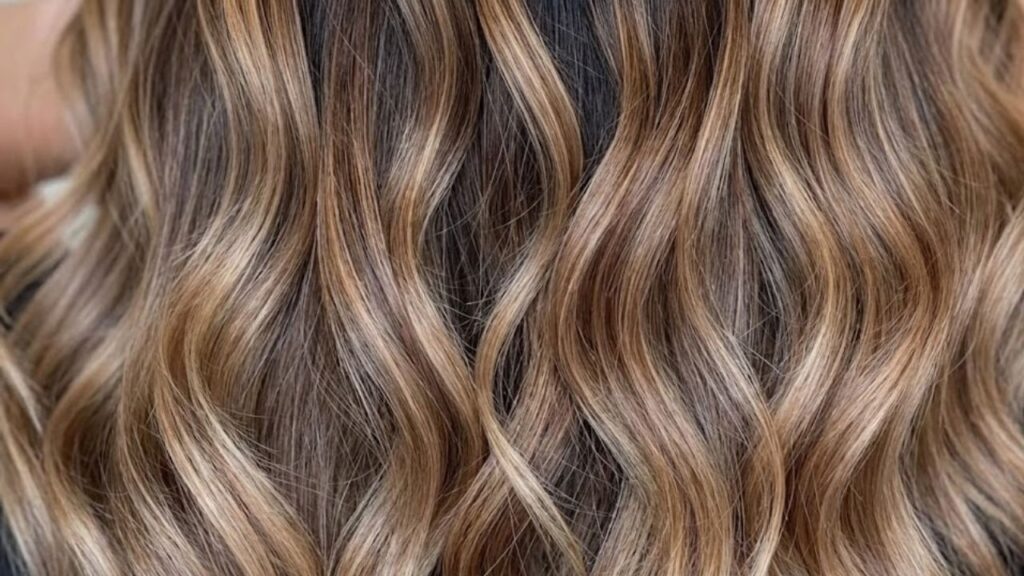
Unlike balayage, which often relies on contrasting highlights and can leave visible regrowth lines, hair melting focuses on seamless transitions. The gradual flow between shades mirrors the natural variation in hair, making it ideal for anyone who wants a refreshed look without constant touch-ups. Beyond covering gray, the technique enhances overall hair vitality and creates a more youthful, balanced appearance.
 Goodbye to Grey Hair: The Cheap Kitchen Ingredient Sparking Heated Debate Over Aging and Beauty
Blending Gray Gracefully with the Hair Melting Technique
Celebrated stylist Jill Buck has helped redefine how gray hair is approached by treating it as part of the overall aesthetic rather than something to conceal. Clients drawn to this method often have varying degrees of gray, commonly around 25% at the temples and hairline. Buck’s approach uses soft blending that complements the client’s skin tone, allowing gray strands to merge naturally with the surrounding colour.
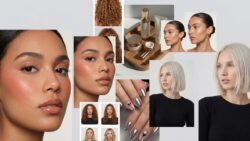
This method shifts the focus from hiding gray to working with natural hair patterns. By respecting the existing colour distribution, hair melting produces a harmonious result that feels intentional and polished, rather than forced or overly processed.
The Technique Behind Hair Melting
Hair melting relies less on heavy, uniform dyes and more on refining and blending existing shades. By carefully combining lighteners and toners, colourists create a smooth, cohesive finish that appears multidimensional. The result is a sense of depth that enhances natural beauty without the harsh effect of an all-over colour application.
The balance of warm and cool tones is selected with care to complement individual complexions. This thoughtful colour placement helps maintain a fresh, vibrant look while preserving the hair’s natural movement and texture.
Why Hair Melting Stands Out from Balayage
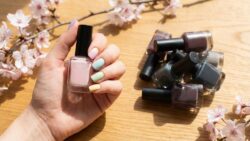
For those accustomed to traditional colouring methods, hair melting offers several clear advantages. One of the most appealing benefits is reduced maintenance. The softer grow-out minimises visible roots, making regrowth far less noticeable over time.
The technique also allows for highly customised results, with shades tailored to personal preferences and skin tones. The final look appears more natural, avoiding stark contrasts and instead reflecting the subtle variations found in untreated hair. Additionally, the process is generally less aggressive, which helps limit damage and supports healthier hair in the long run.
Helpful Tips for Trying the Hair Melting Trend
Anyone considering this approach should start by consulting a colourist experienced in advanced blending techniques. Professional guidance ensures the selected shades enhance individual features and natural tones.
- Use colour-safe shampoos, such as purple or balancing formulas, to maintain tone and vibrancy.
- Plan salon visits every three to four months to refresh the look while allowing natural growth.
- Focus on hair care routines that support moisture and strength to prolong the colour’s finish.
The Future of Gray Coverage
As beauty trends continue to evolve, the growing popularity of hair melting reflects a broader shift toward embracing natural beauty. Gray hair is no longer something to hide, but an element that can be blended thoughtfully and stylishly. This technique combines practicality with elegance, offering a solution that enhances confidence while celebrating one’s natural appearance.