
Hobbies can be deeply enjoyable while also boosting self-esteem. Gentle, calming activities like scrapbooking, journaling, or yoga can be just as powerful for confidence as high-energy pursuits such as dancing, rock climbing, or martial arts. What matters most is intentionally setting aside time where you can focus on yourself without distractions or expectations.
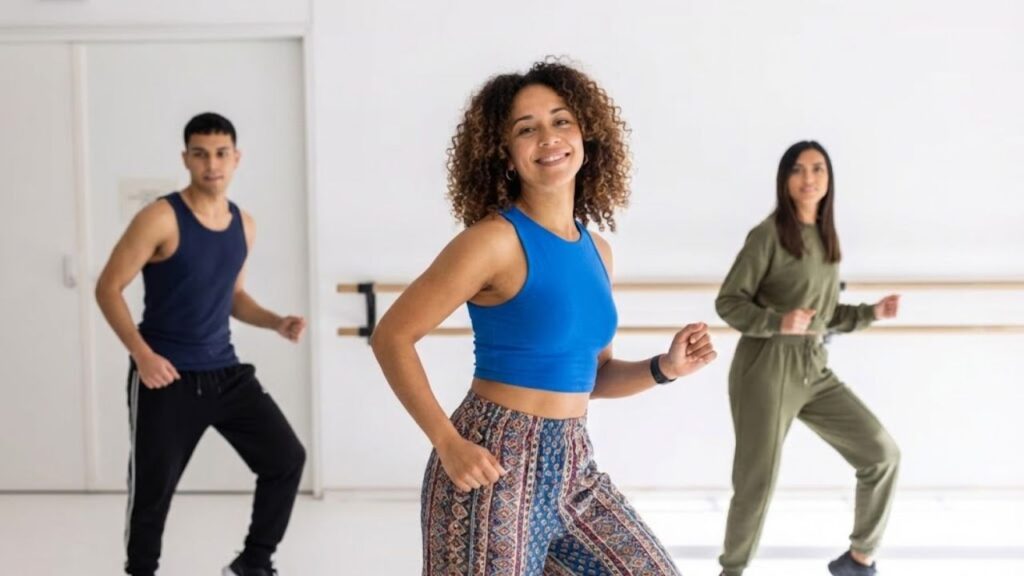
Starting something new doesn’t have to feel intimidating. In fact, embracing a new hobby can help you feel braver and more secure in other areas of life. The confidence shift doesn’t come from perfecting a skill or turning it into another achievement. Instead, it grows from reconnecting with parts of yourself that exist beyond productivity, goals, and performance.
 Say Goodbye to Your Old Power Strips: Why This 2026 Innovation Is Dividing Homes Everywhere
Hobbies as Restorative, Not Indulgent
“Many women link their self-worth to productivity, which can make hobbies feel indulgent or unnecessary,” explains Chloë Bean, LMFT, who specializes in somatic, trauma-informed therapy. “From a nervous system standpoint, though, hobbies aren’t optional extras—they’re restorative and essential for long-term wellbeing. They help move us out of constant performance mode and back into play, curiosity, and emotional balance.”

You don’t need long stretches of free time to feel the benefits. Even a few minutes spent on something purely for yourself can create a meaningful shift. “When activities aren’t tied to output or approval, you’re making space for yourself,” says Bean. “That often leads to greater confidence, reduced anxiety, stronger boundaries, and a clearer sense of self.”
The Overlooked Power of Leisure
Jillian Amodio, LMSW, therapist, psychology professor, and founder of Moms for Mental Health, highlights that hobbies nurture an often-neglected area of wellbeing: leisure. She frequently encourages clients to explore new hobbies to improve quality of life and ease stress. “Hobbies play a major role in helping us feel connected, build meaningful relationships, and strengthen self-worth,” she says.
While confidence can grow from almost any activity, experts often point to certain hobbies as especially supportive.
Yoga: Building Confidence Through Mind-Body Connection
If you’ve ever held Warrior or Goddess pose for more than a moment, you know yoga challenges more than just muscles. A consistent practice builds mindfulness, which can quiet mental spirals and sharpen focus. This sense of calm naturally supports confidence, while the mind-body connection helps you feel grounded and in tune with yourself.
An added benefit you might not expect is improved posture. Research shows that better posture can increase confidence in your thoughts and decisions, meaning even a short yoga flow can leave you feeling more centered and poised.
Crafting: Finding Calm Through Creativity
Creating art naturally pulls you into a state of deep focus, often referred to as “flow”, which helps calm the nervous system, explains Alison McKleroy, MA, LMFT, an art therapist and author of The Self-Compassion Journal. This calm state clears mental clutter, making it easier to feel present and self-assured.
 Best Cleansing Balms for All Skin Types How They Work Key Ingredients and Proper Usage Tips
“When you’re immersed in creating, your breathing slows, muscles relax, and stress hormones decrease,” says McKleroy. Repetitive crafts like knitting or stitching can feel especially soothing, while expressive outlets such as painting or drawing help emotions move through the body instead of staying stuck.
Dancing: Confidence Through Movement
Whether it’s a spontaneous dance in your kitchen or a structured class, dancing has a way of making you feel more alive—and more confident. Movement releases endorphins, the brain’s feel-good chemicals, so initial self-consciousness often fades quickly. Research shows that people who dance tend to experience less body-related anxiety and higher physical self-esteem, with particularly strong benefits for women.
“Moving your body is essential for both physical and emotional health,” says Amodio. “It supports a positive body image, reduces stress, and opens doors to new social connections.”
Scrapbooking: Reframing Memories to Boost Self-Worth
Our minds are often quick to replay past mistakes while overlooking joyful moments. Scrapbooking offers a tactile, creative way to revisit positive memories and remind yourself of how much you’ve experienced and accomplished—an uplifting confidence boost.
If traditional scrapbooking feels overwhelming, McKleroy suggests starting with collage. “Exploring images, textures, and visual elements takes the pressure off creating from scratch,” she says. Photography works in a similar way, training you to notice beauty around you and trust your own perspective.
Walking: Simple Movement With Powerful Effects
Walking may seem simple, but it offers a gentle way to reconnect with your body and surroundings. Regular walks support mental clarity, stress relief, and a steady sense of wellbeing, making it easier to feel confident and grounded in everyday life.