
Cables twisted together, adapters hanging over the edge, and one outlet that feels strangely warm. When Maya’s toddler crawled closer and reached for a dangling charger, she froze. In that instant, the old surge protector no longer felt safe or reliable.
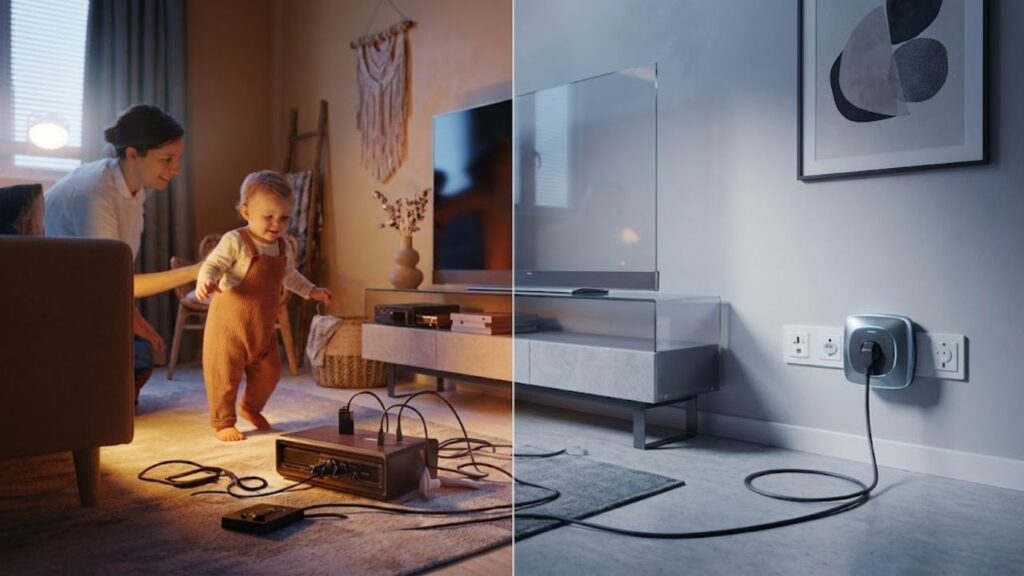
Moments like this explain why a quiet shift in home electrics is building toward 2026. A new wave of smart power rails and near-invisible sockets is preparing to enter everyday homes. Some homeowners imagine smooth walls, app-controlled outlets, and automatic power shut-offs. Renters, meanwhile, are wary of anything involving drilling, rewiring, or landlord approval.

One thing is obvious: the familiar plastic power strip is running out of time.
 Best Cleansing Balms for All Skin Types How They Work Key Ingredients and Proper Usage Tips
Why 2026 marks the end of the old power strip
Step into a modern show home and you may notice what’s missing. There’s no bulky white strip hiding in a corner. Instead, slim rails blend into skirting boards, USB-C ports sit neatly in walls, and shelves charge phones wirelessly the moment they’re set down. Electricians refer to this as distributed power, but to residents it simply feels like less clutter.
Manufacturers see 2026 as a turning point. Rules on standby energy, fire safety, and USB-C standards are aligning. Daily habits are shifting too. Homes now juggle air fryers, multiple monitors, gaming PCs, robot vacuums, and heat pumps. Traditional strips were never designed for this load. New systems are.
Sales trends already show the change. Across Europe and North America, smart rails and recessed socket panels are climbing fast, while basic strips stagnate. In renovated kitchens, more than half of buyers now choose integrated rails. In rental-heavy cities, demand leans toward slim, non-permanent clip-on rails that avoid structural changes.
Homeowners dominate the premium market with features like scheduled power cuts and per-device energy tracking. Renters look for portability and reversibility, choosing solutions that leave no trace when they move. Same technology, very different needs.
The contrast with old strips is stark. Traditional models are cheap, passive, and blind. They don’t know what’s plugged in, how hot they’re running, or which outlet is overloaded. The 2026 generation works the opposite way, monitoring temperature and current per socket, communicating with apps, and cutting power when charging is complete. With energy costs rising and insurers increasingly cautious, the old plastic bar looks like a weak link.
How modern power rails change everyday life
The biggest difference is placement. Instead of one drooping strip under a desk, a slim rail runs along the back edge, with sockets that slide exactly where needed. Monitors, laptops, and lamps plug in without stretched cables or dangling bricks.
Living rooms are changing too. Recessed floor boxes and low-profile wall panels replace tangled extension cords. Many 2026 models include USB-C power delivery capable of charging laptops directly, removing bulky adapters. Child-lock modes can disable sockets instantly, offering peace of mind to parents.
What sounds luxurious often becomes personal. Long-used strips carry habits and compromises built up over years. Yet statistics show how risky those habits are. Surveys reveal that many households still chain multiple power strips together, despite safety warnings. Smart rails meet the same need for extra outlets but add segment-level overload protection and improved heat control.
Renters are pushing innovation from another angle. Portable desk rails that clamp on or stick temporarily allow people to carry their power setup from one home to the next. This demand for modular, reversible gear is shaping what reaches mainstream shelves.

Behind the clean design is a practical shift. Each rail contains sensors and controllers that track real-time load. Spikes from a gaming PC are detected. Appliances left drawing power too long can trigger alerts or shutoffs. This logic comes from offices and data centres, scaled down for homes.
Many systems divide outlets into zones: work, rest, night. Standby power can be truly cut, not just switched off at a tiny rocker. Insurers are watching closely, with some testing discounts for certified smart rails in high-load areas. As this spreads, old habits may start to look careless rather than quaint.
Owners and renters face different choices
For homeowners, the cleanest upgrade comes during renovation. Electricians now suggest power rails much like underfloor heating: invisible once installed but hard to live without. Skirting-level tracks, continuous rails behind TVs, pop-up kitchen modules, and recessed office boxes can eliminate separate strips entirely.
The planning is simple but important. Mapping daily routines reveals where power is actually needed. Concentrating sockets in those zones reduces clutter and extension cords. Involving the people who live there makes the result far more practical.
Renters must think differently. High-quality surface-mounted rails that clamp or adhere without damage are key. These can run along desks, shelves, or baseboards and be removed cleanly at move-out. Desks are often the first upgrade, replacing floor-level strips with accessible rails that keep cables off carpets.
Common mistakes include paying for features that won’t be used, or upgrading one visible area while leaving an overloaded strip hidden elsewhere. Landlord concerns also play a role, as tenants fear being accused of altering electrics even with non-invasive gear.
Learning to live with the “smart” side is another adjustment. Some people ignore detailed energy graphs after initial setup. Others find them revealing. Small insights, like seeing how much standby power a TV area consumes, can quietly justify the upgrade.
- Start with one high-load zone, such as a desk or TV area.
- Choose models rated for local voltage with proper surge and overload protection.
- In rentals, use clamp-on or adhesive systems that leave no marks.
- Set basic safety limits once and ignore extra data if it’s distracting.
The deeper debate hidden in the sockets
Power hardware rarely sparks conversation, yet this shift touches something deeper. It raises questions about who shapes a home’s invisible structure and how much risk people tolerate for convenience. Many have experienced flickering lights or the faint smell of overheated plastic and promised to upgrade “one day”.
The 2026 generation of power rails turns that promise into a clear decision. Keep the familiar strip with its quiet risks, or switch to a system designed to reduce them without constant attention. Some will reject connected sockets outright. Others will welcome the control and calm lines they bring.
What’s certain is that the overloaded, dust-covered strip humming behind the TV is nearing its end. Whether you rent or own, the question appears in small moments: at the store shelf, in an electrician’s quote, or on an energy bill. Upgrade now, or wait for the reminder that the future of the home often begins at the socket.

| Key point | Details | Why it matters to readers |
|---|---|---|
| Smart rails cut “always on” energy use | Most 2026 power rails let you group sockets into zones and schedule them to turn off fully at night, killing standby loads from TVs, consoles and chargers. | Can shave 5–15% off household electricity use in gadget‑heavy homes, without changing day‑to‑day habits. |
| Per‑socket overload and heat protection | New rails monitor current and temperature on each outlet, tripping that single socket instead of the whole strip when something overheats or draws too much. | Reduces fire risk compared with old strips that rely on one basic fuse for the entire bar. |
| Owner installs vs renter‑friendly options | Homeowners can integrate rails into walls, skirting and furniture during renovations, while renters rely on clamp‑on or adhesive models that leave no marks. | Helps readers pick solutions that suit their legal and financial reality, not just the glossy showroom version. |
