
Mary, 74, wears a soft cardigan over her shoulders, her eyes still bright, and places her bag down as if already negotiating with her body for the day ahead. Her fitness tracker proudly shows her “10,000 steps,” yet she laughs softly as she admits she struggles to rise from a chair without gripping the table. At the gym, she was offered a so-called “senior program” filled with shiny machines—too heavy, too complex, too impersonal. So she sticks to the treadmill, again and again. Still, when a pot slips to the floor, her knees protest more than after forty minutes of walking. Something feels off. And it’s not just about counting steps.
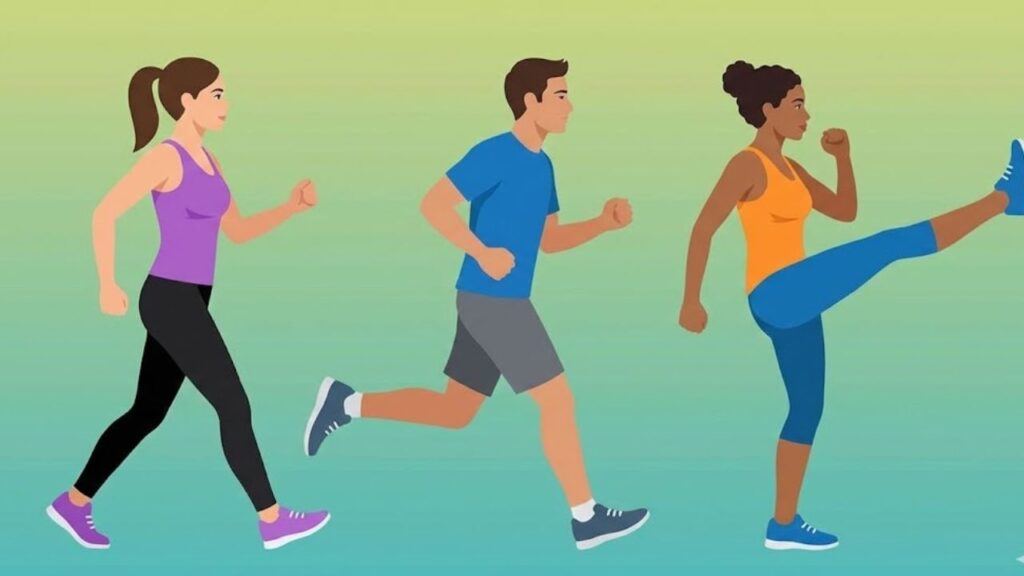
After 70, the Body Needs the Right Movements, Not More Exercise
After 70, the body follows different rules. You can walk daily or visit the gym twice a week and still feel unexpectedly fragile while sorting laundry or stepping off a curb. That’s because most traditional exercise overlooks what truly shapes daily life: how joints, muscles, and reflexes work together in real time. The movement that truly supports long-term health at this age is not about breaking a sweat. It’s about patterns—how the body coordinates itself in everyday situations.
 Goodbye Hair Dyes New Grey-Cover Trend Is Everywhere - The “Younger Look” Claim Has People Split
Longevity researchers now speak less about “fitness” and more about maintaining capacity. Can you rise from the floor without help? Turn to check behind you while driving? Regain balance if you trip on a rug? These small moments matter more than any stationary bike session. They all rely on one essential skill: coordinated, multi-directional movement that keeps the nervous system alert and responsive.

The Integrated Movement Pattern That Changes Everything
The movement pattern that truly matters after 70 is not the daily walk or a rigid gym routine. It’s what many physiotherapists call integrated movement practice: short, regular bursts of bending, reaching, turning, stepping, and rising, woven naturally into the day. Think of it as teaching the body a practical choreography of real life. It isn’t elegant or social-media friendly—but it is deeply useful.
In a modest community hall one Tuesday morning, a small group aged 71 to 89 moves slowly in a loose circle. There are no mirrors, no performance outfits, just chairs against the wall and quiet music in the background. The instructor doesn’t speak of workouts. She talks about stepping off a bus safely or lifting a grandchild without back pain. Each movement mirrors daily life, broken down and practiced until it feels familiar again.
Why These Small Movements Make a Big Difference
Participants practice stepping sideways and backward, not just forward like on a treadmill. They sit and stand from chairs of different heights, arms crossed over their chests. They rehearse reaching high cupboards and low drawers, sometimes holding a small weight, sometimes just a water bottle. After eight weeks, they aren’t dramatically “fitter” on paper. Yet several report fewer near-falls. Some can kneel in the garden again. One man, 82, quietly shares that he can now rise from the floor alone—for the first time in years.
The science behind this is simple. Straight-line walking or cycling is repetitive and predictable, allowing the brain to drift into autopilot. Integrated movement demands constant adjustment: ankles react, hips rotate, eyes scan, hands search for balance. This trains the nervous system and stabilizing muscles together. That’s why someone who walks thousands of steps daily may still fall at home, while another who practices controlled turns and chair squats remains steady. After 70, health is less about cardio and more about being adaptable rather than brittle.
How to Practice These Movements in Daily Life
The pattern itself is simple: three short sessions a day, about five minutes each, of multi-directional functional movements. No special clothes or equipment required. Morning can focus on gentle wake-up movements—slow sit-to-stands, ankle circles, supported heel raises. Midday is ideal for reaching and turning—touching high and low points on a wall, rotating as if checking behind a car seat. Evening can include practicing safe “down and up” movements, adjusted to personal ability.
The key is not perfection but consistency. Over time, these brief sessions teach the joints that movement in many directions is normal, not a threat. Instead of following a strict program, people naturally weave these actions into daily habits—standing up mindfully from the sofa, balancing while the kettle boils, practicing getting up from the floor once or twice a week with support.
 Say Goodbye to Gray Hair With a 2-Ingredient Homemade Mix That Covers Quickly Without Salon Costs
From Fear to Confidence: Real-Life Results
Fear often holds people back after 70—fear of falling, of looking awkward, of doing something wrong. Many stick to walking because it feels safe and familiar, while avoiding other movements. Others try too much too soon and end up sore and discouraged. The truth is that the movement is rarely the problem; it’s the dosage. Integrated movement should feel gently challenging, never frightening, and should leave you feeling more alert, not exhausted.
Using everyday supports like chairs, tables, and walls is not a sign of weakness—it’s smart training. Talking openly about these practices also matters. Saying, “I’m practicing getting off the floor so I can keep playing with my grandchildren,” reframes the effort from decline to preparation. That shift alone keeps many people going.
A Simple Template That Supports Independence
Experienced physiotherapists often start with a modest routine focused on real-world goals. A practical foundation includes:
- 5–8 slow sit-to-stands daily, broken into small sets
- Side-stepping along a wall or counter for 20–30 seconds
- Reaching high and low on a wall, several times per side
- One safe “down and up” practice once or twice a week
Each movement must feel stable and connect to something meaningful—climbing bus steps, gardening, lifting laundry. Without that personal link, exercises become chores. With it, they become preparation for a life you’re not ready to give up.
Living Longer Is One Thing—Moving Freely Is Another
Modern medicine can extend life, but it cannot replace the confidence of turning quickly when someone calls your name or kneeling beside a grandchild without hesitation. That confidence is earned through repeating small, slightly awkward movements until the body no longer treats them as danger.
The most important movement pattern after 70 doesn’t look impressive. It looks like standing up and sitting down before leaving the table, slowly turning at a bus stop, or taking an extra minute in the hallway to feel each step. On paper, it seems insignificant. In real life, it’s the foundation of independence.
Turning Everyday Moments Into Training Opportunities
The real question isn’t whether walking or gym visits should continue—they can. The question is where, in everyday life, you can quietly rehearse bending, turning, stepping, and rising. Which chair becomes your training partner? Which small success will you share with a friend? Healthspan isn’t reserved for experts. It’s shaped in five-minute pockets between daily tasks, guided by how you choose to move today.

- Build chair strength: Practice rising from a chair without using your hands to support daily independence.
- Add sideways movement: Side-stepping trains balance in the directions where most falls occur.
- Practice safe “down and up” motions: Reduces fear and supports activities like gardening or floor play.
- Link movement to habits: Attaching actions to routines makes them sustainable and automatic.
