
For years, tight hips quietly shaped how I moved, sat, and even slept, until discomfort became impossible to ignore. In the United States, long hours of sitting, commuting, and screen time have made hip stiffness a common issue for adults of all ages. This article shares a personal yet practical experience of how one simple daily stretch helped ease tension, restore mobility, and improve everyday comfort. Rather than quick fixes, the focus is on gradual change, consistency, and listening to the body while building healthier movement habits.
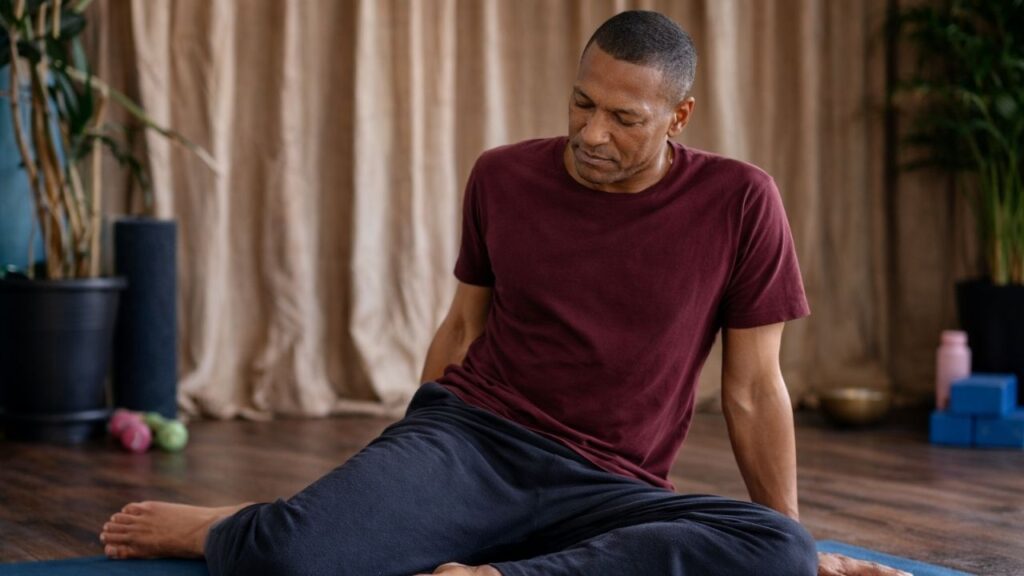
Living With Tight Hips Every Day
Before starting any routine, daily life revolved around managing discomfort. Simple tasks like standing up or tying shoes felt harder than they should. The tightness wasn’t dramatic pain, but a constant sense of restriction that affected posture and mood. Long sitting hours led to constant hip stiffness, while walking felt less fluid due to restricted movement patterns. Over time, this created lower body imbalance and noticeable posture-related discomfort. Ignoring it only made things worse, highlighting how tight hips can quietly influence energy levels, confidence, and overall physical ease without obvious warning signs.

The Daily Stretch That Helped Tight Hips
The turning point came from committing to one simple stretch performed daily, without rushing or forcing progress. The goal wasn’t flexibility overnight, but patience and awareness. This stretch gently targeted deep hip muscles, encouraged controlled breathing focus, and promoted gentle range expansion. Within weeks, movements felt smoother, and stiffness eased after long sitting periods. The real benefit came from consistency, allowing the body to adapt naturally while rebuilding joint comfort balance without strain or aggressive effort.

Mobility and Comfort Improvements Over Time
Progress showed up gradually, often in subtle ways. Getting out of bed felt easier, walking strides lengthened, and sitting for long periods caused less tension. Improved hip mobility supported better movement flow, reduced daily stiffness buildup, and encouraged natural posture alignment. Over time, this led to improved comfort levels that carried through workouts and rest alike. The biggest lesson was that small, repeated actions can create meaningful physical change when practiced with care and consistency.
Why Consistency Matters for Tight Hips
Stretching works best when treated as a habit rather than a temporary fix. The body responds to repetition, not intensity, especially in areas like the hips that store tension from daily routines. By focusing on long-term mobility gains, maintaining realistic progress expectations, and honoring body adaptation time, sustainable results become possible. This approach builds trust with the body, supports lasting movement comfort, and reduces the risk of setbacks caused by overdoing it or quitting too soon.
| Aspect | Before Daily Stretch | After Consistent Practice |
|---|---|---|
| Hip Flexibility | Limited and stiff | Noticeably improved |
| Sitting Comfort | Frequent discomfort | More relaxed posture |
| Walking Movement | Restricted stride | Smoother motion |
| Overall Mobility | Low confidence | Increased ease |
| Daily Energy | Often drained | More consistent |
Frequently Asked Questions (FAQs)
1. How long did it take to feel improvement?
Noticeable changes began after a few weeks of consistent daily stretching.

2. Do tight hips come back if you stop stretching?
Yes, stiffness can return over time if regular movement and stretching stop.
3. Is one stretch really enough?
One well-chosen stretch can help significantly when done correctly and consistently.
4. Can beginners safely try daily hip stretches?
Most beginners can start gently, focusing on comfort rather than pushing limits.