
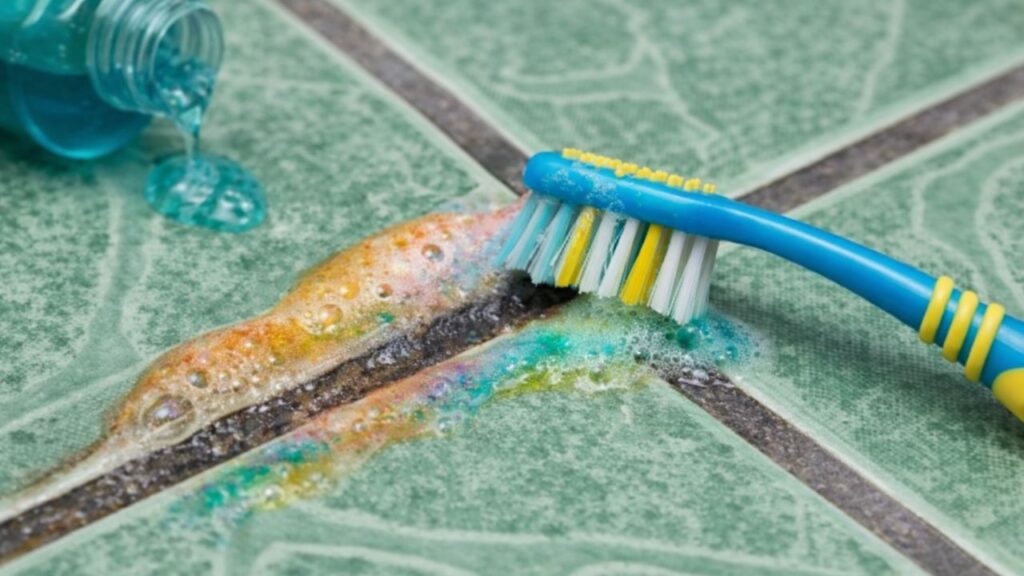
The tiles beneath your feet carry a quiet history. Over the years, they’ve absorbed wet footprints, muddy paw prints, spills from rushed breakfasts, and dust that settles after long days. Eventually, you might notice that what once gleamed now looks worn, and the grout lines that were once bright have darkened, giving the room a dull, lifeless feel. A swipe of your finger across a grout line leaves a gray streak. It’s not a huge problem, but it subtly makes your home feel less inviting. Harsh chemical cleaners with strong fumes seem as exhausting as the dirt itself. Fortunately, a few natural ingredients and some effort can restore brightness without hassle.
When Dullness Becomes Visible
It often starts with a single beam of light. The afternoon sun catches your kitchen floor, and suddenly every streak and speck stands out. Dull patches appear where there used to be a reflective shine. Grout lines look darker, absorbing light instead of reflecting it. Near the stove, faint rings from old spills emerge, and by the door, gritty trails from rainy shoes are noticeable. You hadn’t realized how dirt and grime accumulated gradually over time.
 Goodbye Hair Dye for Grey Hair: What to Add to Your Conditioner for Natural Colour Revival
The instinct to scrub immediately rises—but memories of chemical cleaners hold you back. The harsh smells, fogging sprays, and stinging air are unpleasant reminders. Instead, you want a gentler solution, something you can mix easily on your kitchen counter and use safely at home.

The Power of Simple, Natural Ingredients
Natural cleaning can be just as effective as chemicals. The trick is pairing the right ingredients with warm water and a soft brush, giving them time to work. Most are already in your home, easily accessible in the pantry or under the sink. While natural substances may act slower than harsh chemicals, they effectively remove grime without toxic fumes, leaving a safe environment for your family and pets.
Baking Soda: Gentle Yet Effective
Baking soda has a soft, powdery texture with a hint of grit. It works as a mild abrasive on tiles and grout, lifting dirt and grime without damaging the surface. Instead of stripping away material, it gently cleans and restores the original look.
Vinegar: Sharp and Efficient
Vinegar has a strong, distinctive smell and works efficiently for cleaning. Mixed with warm water, it dissolves soap scum, water spots, and daily buildup that dull tiles. On grout lines, combining vinegar with baking soda creates a fizzing reaction that pulls dirt from tight spaces. It’s a simple yet powerful way to clean without harsh chemicals.
Lemon, Soap, and Salt: The Supporting Team
Lemon juice adds a fresh scent while its natural acids break down stains and mineral deposits. Castile or gentle dish soap spreads the mixture easily and removes greasy spots, while a pinch of fine salt boosts scrubbing power for tougher marks. These ingredients work together to refresh both your tiles and the room’s atmosphere.
A Simple Routine to Restore Tile Shine
With open windows, soft light, a basin of warm water, and a few natural ingredients at hand, restoring tile shine is easy and satisfying. It’s about caring for a surface that has quietly served you over the years.

Step 1: Clear, Sweep, and Prepare
Move chairs, rugs, and small items to get a full view of every tile and grout line. Sweep slowly and methodically, listening to the gentle sound of bristles lifting dust and crumbs. A dry mop over the surface can make the space feel instantly lighter and more organized.
Step 2: Focus on Grout Revival
Speed doesn’t mean aggression. Quick, natural methods can deliver visible results in an afternoon without harsh smells. The secret is understanding what your tiles and grout need. Many assume chemicals are the only solution—but gentle ingredients can achieve similar results.
Step 2: Mix a Quick Everyday Tile-Shine Solution
| Ingredient | Amount | Purpose |
|---|---|---|
| Warm water | 2 liters (about 8 cups) | Base for dissolving dirt and spreading cleaner |
| White vinegar* | 1/2 cup | Cuts residue, restores shine |
| Liquid castile or mild dish soap | 1–2 teaspoons | Lifts grease and everyday grime |
| Optional: a few drops of essential oil | 3–5 drops | Adds a gentle, pleasant scent |
Step 3: Match Cleaning Method to Tile Type
- Ceramic and Porcelain: Safe to clean with vinegar-water solutions, baking soda paste, or mild soap.
- Natural Stone (marble, slate, travertine, limestone): Avoid acids like vinegar and lemon. Use warm water with mild, pH-neutral soap and soft microfiber tools.
- Glazed vs. Unglazed: Glazed tiles have protective coatings; unglazed are porous. Avoid harsh scrubbing and rinse thoroughly.
- Always test on a hidden area first to prevent damage.
Maintaining the Shine with Gentle Habits
Once tiles gleam and grout is clean, light bounces more freely, colors appear brighter, and the room feels alive. Regular, small habits keep floors in top shape without exhaustive scrubbing:
- Place doormats at entrances to stop dirt from spreading.
- Use a dry mop or soft broom to lift dust before it settles in grout.
- Wipe spills immediately to prevent stains.
- Light weekly mopping with warm water and mild soap is usually sufficient.
- Use vinegar only when buildup appears.
- Keep windows open for fresh air and faster drying.
Step 4: Hand Buff for a Soft Finish
After cleaning, lightly buff tiles with a dry microfiber cloth or flat mop. This removes residual moisture and streaks, leaving a soft, reflective surface. Light dances across the floor, creating a room that feels brighter, larger, and more inviting.
Cleaning as a Connection with Your Home
Restoring tile shine isn’t just aesthetic—it’s a way to reconnect with the surfaces that support daily life. Kneeling, scrubbing, and rinsing brings awareness to past spills, muddy seasons, and everyday moments. Natural methods allow this process to be safe and soothing, without chemical fumes or harsh residues. In an afternoon, even a small area can look dramatically better. Grout lines become crisp, tiles gleam, and sunlight reflects beautifully once more. You’re not just cleaning—you’re returning a piece of your home to its natural brightness.