
Strength training is one of the most effective, science-backed ways to support your body as the years go by. It can genuinely change the long-term direction of your health. Starting earlier allows more time to build resilience, but meaningful benefits still exist whether you began lifting weights in your youth or discovered it later in life.
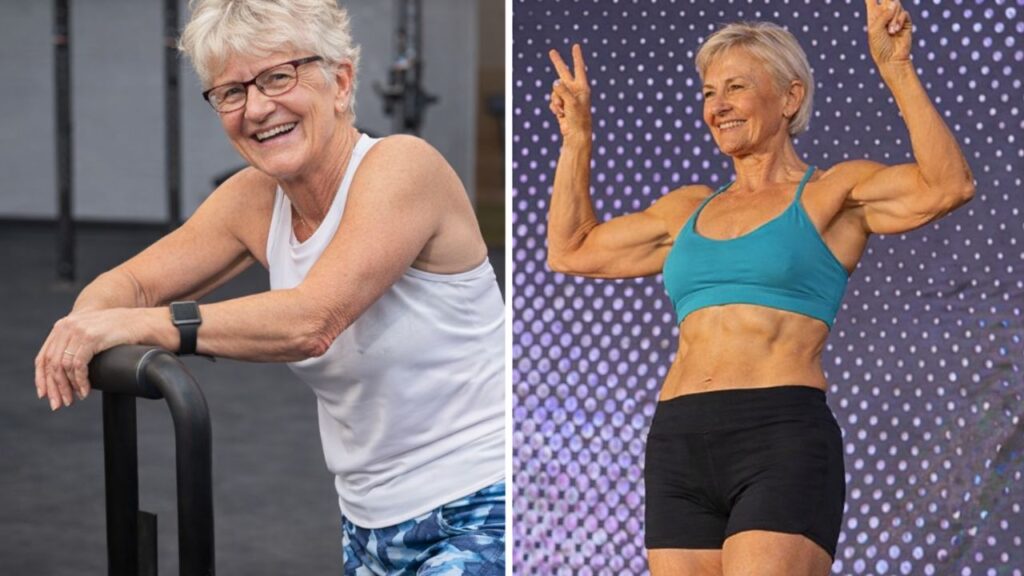
If you’re starting strength training in your 40s, this marks an important and positive step forward. Weightlifting at this stage can help slow age-related muscle decline, supporting a better quality of life well into older age.

“As we get older, we naturally lose muscle unless we actively work to prevent it,” explains personal trainer Leah Georges. This process, known as sarcopenia, can make everyday movements like climbing stairs or standing up more difficult and increases the risk of falls and injuries. “Strength training is a proven way to stop muscle loss and can even reverse it.”

What the Research Shows
Scientific evidence strongly supports this. A study published in the Archives of Gerontology and Geriatrics found resistance training to be a highly effective intervention for older adults with sarcopenia, significantly improving both muscle strength and muscle mass. It remains one of the most powerful tools available for protecting wellbeing later in life.
“Strength training in your 40s isn’t about recreating your body from your 30s,” says fitness coach and Owning Your Menopause founder Kate Rowe-Ham. “It’s about building a body that will support you for the next 30 years — strong, capable, independent and resilient.”
Getting Started with Strength Training in Your 40s
Everyone has different needs when it comes to training. Your programme should reflect your goals, physical limitations and preferences. If possible, working with a personal trainer — even briefly — can help you learn proper technique, train safely and build confidence from the start.
That said, Rowe-Ham highlights four essential movement patterns that everyone should include.
Beginner Strength Exercises to Prioritise
1. Squats
“Squats are life,” says Rowe-Ham. This movement builds functional strength for everyday actions like sitting down, standing up, climbing stairs and getting out of bed. Squats also strengthen the hips and knees while loading the bones through the pelvis and spine, which becomes increasingly important as bone density declines.
You don’t need complex variations to begin. Simply sitting back onto a chair and standing up with control is enough. Resistance can be added later using a dumbbell or kettlebell.
How to do it:
- Stand with feet about hip-width apart.
- Engage your core, bend your knees and push your hips back as if sitting on a chair.
- Lower until thighs are almost parallel to the floor, pause, then drive through your heels to stand.
2. Deadlifts
The deadlift is a hip hinge movement that targets the entire posterior chain. It strengthens the glutes and hamstrings, which play a key role in stability and injury prevention.
“Learning to hinge correctly — pushing the hips back, keeping the spine long and driving through the hips — strengthens the muscles that truly support your movement,” says Rowe-Ham.

How to do it:
- Stand with feet hip-width apart, holding a dumbbell in each hand, palms facing your thighs.
- With soft knees and a braced core, hinge at the hips and lower the weights toward mid-shin while keeping your back flat.
- Pause, then push through your heels to stand, squeezing your glutes at the top.
3. Push-Ups
Upper-body pushing strength often declines faster in women, yet it’s essential for shoulder health and everyday tasks such as lifting, pushing and carrying.
If standard push-ups feel too challenging, the movement can be modified by elevating your hands on a step or platform. The higher the surface, the easier the exercise becomes. Wall push-ups are also a suitable starting option.
How to do it:
- Start in a high plank with hands slightly wider than shoulder-width apart.
- Create a straight line from head to heels, engage your core and bend your elbows to lower your chest.
- Pause with elbows at about 45 degrees, then press back up to the start.
4. Rows
Rows are described by Rowe-Ham as an antidote to modern lifestyles. They strengthen the upper back, help counter rounded posture caused by desk work and phone use, and support shoulder stability.
Rows can be performed using barbells, dumbbells, kettlebells or machines. When training at home, everyday items like water bottles or tins can also be used to add resistance.
How to do it:
- Stand with feet hip-width apart, holding a dumbbell in each hand.
- Hinge at the hips until your torso reaches roughly a 45-degree angle, keeping your back flat.
- Brace your core and pull the weights toward your hips until elbows are level with your torso.
- Pause, then slowly lower the weights back down.
How Often Should You Strength Train in Your 40s?
When it comes to strength training in your 40s, more is not always better. The focus should be on high-quality sessions with good technique. According to Rowe-Ham, two to four sessions per week are enough to build and maintain strength without placing excessive stress on the body.
Progress should be gradual to reduce injury risk. “Muscles adapt relatively quickly, but tendons and ligaments take longer, especially during perimenopause,” she explains. Taking a steady, measured approach helps ensure long-term consistency and safety.